❋
Ægir could not feast until the kettle was fetched from the cold edge.
That is the law of this collection.
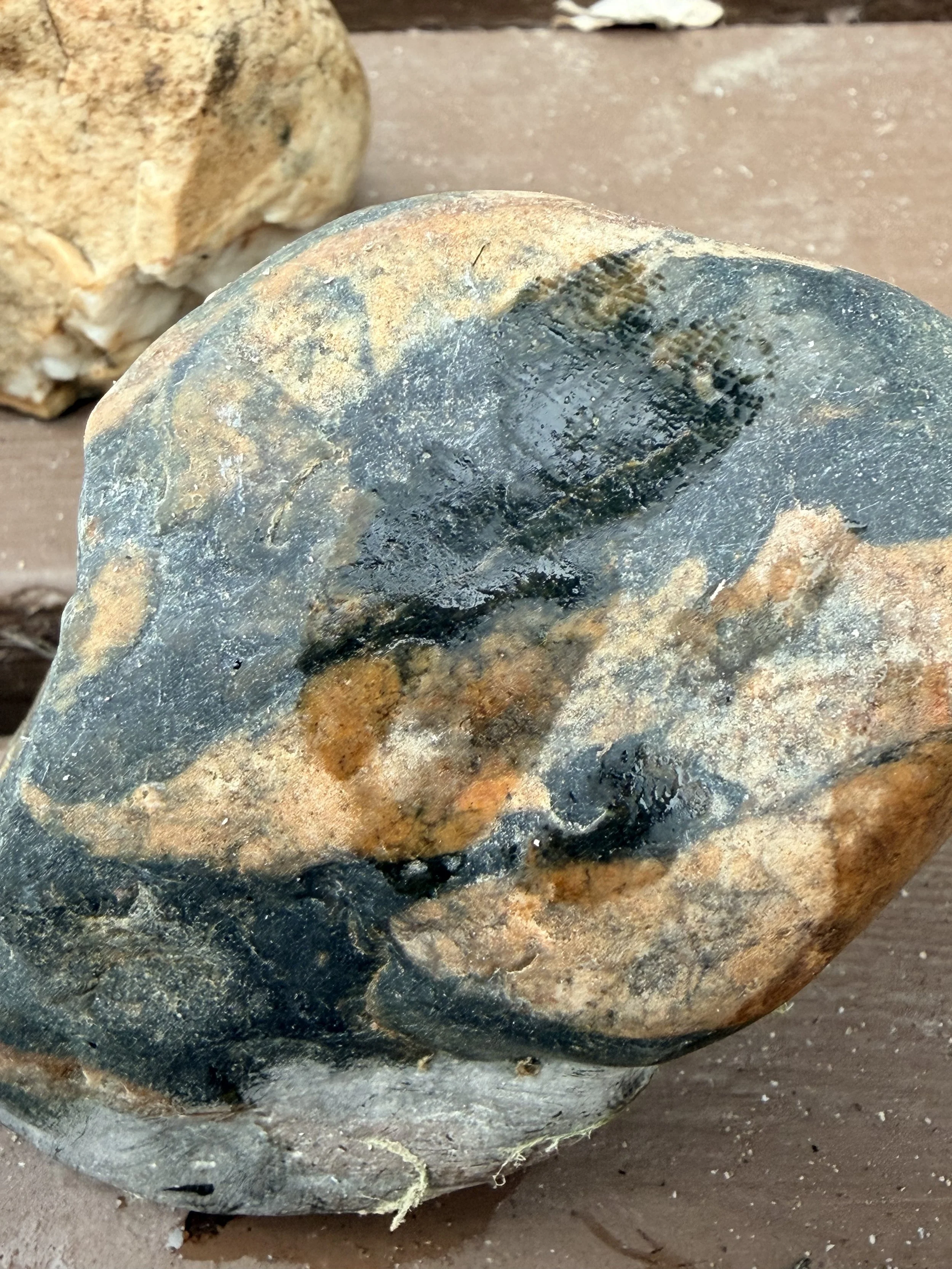
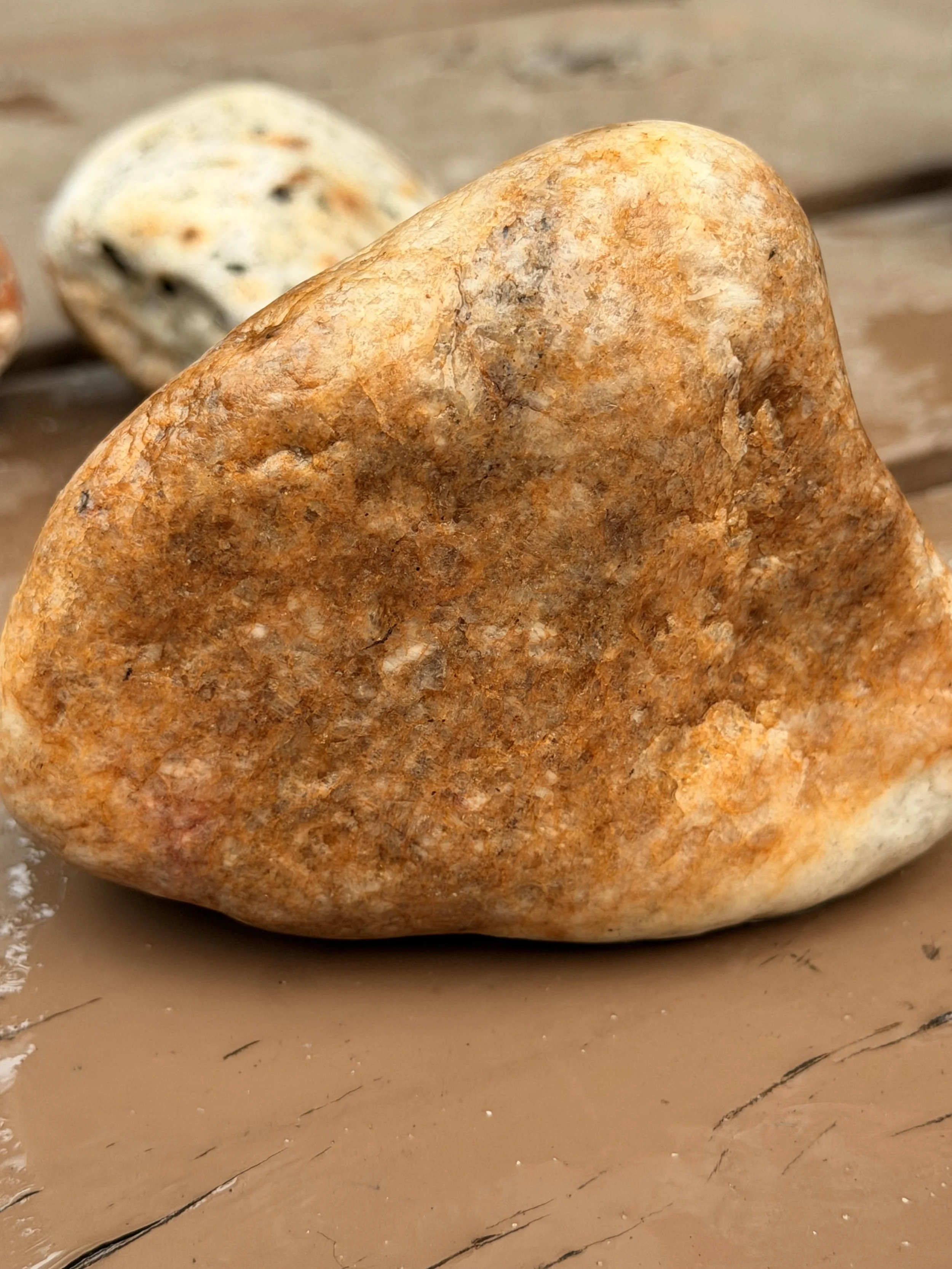
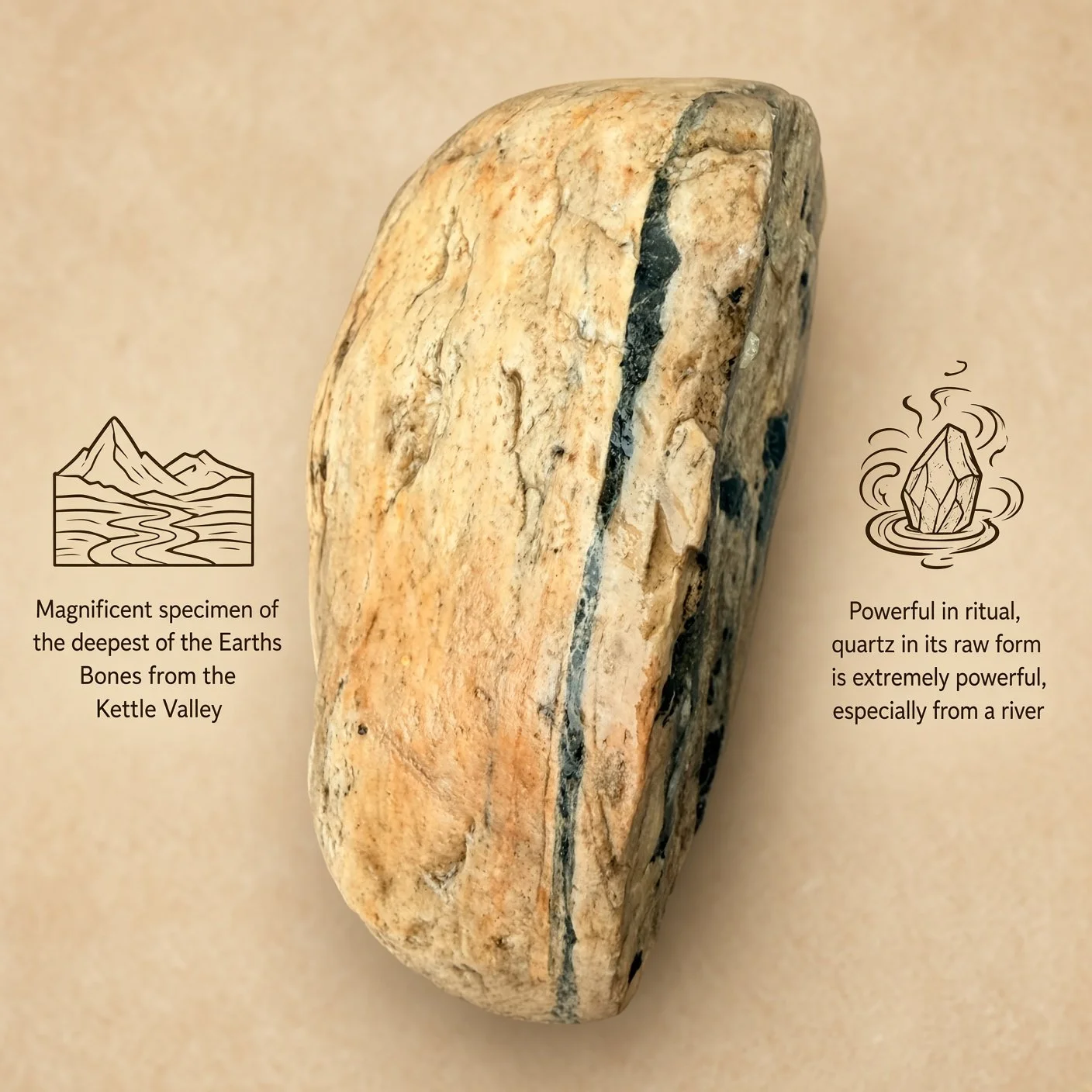
Grand Forks Bone collection; British Columbia, august 2026
These Bones were taken from the Kettle River at Grand Forks, British Columbia — nxʷyaʔłpítkʷ in the older name still spoken on this drainage — a free-running tributary of the Columbia. The water that shaped them travels south and east, joins the greater river, and goes on to the Pacific. A different watershed from the Island. The same ocean mothers at the end of the path.
The gravel in this reach is not ordinary bedload.
It is the wreckage of the Grand Forks Complex: a window of old North American crust that was buried, cooked, and then torn back to daylight. The sediments that became these gneisses and schists were already ancient — Proterozoic beds, some of them older than a billion years — laid on the edge of the continent. Later they were driven down until the pressure sat near six kilobars. That is on the order of twenty kilometres of rock overhead. Temperature at the peak ran seven hundred and fifty to eight hundred degrees. The mineral grammar of that depth is still in the stones: garnet, sillimanite, cordierite, K-feldspar, the banding of rocks that began to melt at their edges and did not quite finish dying.
Then the mountain belt let go.
Most of this first selection was gathered and later included in lunar workings, then bound in rootwork. They are not formal elected talismans unless a listing says so. They are still worked. They still carry the mage’s hand, the hour, and the offering.
The mage was born on this side of the water. She works it in the current she inherited from the North — Rán’s net, Ægir’s kettle, Freyja’s hall, the gold that curses a closed hand — because that is the mouth she was given. The river already had names and laws. Those are not worn here as jewellery. They are recognized. A river that feeds you is a host. A stone taken without offering is Andvari’s ring.
Each stone in this collection is offered under one of them. Read the piece. Meet the personality. If it is yours, you will know — because it will be offered to you.
The kettle is home. Brew.
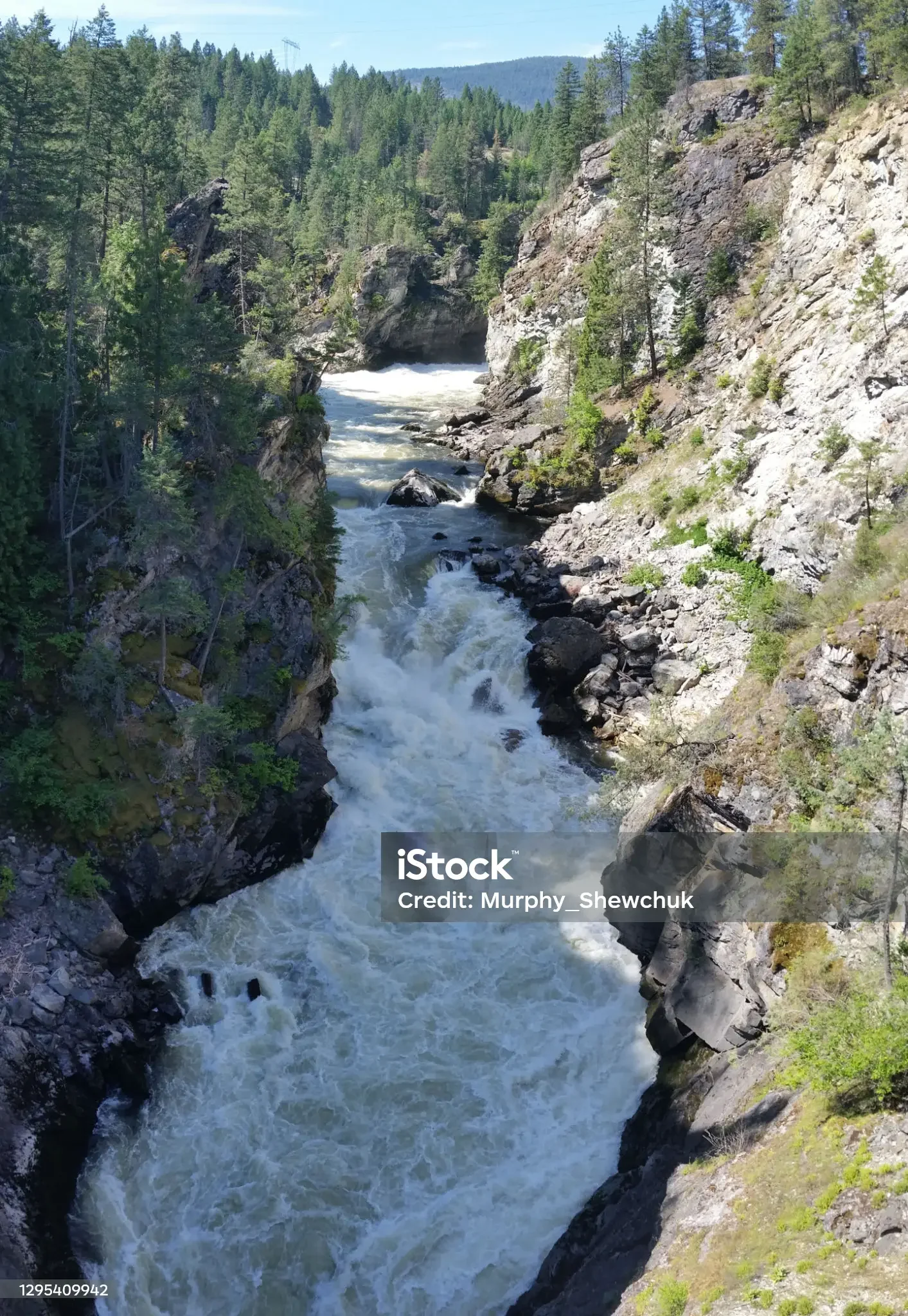
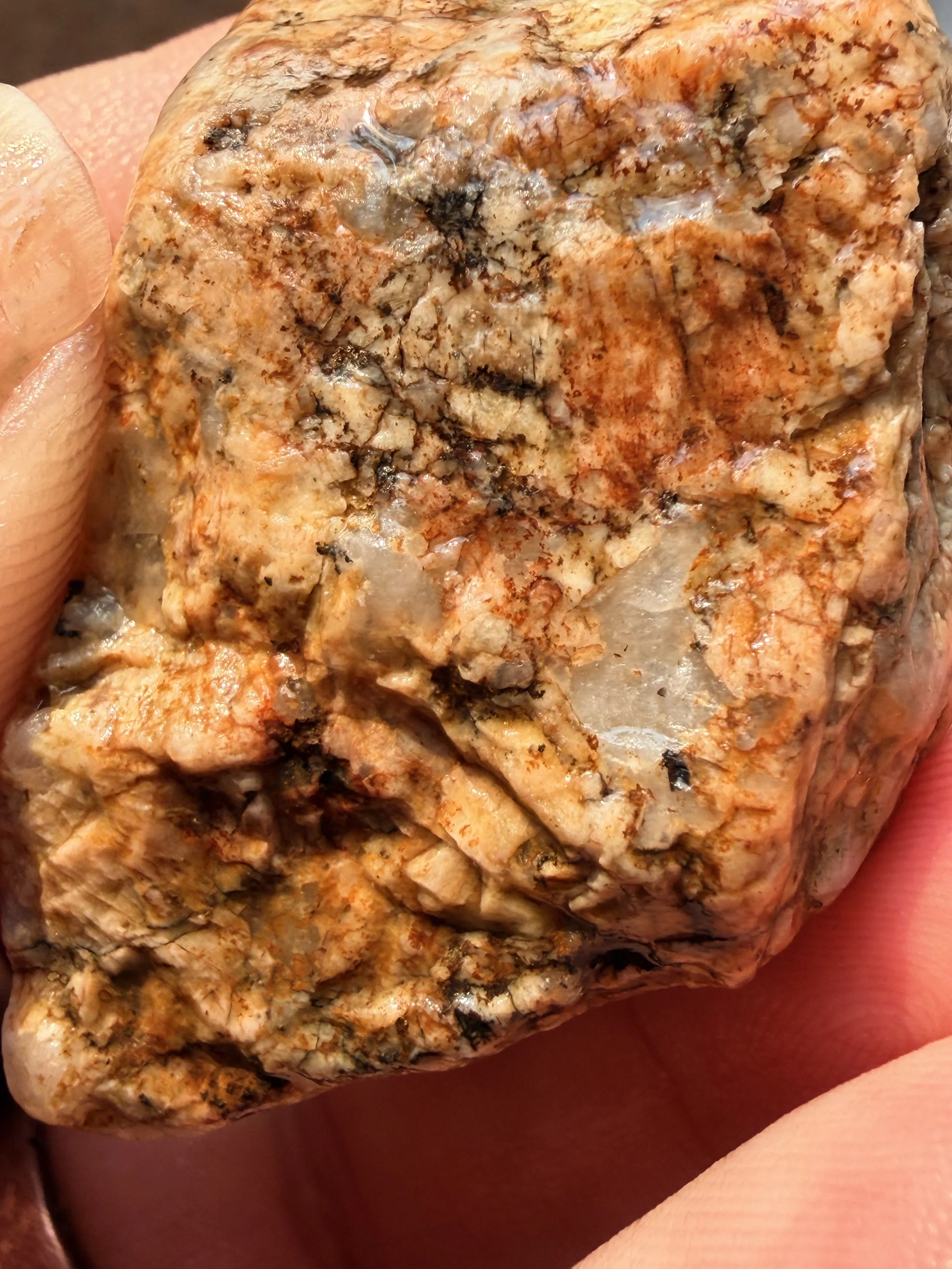
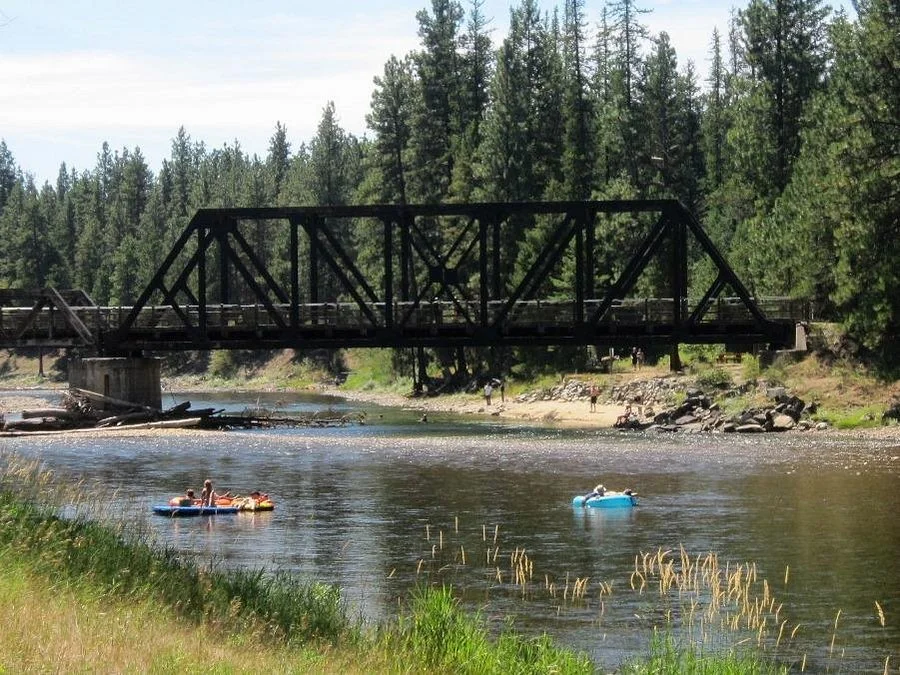
In the Eocene the crust extended. Two great normal faults opened the window — the Granby on the west, the Kettle River fault on the east. The high-grade core rose. The hanging wall, a different terrane and a cooler grade, slid down beside it. Ice and river finished the work the faults began. What you pick from the bar at Grand Forks is therefore not one rock type. It is a court:
gneiss and granite from the cooked core
quartzite and schist that remember bedding
amphibolite that was once a darker intrusion
serpentine and greenstone from the walls that failed beside the dome
jasper, hematite, sunstone, petrified wood — the river’s later jewellery, rolled until only what would last remained
The Complex is the bone. The river is the dressing. The mage’s hand is the third law.