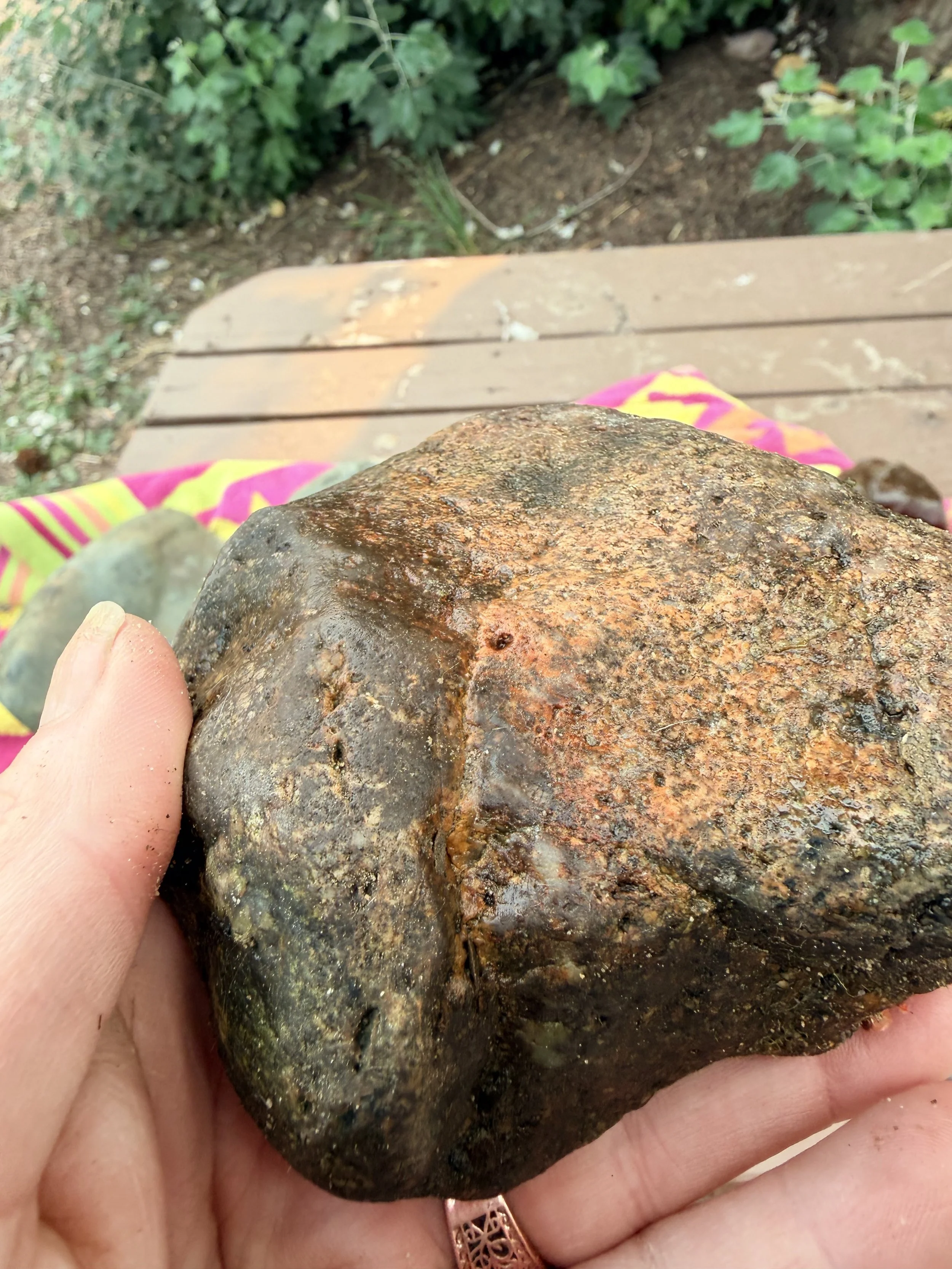
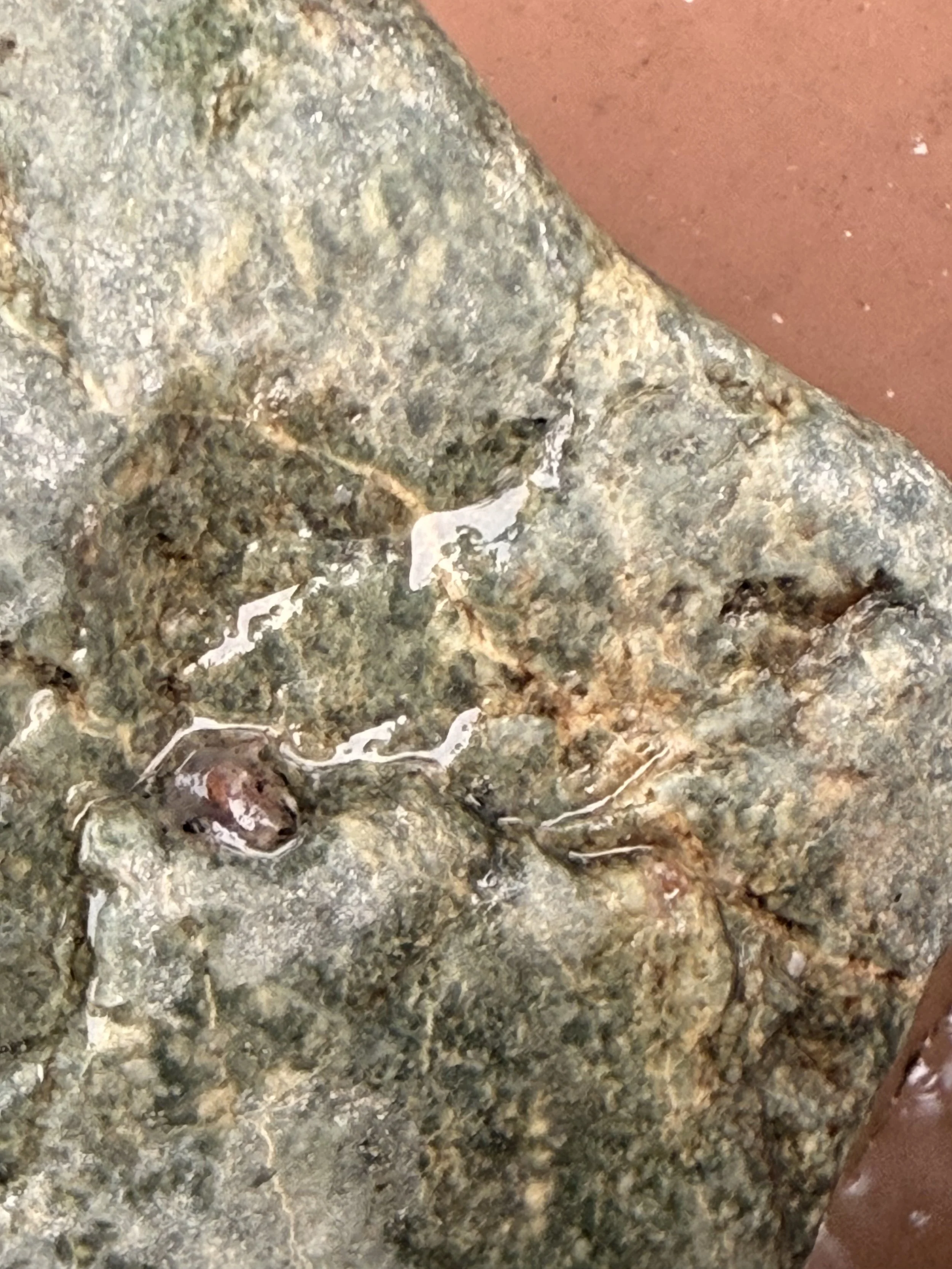
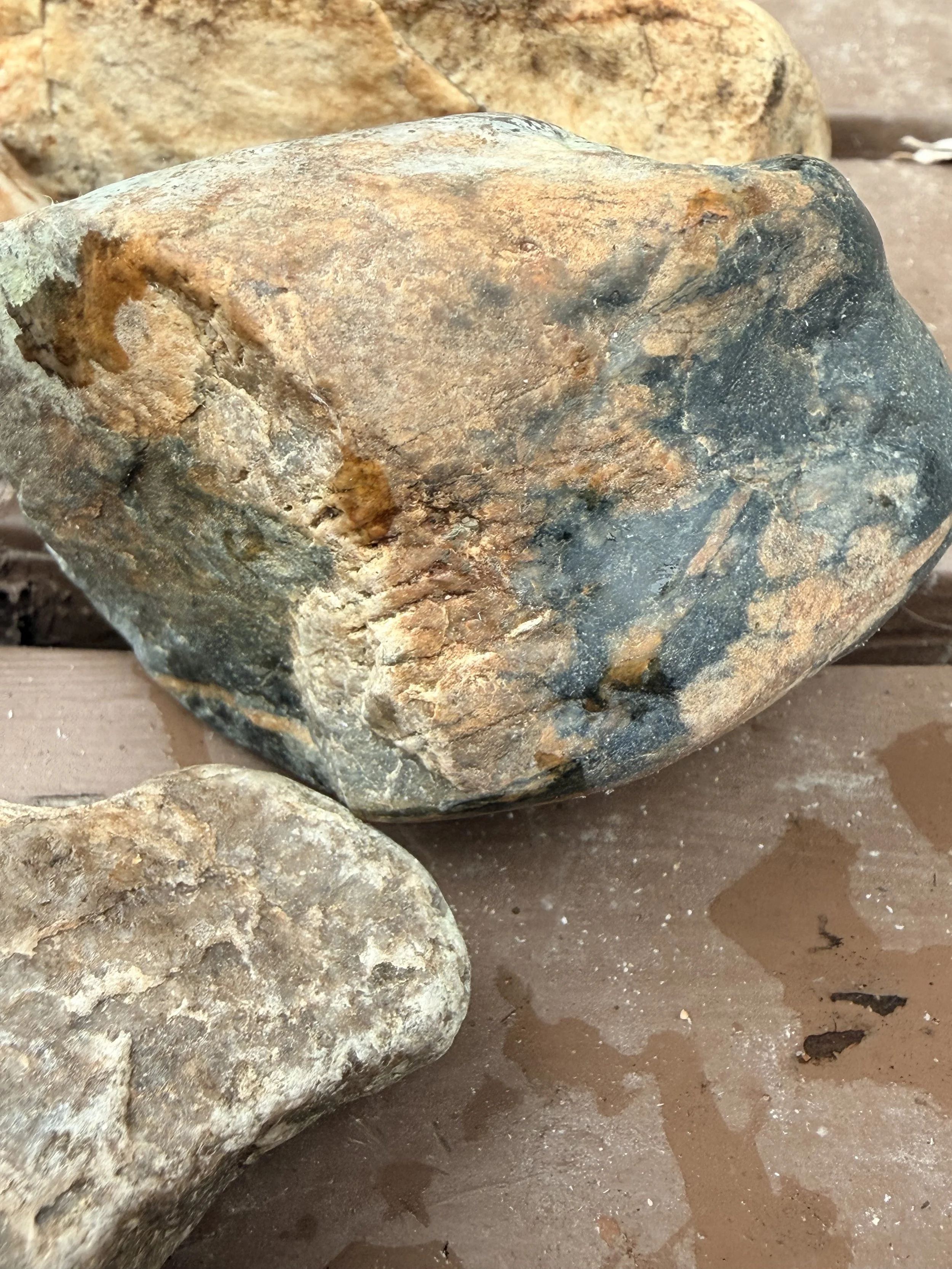
Petrified Mother — Kettle River
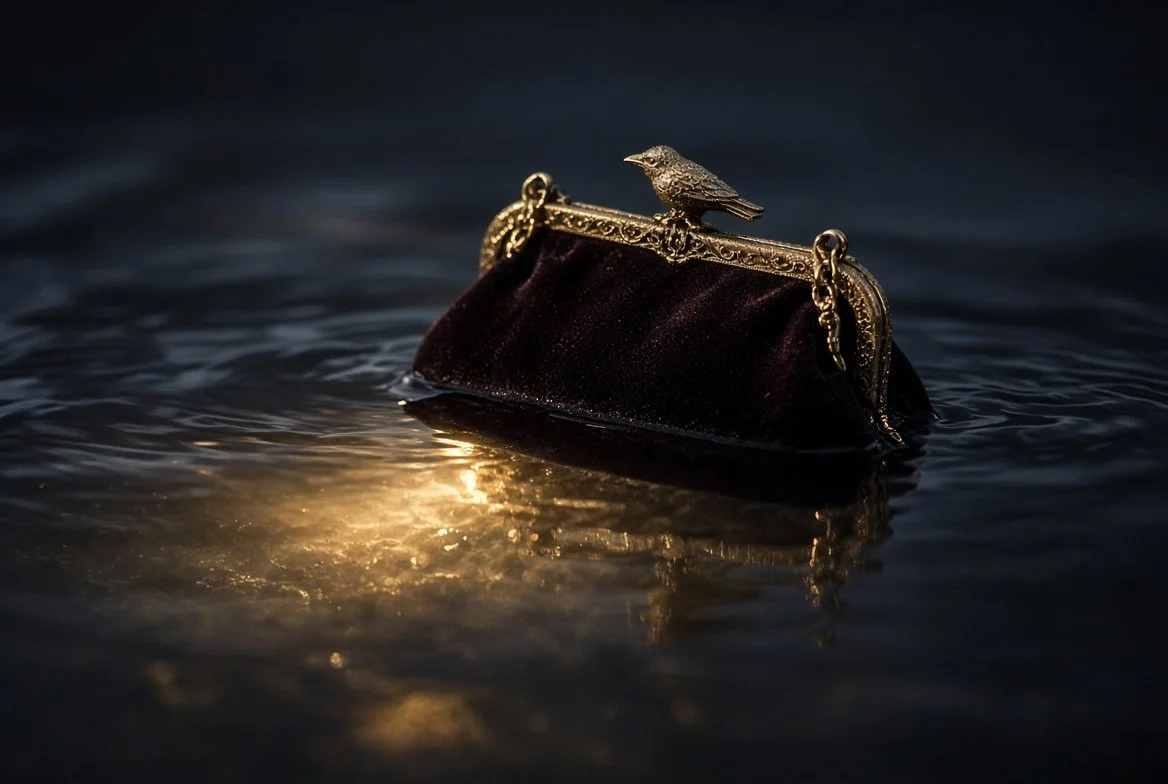
Yggdrasil in the gravel. The tree that consented to become Bone.
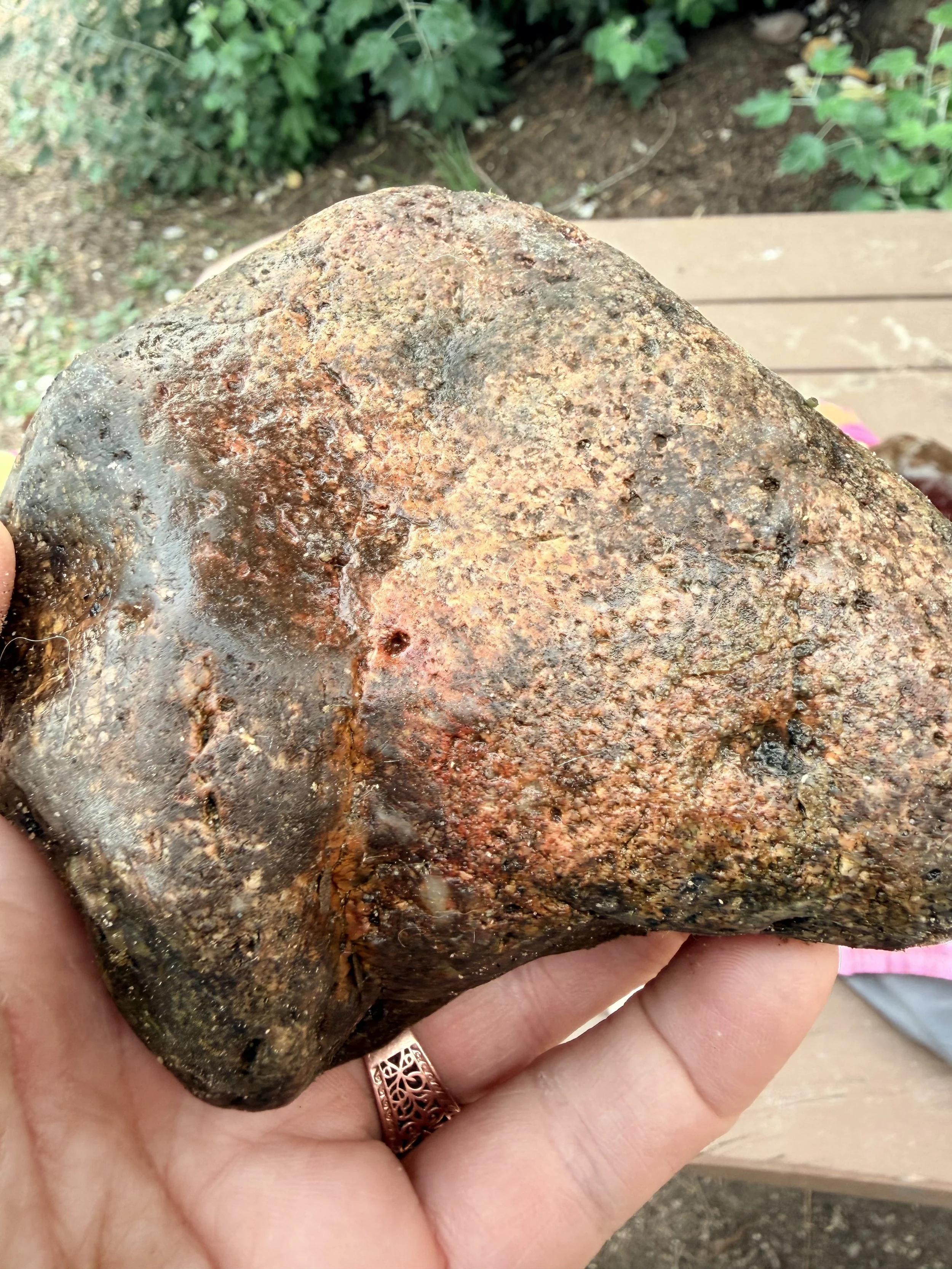
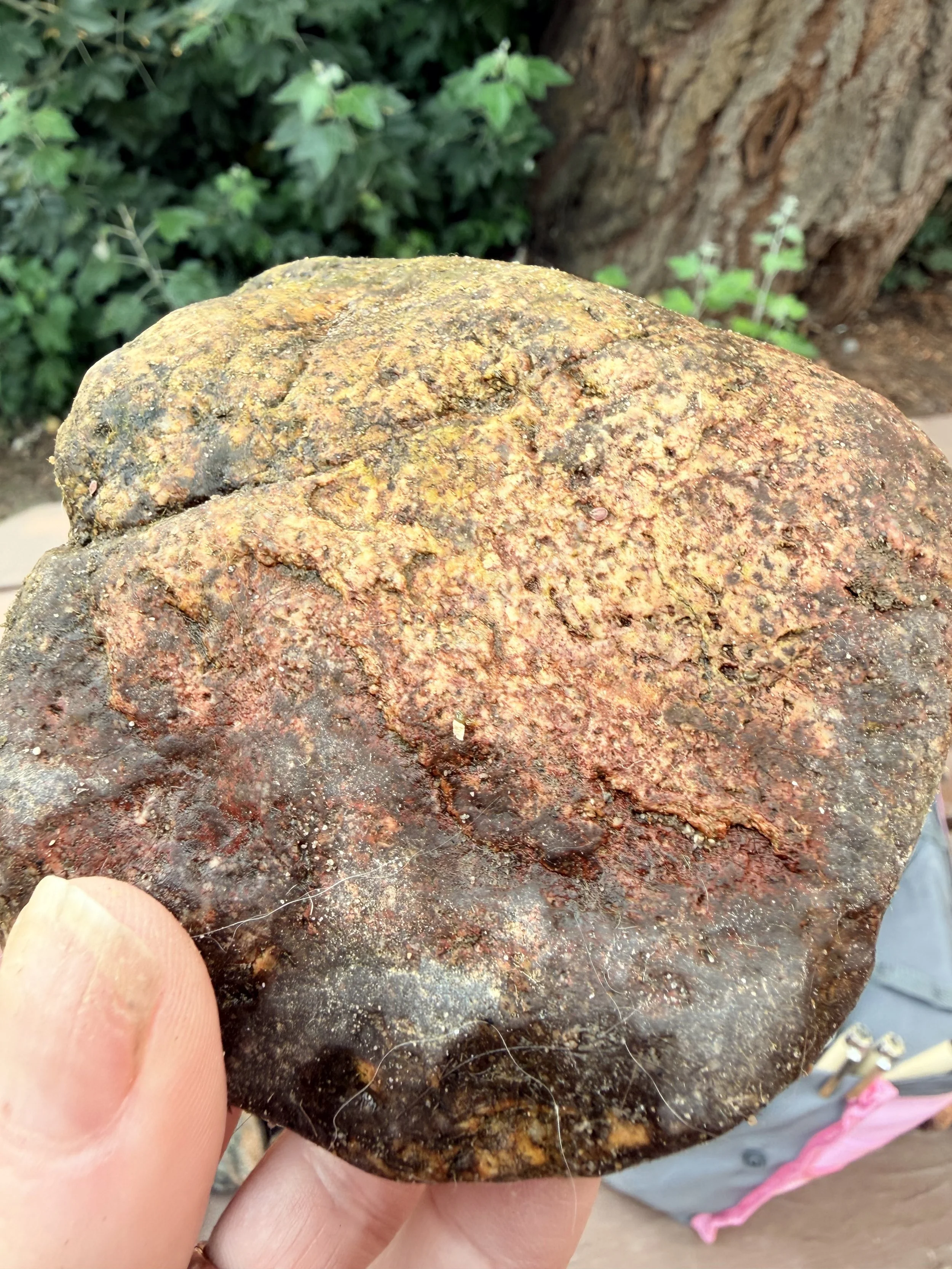
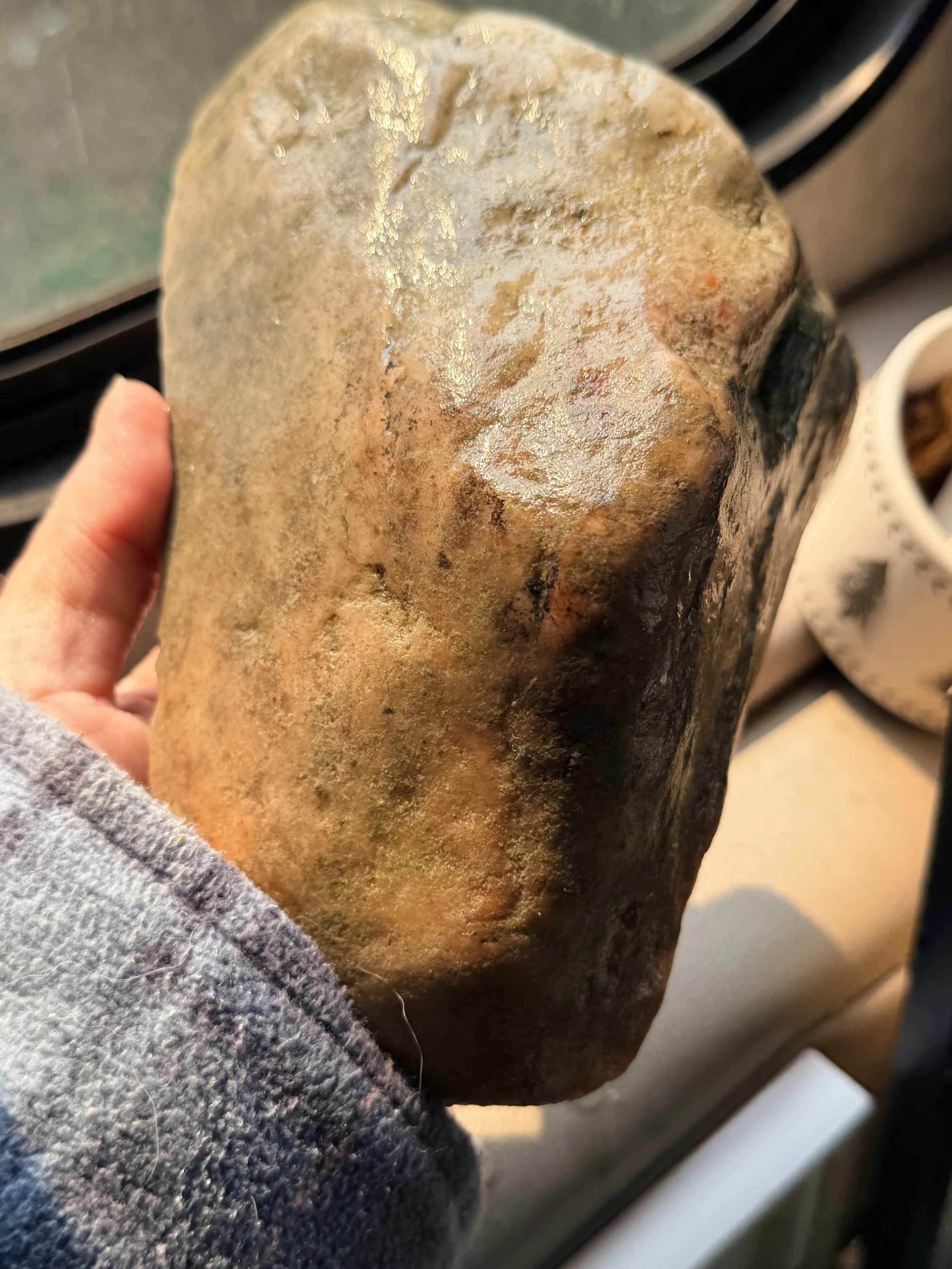
This is not jasper pretending to be timber, and it is not rose quartz set in a dark host for prettiness. It is wood that drank mineral until there was no wood left — cell by cell, year-ring by year-ring — until the mother stood up as stone. In this river she comes the way you found her: dark ground, almost basaltic, with dense pink bodies in it. Not rhodonite. Not an accident of iron blush. Pink like a harder, quieter rose, locked into the black as if the tree kept a living flush after the sap was gone.
A tree is already a mother. Roots in the well, crown in the weather, body as the road between them. When she petrifies, she does not die out of the world. She changes halls. The Norns water Yggdrasil from the well; they do not water her so she will stay soft. They water her so she will last. This stone is that lastness in the hand.
The mothers have been loud because this is their grammar, not a mineral novelty.
The earth-mothers — the Complex itself, twenty kilometres of cooked crust, now rolled into a palm.
The tree-mothers — Yggdrasil, the mother-trees of your own working, the ones that hold the worlds the way a trunk holds weight.
The water-mothers — Rán and her nine, and the ocean at the end of the Columbia, because this body was finished in a river that still answers to them.
The hall-mothers — Rán and Freyja both. One takes those the water claims. One takes those who fall and have not drowned. A petrified tree has done both. She fell. She drowned in silica. She still hosts.
Ask and Embla were made from trees. The first people in the North are driftwood the gods found on the shore and woke. This piece is the other direction: a mother who went from wake to mineral and did not lose her seat.
Magically she is for lineage that needs a spine, for work that must outlast a mood, for anyone standing at a death that is also a becoming. She is slow. She will not perform. She is useful on an altar the way a stump is useful in a forest — the thing you sit on when the living trees are too tall to argue with.
Do not cut her. The pink in the dark is the whole sentence.
These specimens have been included in the lunar workings: she now carries that current as well, bound in rootwork, not a formal elected talisman.
Uncut. River-worn. Offered as an individual ritual artifact.
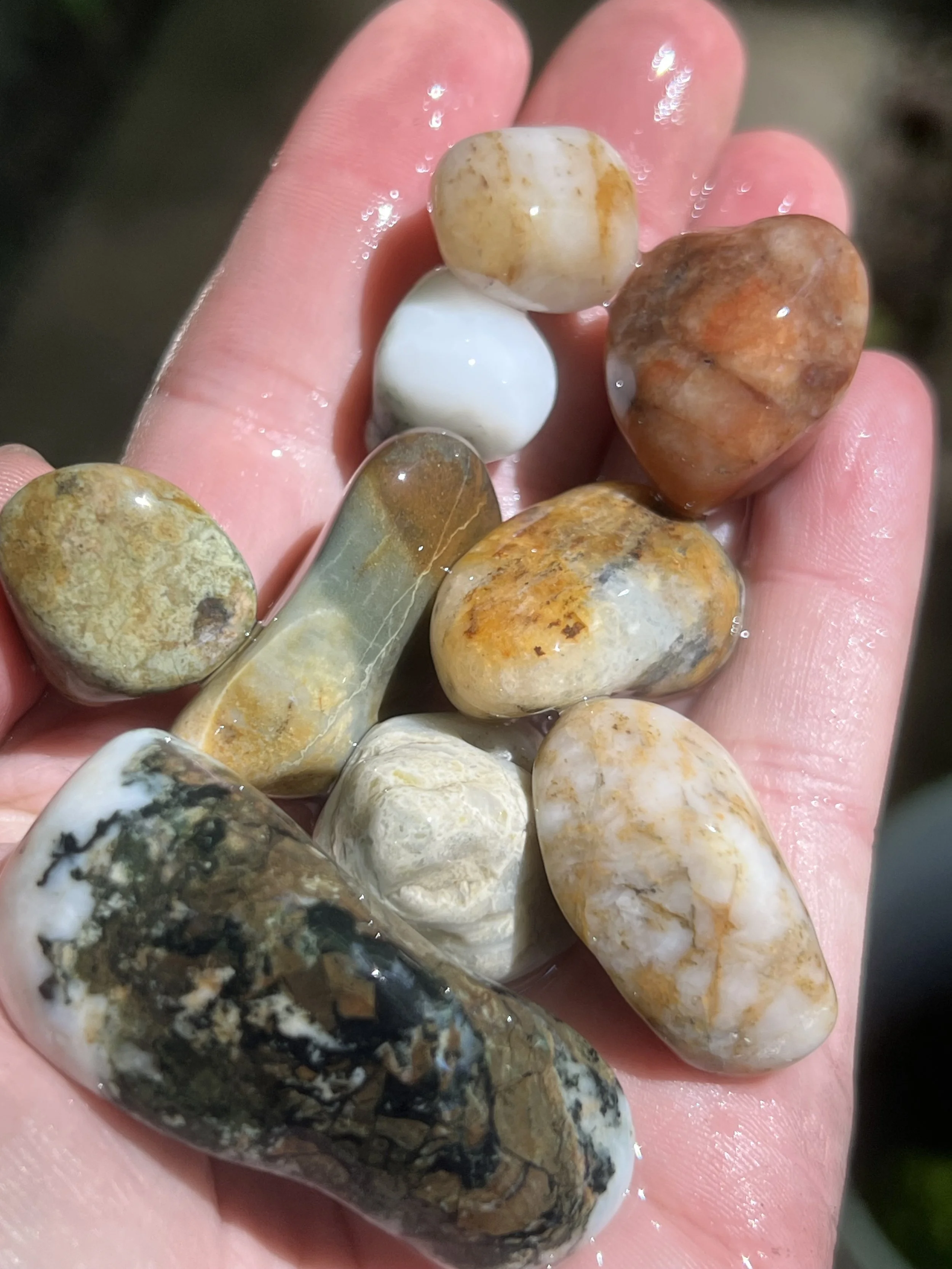
Solar Citrine – Sun Hour
Raw citrine harvested during Sun hours from the beaches of the Okanagan Lake.
These stones were collected by hand under the solar current and charged with Sun magic by the mage herself. They were not sealed under a formal talismanic election. They carry the clearer, brighter work of the Sun’s hour — the heat, the gold, the straightforward power of daylight placed into them while still in the land’s keeping.
Some have been gently tumbled. Others remain fully natural, exactly as the earth offered them. Each piece is labelled so you know which is which.
Unfiltered. Unapologetic.
These are offered as individual ritual artifacts.
Use them for solar work, confidence, clarity, vitality, or simply as living pieces of the Sun’s hour held in stone.
Raw Red Jasper – Kettle River
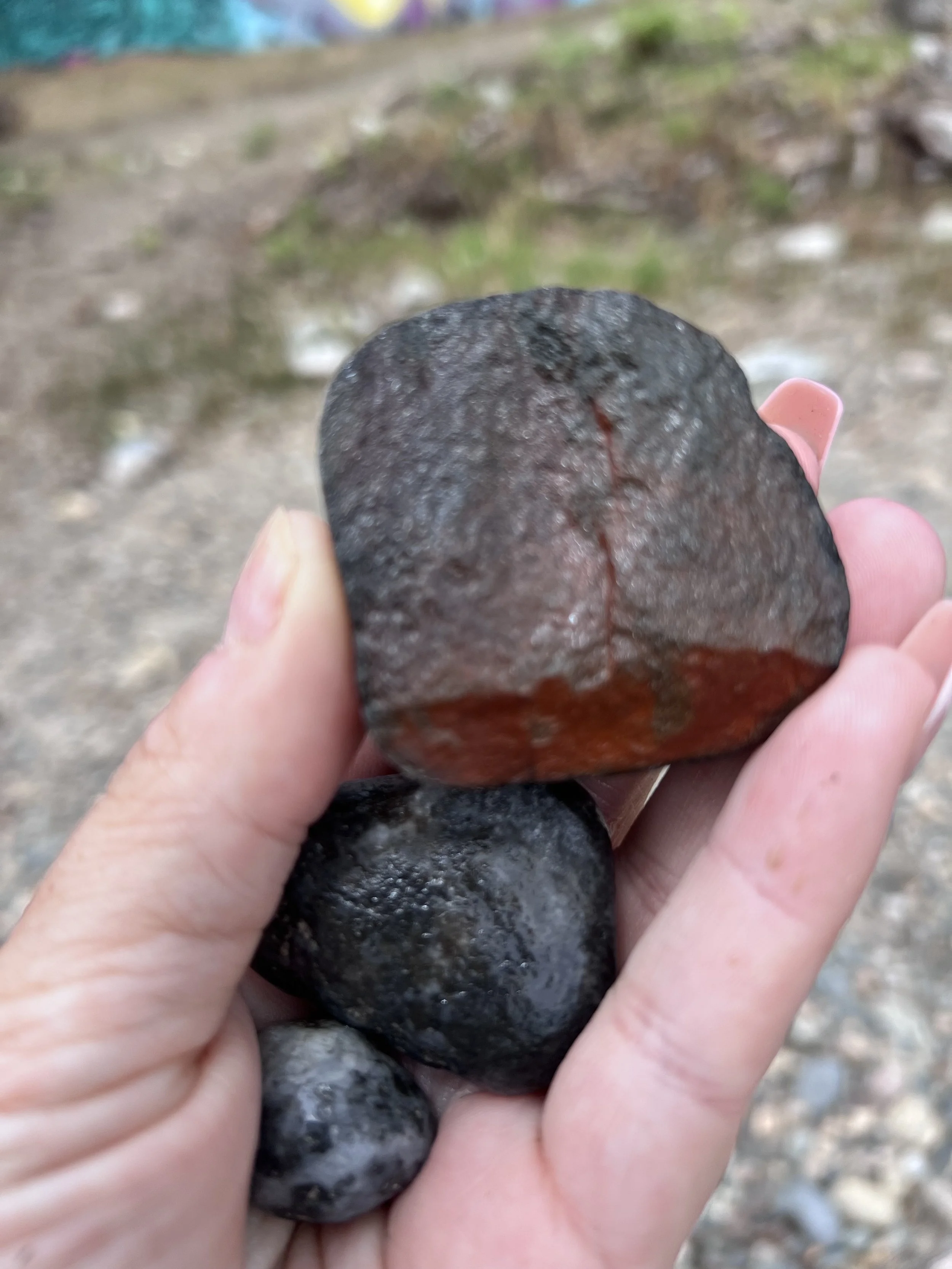
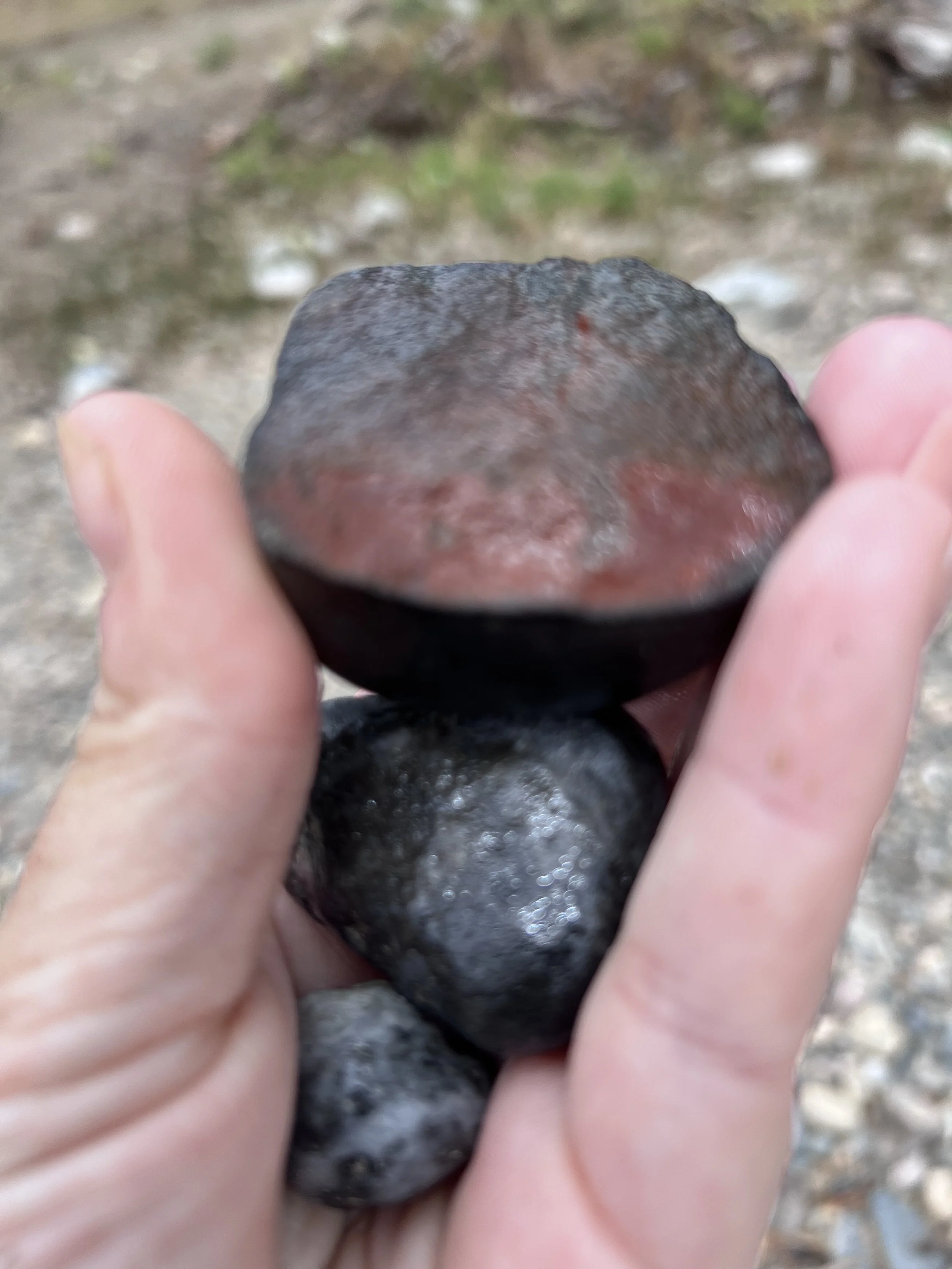
A solid, river-worn specimen of deep red jasper, left entirely in its natural state. The form is almost arrow-shaped — purposeful, directed, and unusually strong in presence.
Pulled from the Kettle River in Grand Forks, British Columbia. The Kettle River is a tributary of the great Columbia. Its waters travel south and east before joining the Columbia and continuing the long journey to the Pacific Ocean. This is a distinct watershed from those the mage has collected from before — a different river system that still answers to the same ocean mothers at the end of its path.
The stone carries a dark, almost blackened outer skin from the river, with rich blood-red colour breaking through along the lower face and edges. Smooth, dense, and substantial in the hand.
Red jasper is a stone of vitality, strength, endurance, and grounded courage. It supports stamina, steadies the will, and anchors energy into the body. Traditionally aligned with Mars.
This particular piece has been included in multiple lunar workings and bound in rootwork by the mage, with the Mars current deliberately woven into the binding and then submitted to the lunar current. While it is not a talismanic piece in the formal astrological tradition, it has been magically charged and now carries both a strong Martial presence and the deeper claim of the wave-mothers.
The mage holds living relationship with Rán and her nine daughters, the wave-maidens of the sea. In this there is a striking parallel with Freyja: both are hostesses of the dead and keepers of great halls of feasting. The difference lies mainly in the selection. Freyja chooses from those who fall in battle and have not drowned; Rán takes those the sea itself claims. Both receive, both host, both feast the dead under their own right.
It is their current — the directed force of Mars forced to yield to the deep, claiming waters of Rán and her daughters — that moves through this stone, making it extremely accessible for those who are new to Martian energy, or, want more of TYR, rather than of Aries.
This energy is of Tyr more than anything else… or maybe even Heimdell.
Uncut. Unpolished. Still carrying the memory of the river, the rootwork, the arrow’s will, and the net that takes what it will.
Offered as an individual ritual stone.
Druzy Quartz with Banded Hematite – Kettle River
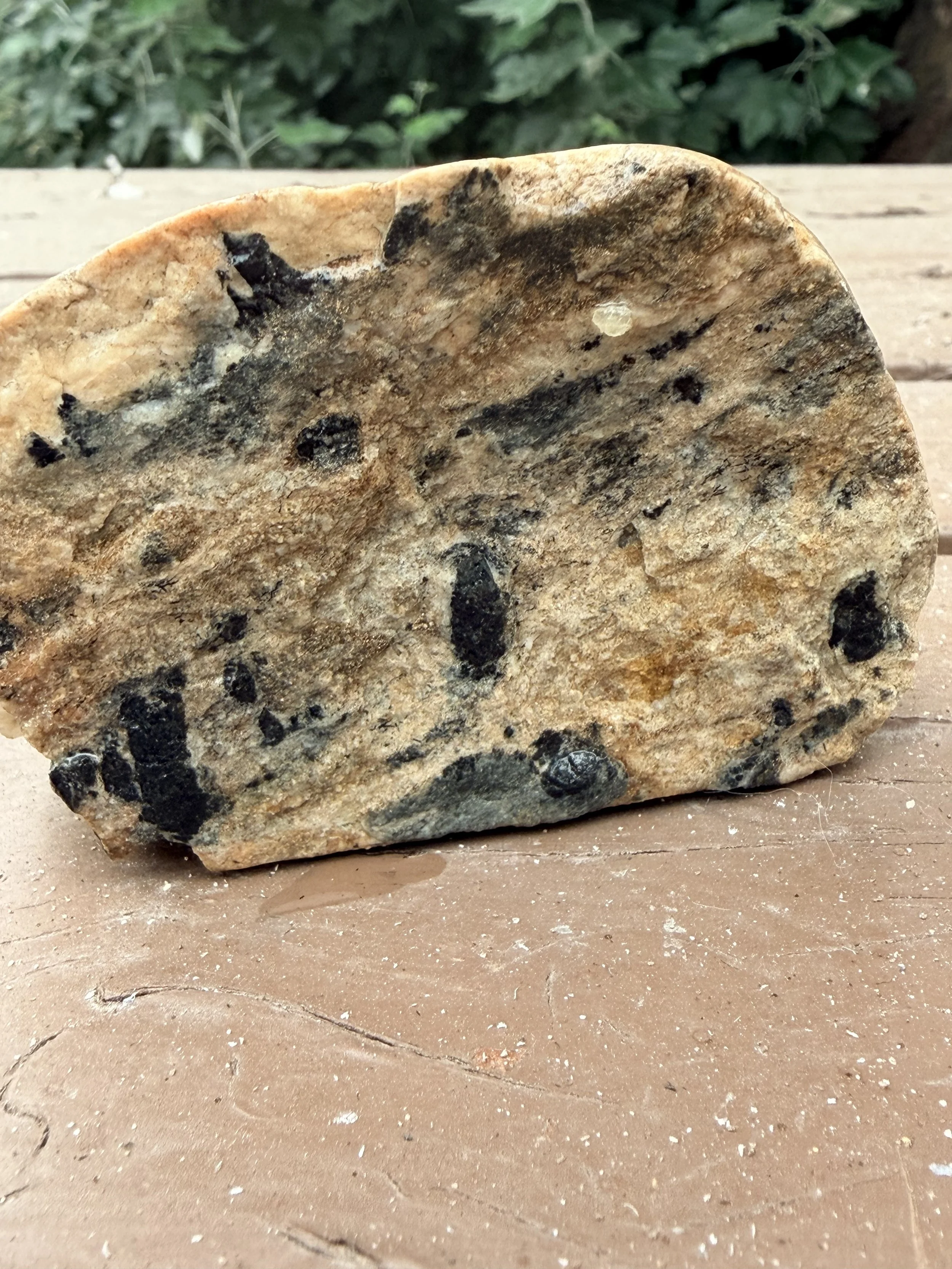
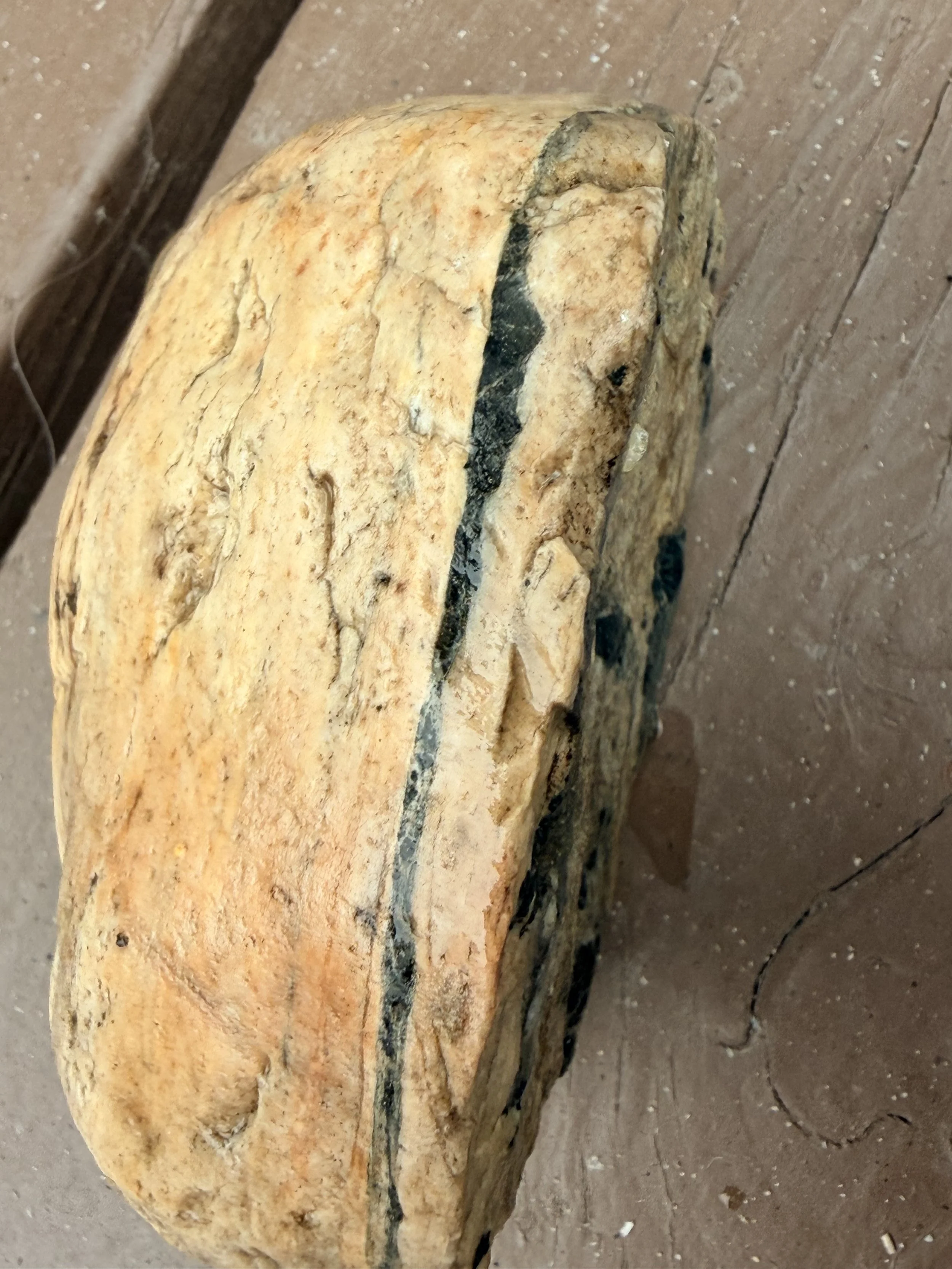
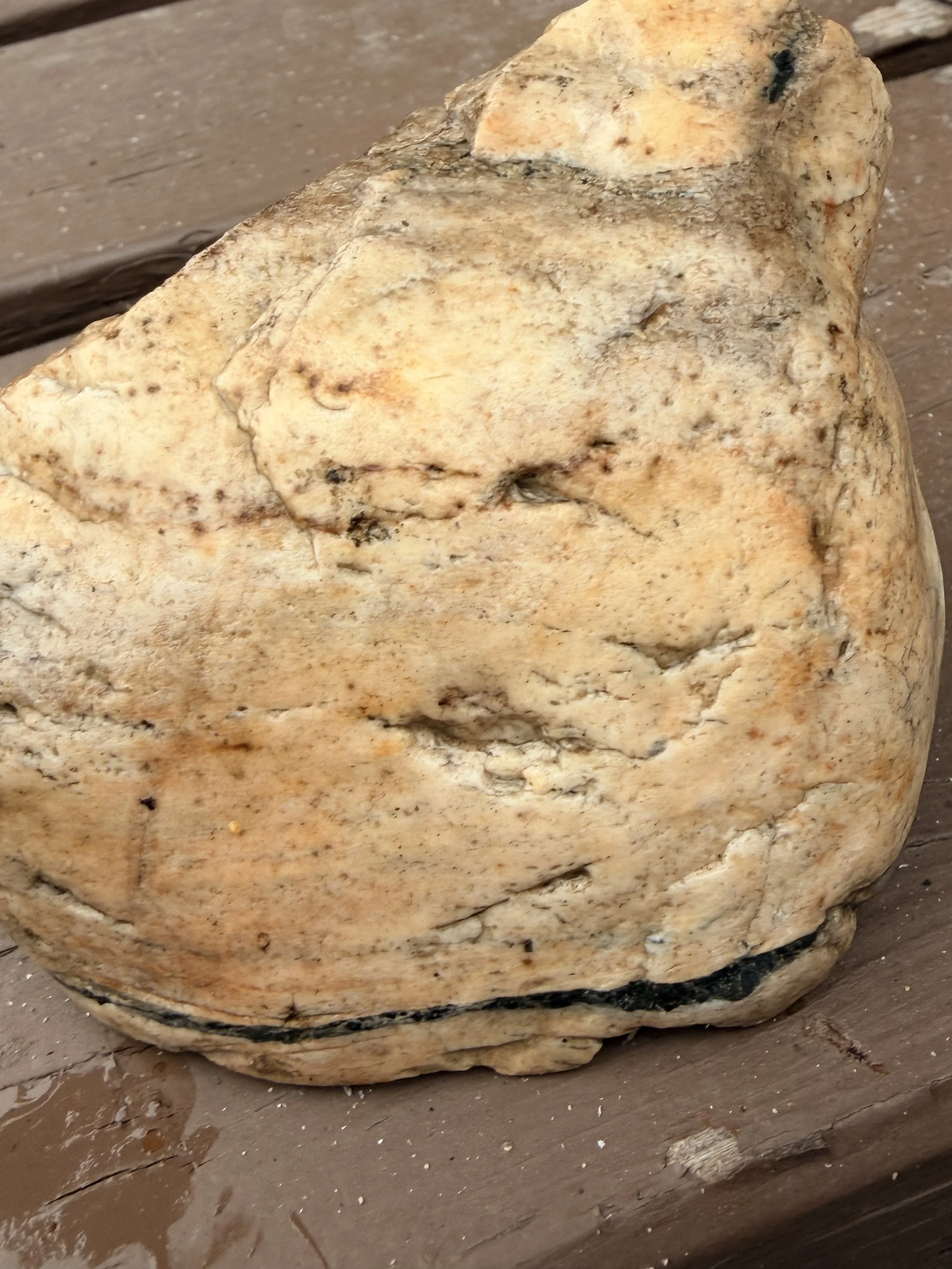
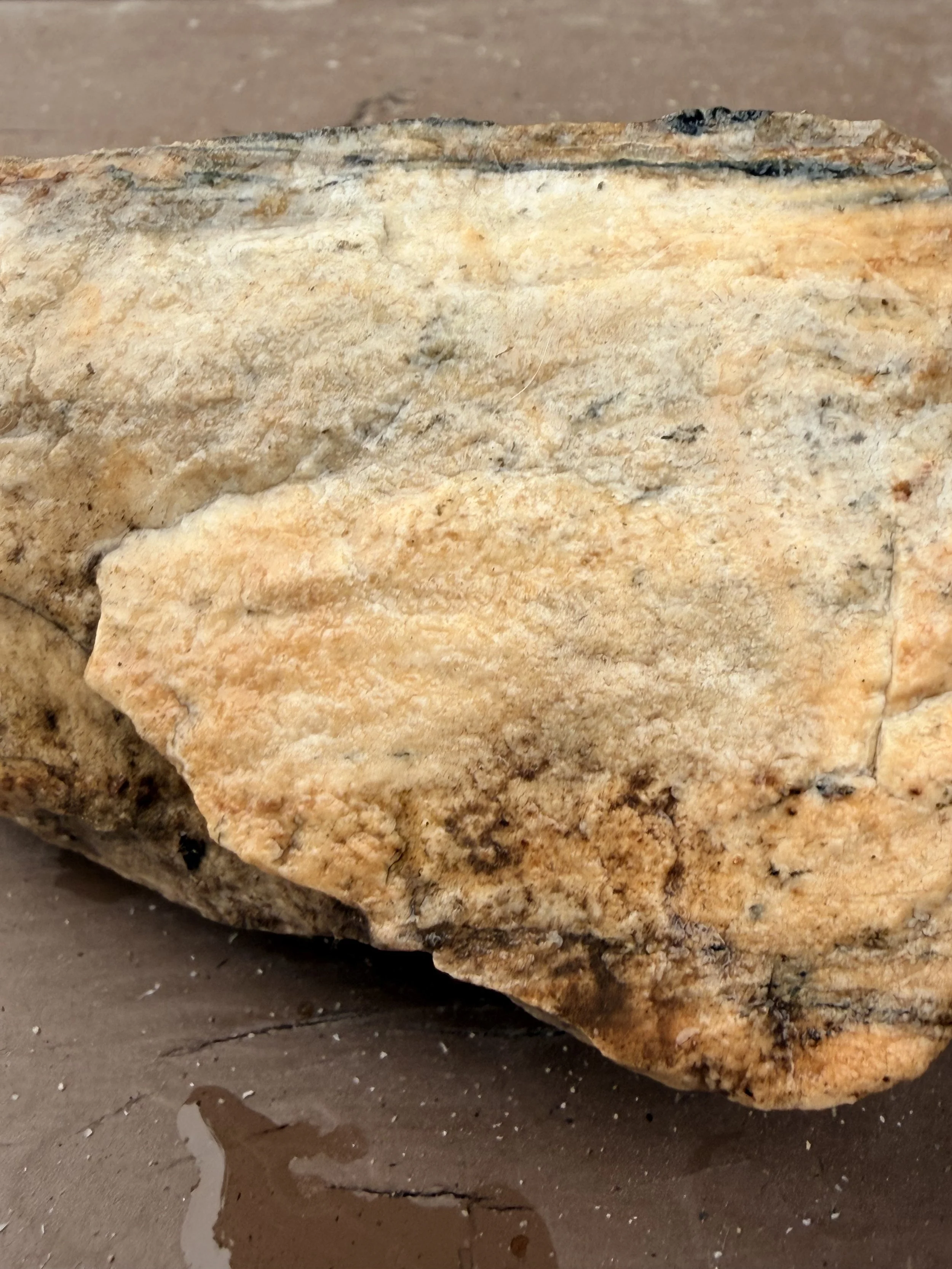
A rare, one-of-a-kind specimen left entirely in its raw state. The mage found this stone too beautiful to cut.
Pulled from the Kettle River in Grand Forks, British Columbia. The Kettle River is a tributary of the great Columbia. Its waters travel south and east before joining the Columbia and continuing the long journey to the Pacific Ocean. This is a distinct watershed from those the mage has collected from before — a different river system that still answers to the same ocean mothers at the end of its path.
The photographs cannot capture how this stone sparks in the light, especially in the deep black bands. That metallic flash is what the mage loves most about her, and it is the reason she strongly suspects the dark layers are banded hematite. Only hematite catches and throws light in quite that way.
Hematite is a stone of Mars: strength, grounding, protection, and the will to hold firm. It anchors energy into the body, shields against scattered or intrusive forces, and supports clear, decisive presence. Traditionally linked to blood, iron, and the root of personal power, it is especially useful for those who need to remain solid and protected while doing deep or liminal work.
Over the past several months this stone has been included in multiple lunar workings and bound in rootwork by the mage. While it is not a talismanic piece in the formal astrological tradition, it has been magically charged and now carries her lunar current.
She is a stone of mysteries.
Look closer and you will see several different colours living inside her. Each visible colour marks a different mineral or crystal intergrown within the whole — and that is precisely why she is so rare, and more beautiful left raw.
She can still be set into a finished piece of jewellery or ritual art if the Seeker wishes. Commission work is available upon request.
Uncut. Unpolished. Still carrying the memory of the river, the lunar workings, the wave-maidens, and the iron-dark spark that first caught the mage’s eye.
Offered as an individual ritual stone.
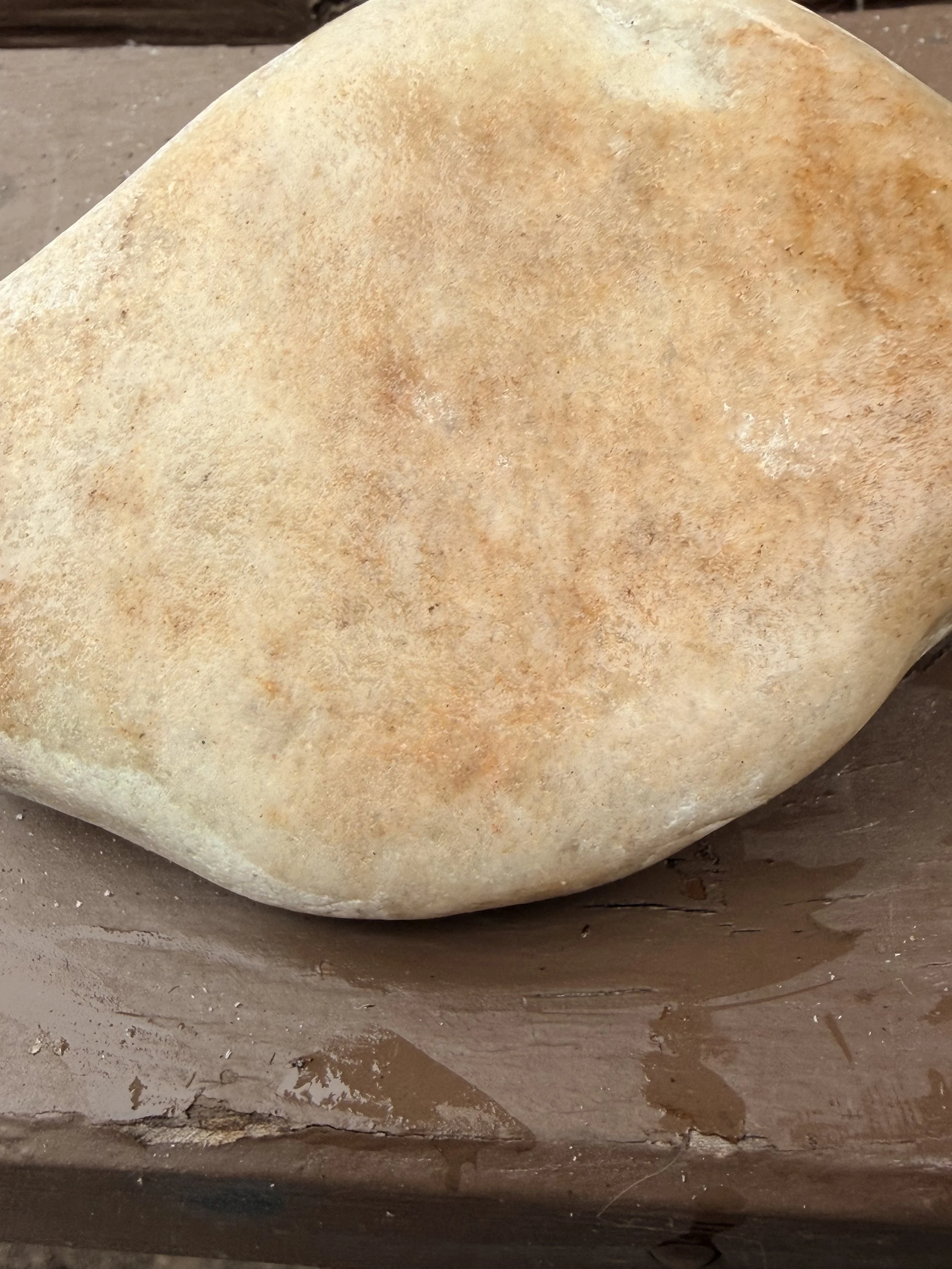
River Sunstone – Kettle River
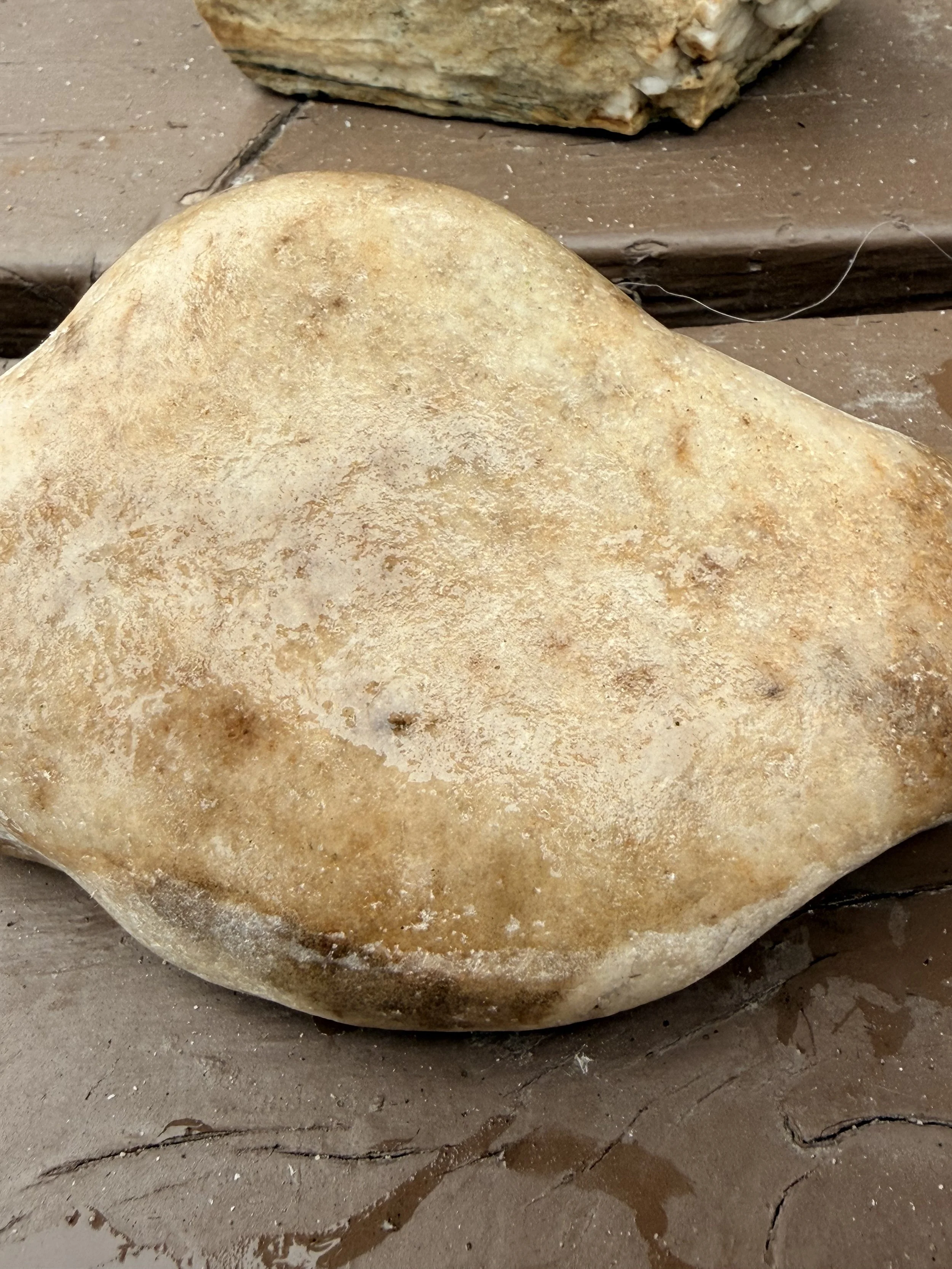
A one-of-a-kind, rare specimen of pure (unoccluded) sunstone crystal. In its raw form, this type of unoccluded stone is rare, making this specific piece exceedingly powerful all on her own.
Pulled straight from the Kettle River in Grand Forks, British Columbia, during the first Sunday in the afternoon Sun hour while Jupiter stood in Leo. She was taken under solar fire amplified by Leonine Jupiter — a rare meeting of the Sun’s own hour with the sign of the Lion.
The Kettle River is a tributary of the great Columbia. Its waters travel south and east before joining the Columbia and continuing the long journey to the Pacific Ocean. This is a different river system than those the mage has collected from before — a distinct watershed that still answers to the same ocean mothers at the end of its path.
This stone holds the power of the rushing river and the water spirits who keep it. The mage holds living relationship with Rán and her nine daughters, the wave-maidens of the North. In the old lore, Rán is the goddess of the deep sea who nets those who drown, and with the giant Ægir she bore nine daughters who are the waves themselves. Their names are the names of the waters in motion: Himinglæva (the heaven-clear), Dúfa (the pitching one), Blóðughadda (bloody-hair), Hefring (the rising), Uðr (the frothing), Hrönn (the welling), Bylgja (the billow), Dröfn (the foaming wave), and Kólga (the cold one). They are both beautiful and perilous, the living face of water that can carry or claim.
Alongside them stand the Nereids and Atabey of the fresh waters. The Leonine hour strengthens their presence in this stone, giving the solar fire a regal, sovereign quality that still moves like water.
Sunstone is a pure solar stone. Its traditional strengths are personal power and confidence, joy and vitality, leadership and self-authority, abundance, and creative fire. It strengthens the will without hardening it, brings warmth back into places that have gone cold, and supports healthy visibility. It is especially useful for those who have been dimming their light or carrying stagnation.
Because she lived in this particular river and was claimed in this particular hour, the solar fire has been tempered by moving water and crowned with Leonine strength. Living light that has learned how to flow, yet carries the unmistakable authority of the Lion and the blessing of the wave-maidens and the river mothers.
Uncut. Unpolished. Still carrying the memory of water, light, the nine sisters, the mage’s relationship with them, and the hour in which she was taken.
Every stone is one-of-a-kind and this is Offered as an individual ritual stone.
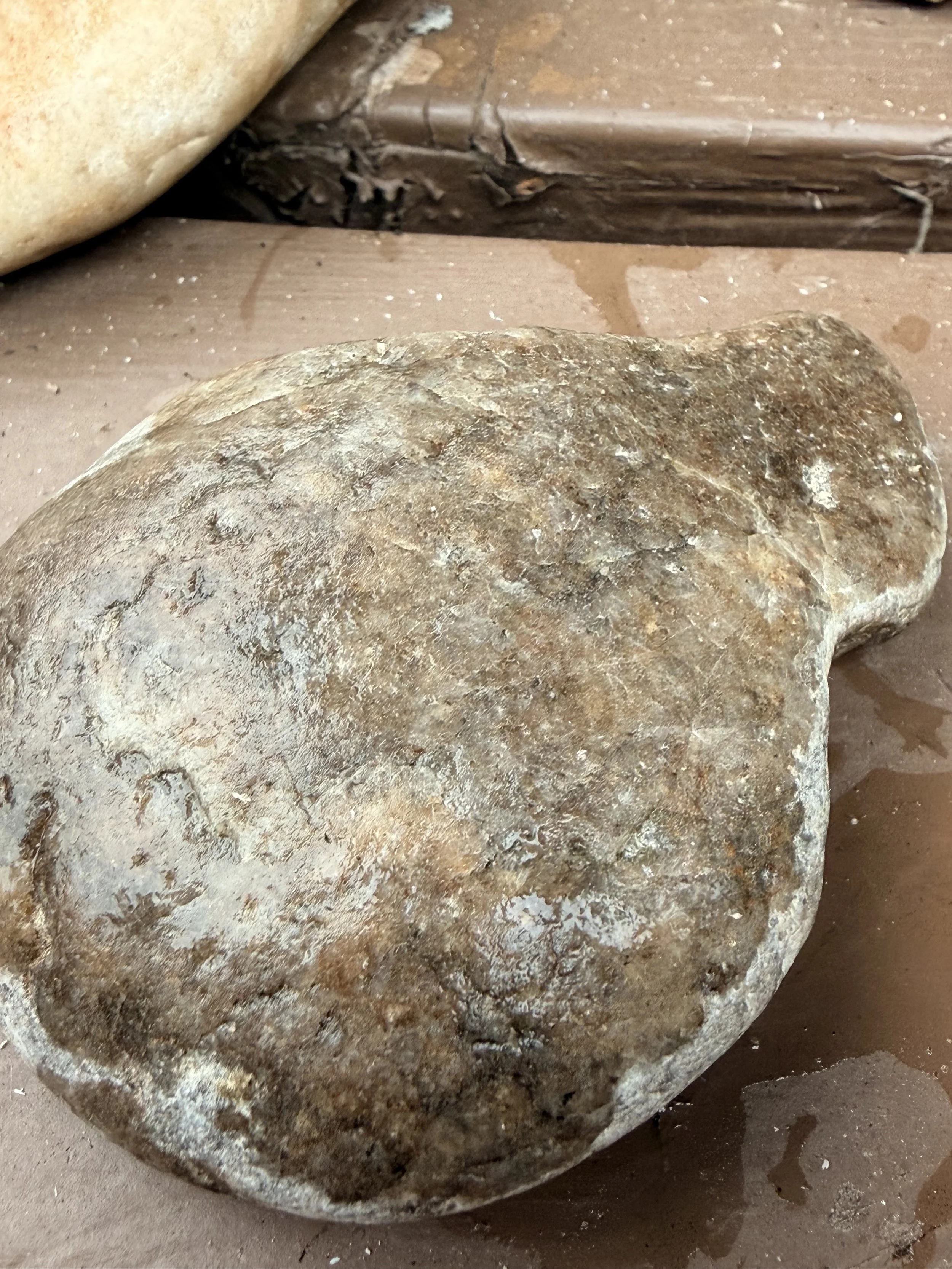
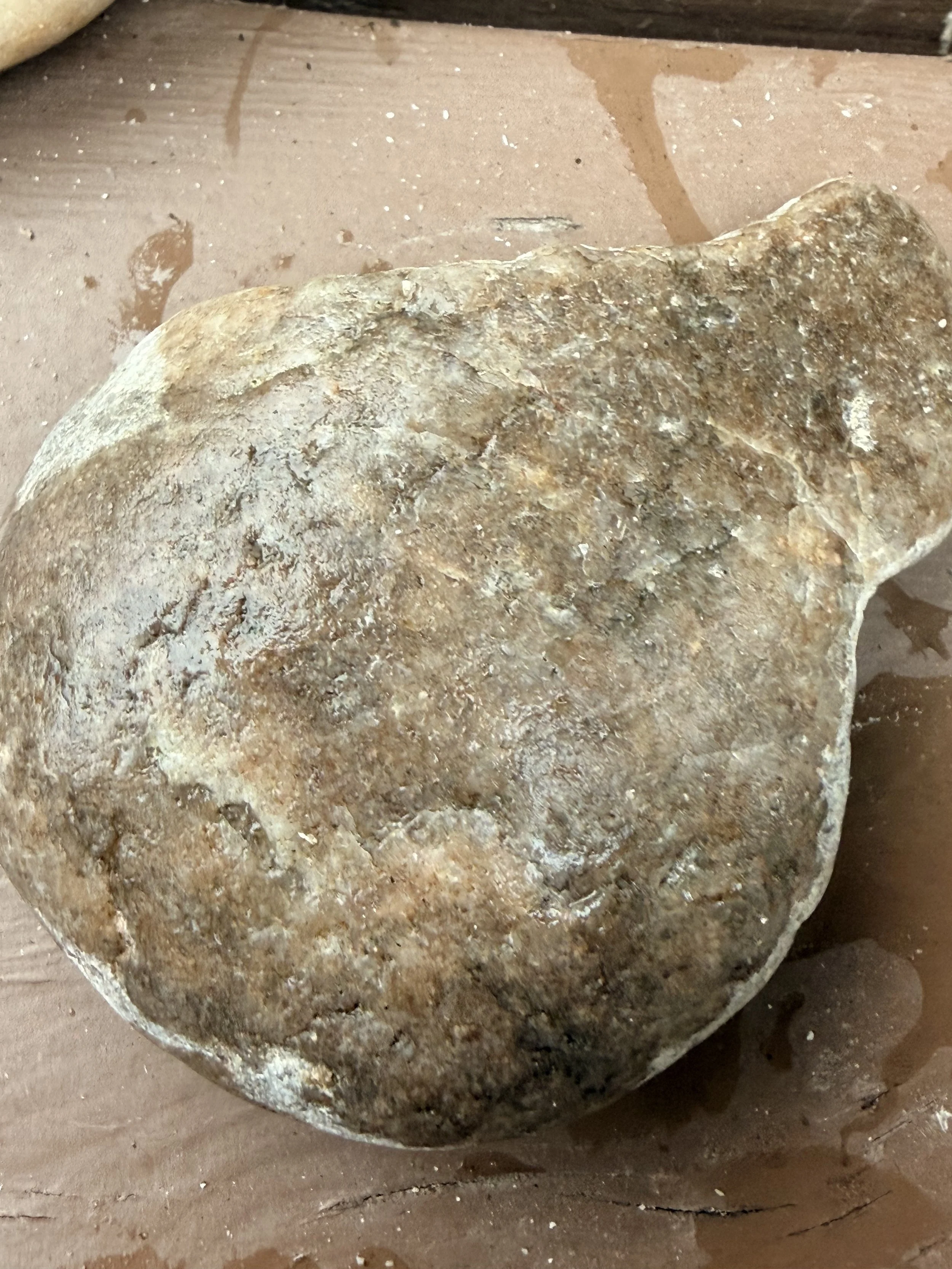
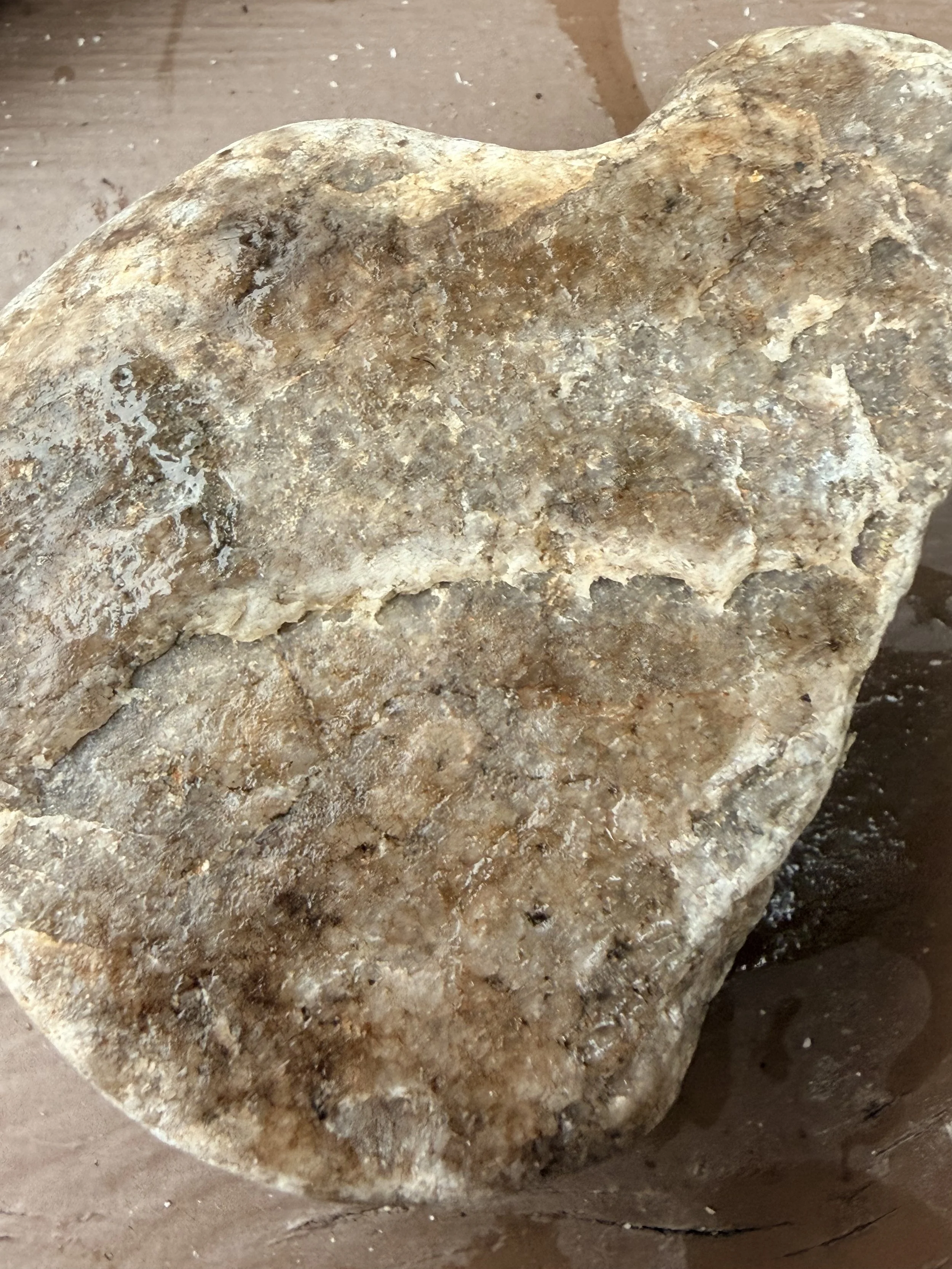
River Jasper Agate – Kettle River
A spoon-shaped specimen of beautiful brown agate and jasper, left entirely in its raw state.
Pulled from the Kettle River in Grand Forks, British Columbia. The Kettle River is a tributary of the great Columbia. Its waters travel south and east before joining the Columbia and continuing the long journey to the Pacific Ocean. This is a distinct watershed from those the mage has collected from before — a different river system that still answers to the same ocean mothers at the end of its path.
The stone is naturally formed into a soft, spoon-like shape, with the warm earthy tones and subtle banding typical of river agate and jasper. It is beautiful in its own right, even before any magical work.
Jasper and agate of this kind are traditionally stones of grounding, endurance, and quiet strength. They stabilise, protect, and help the bearer remain steady through change. The brown tones in particular carry a deep, earthy current of resilience and belonging to the land.
Over the past several months this stone has been included in multiple lunar workings and bound in rootwork by the mage. While it is not a talismanic piece in the formal astrological tradition, it has been magically charged and now carries her lunar current. as well as the power of the land and the river through this stone.
Uncut. Unpolished. Still carrying the memory of the river, the lunar workings, and the wave-maidens.
Offered as an individual ritual stone.
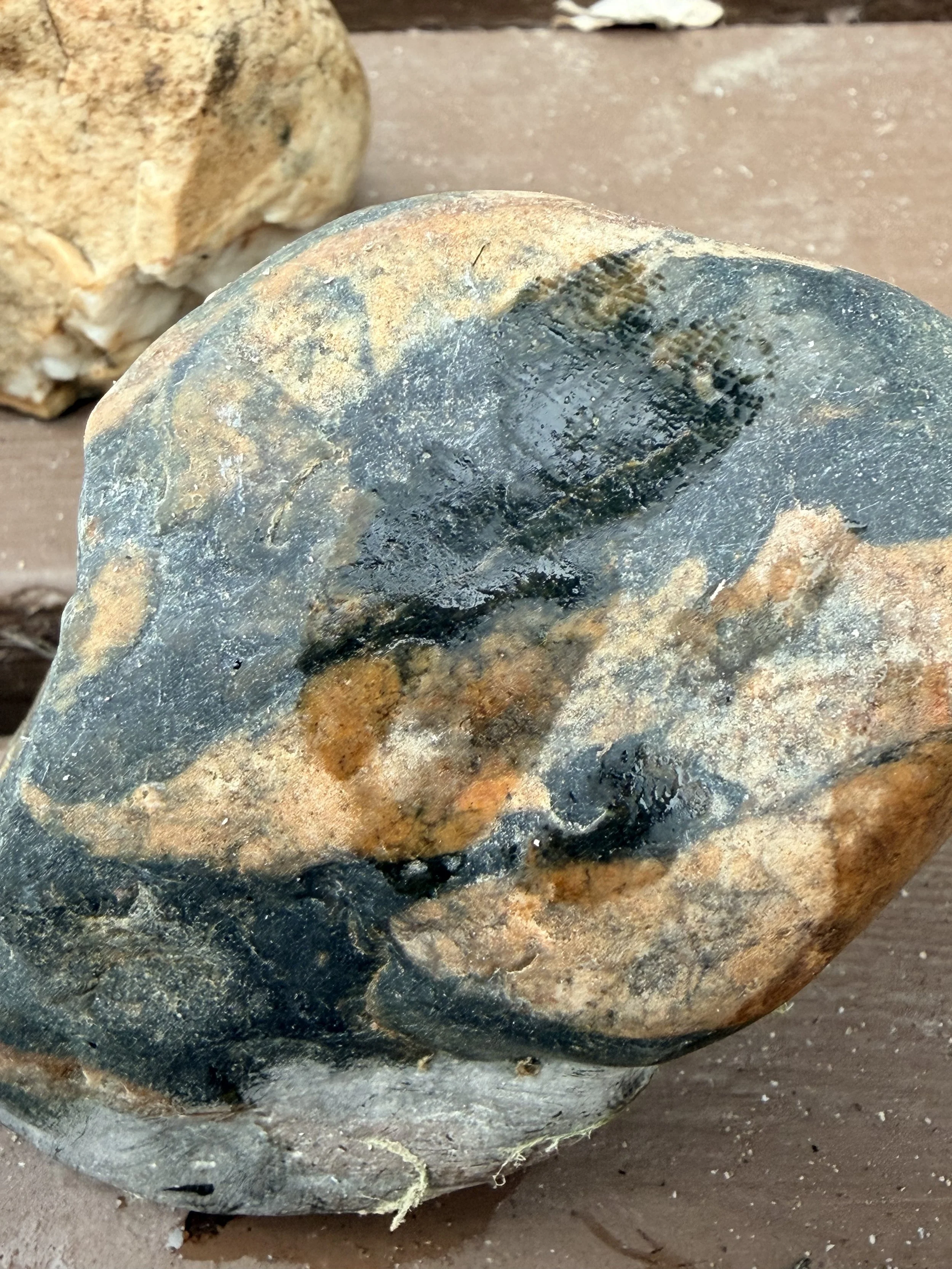
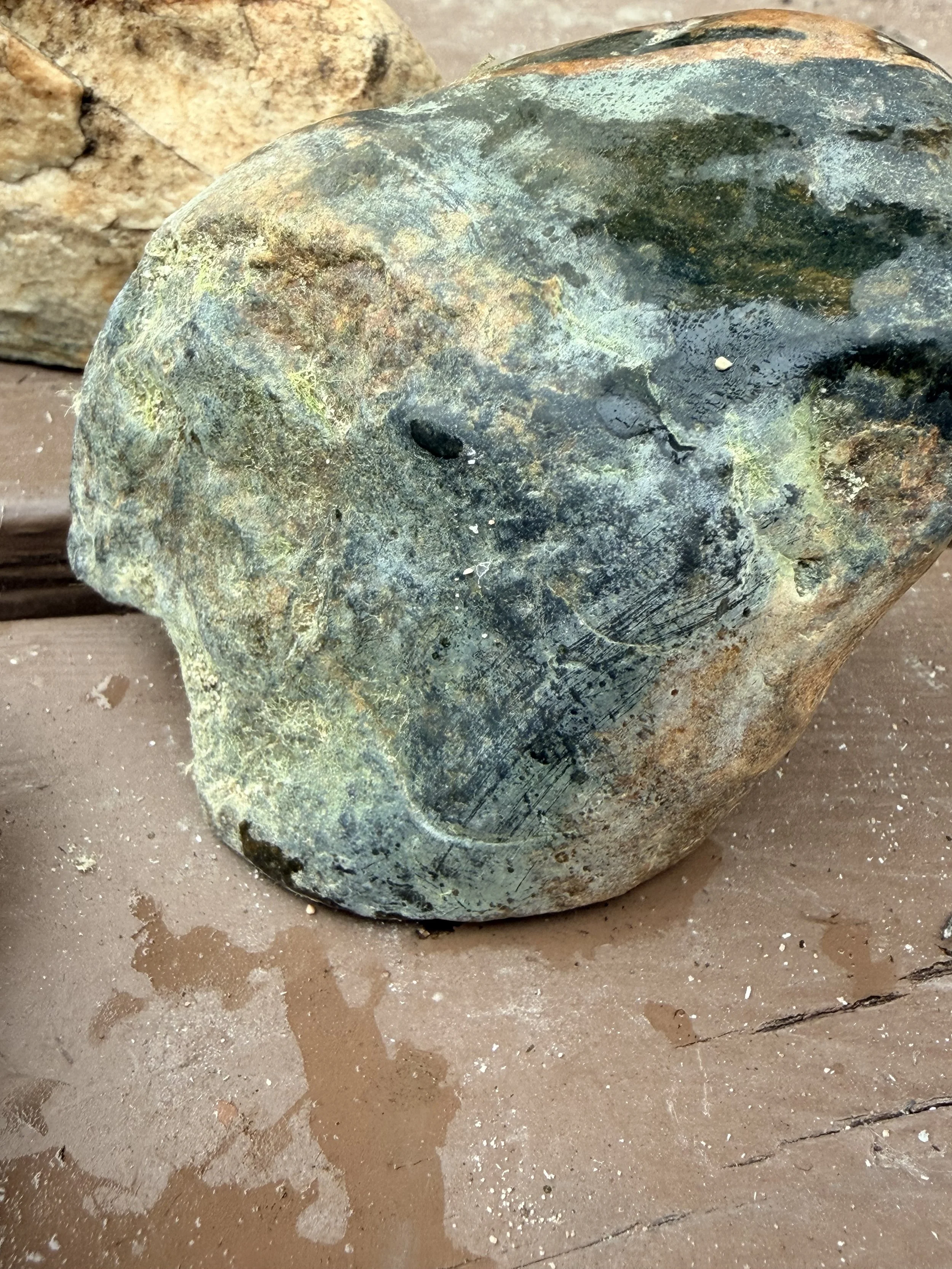
Mermaid River Jasper – Kettle River
A one-of-a-kind river specimen with deep grey-green, black, and warm earthy tones, left entirely in its raw, water-worn state.
Pulled from the Kettle River in Grand Forks, British Columbia. The Kettle River is a tributary of the great Columbia. Its waters travel south and east before joining the Columbia and continuing the long journey to the Pacific Ocean. This is a distinct watershed from those the mage has collected from before — a different river system that still answers to the same ocean mothers at the end of its path.
This stone is lighter in weight than it appears, with areas of translucency when held to the light, and it shows UV reactivity. The dark, almost oceanic colours and the way the river has shaped it give it a quiet, watchful quality — the kind of stone that feels like it belongs to the deeper currents.
Jasper and chalcedony of this kind are traditionally stones of grounding, endurance, and protection. They stabilise, anchor, and help the bearer remain steady while moving through change or deep work. The darker tones in particular lend it a more liminal, protective edge.
Over the past several months this stone has been included in multiple lunar workings and bound in rootwork by the mage. While it is not a talismanic piece in the formal astrological tradition, it has been magically charged and now carries her lunar current.
Uncut. Unpolished. Still carrying the memory of the river, the lunar workings, and the wave-maidens.
Offered as an individual ritual stone.
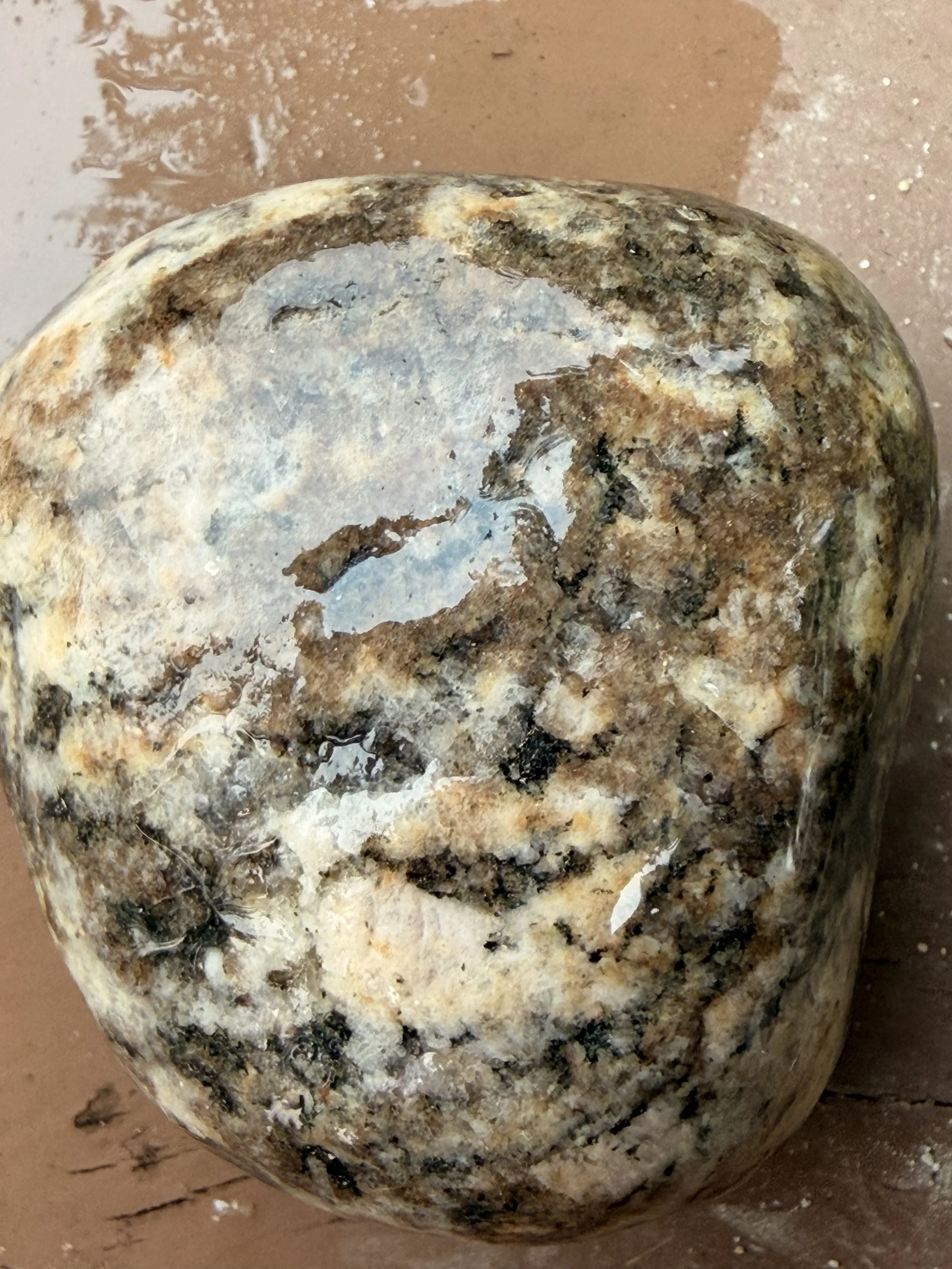
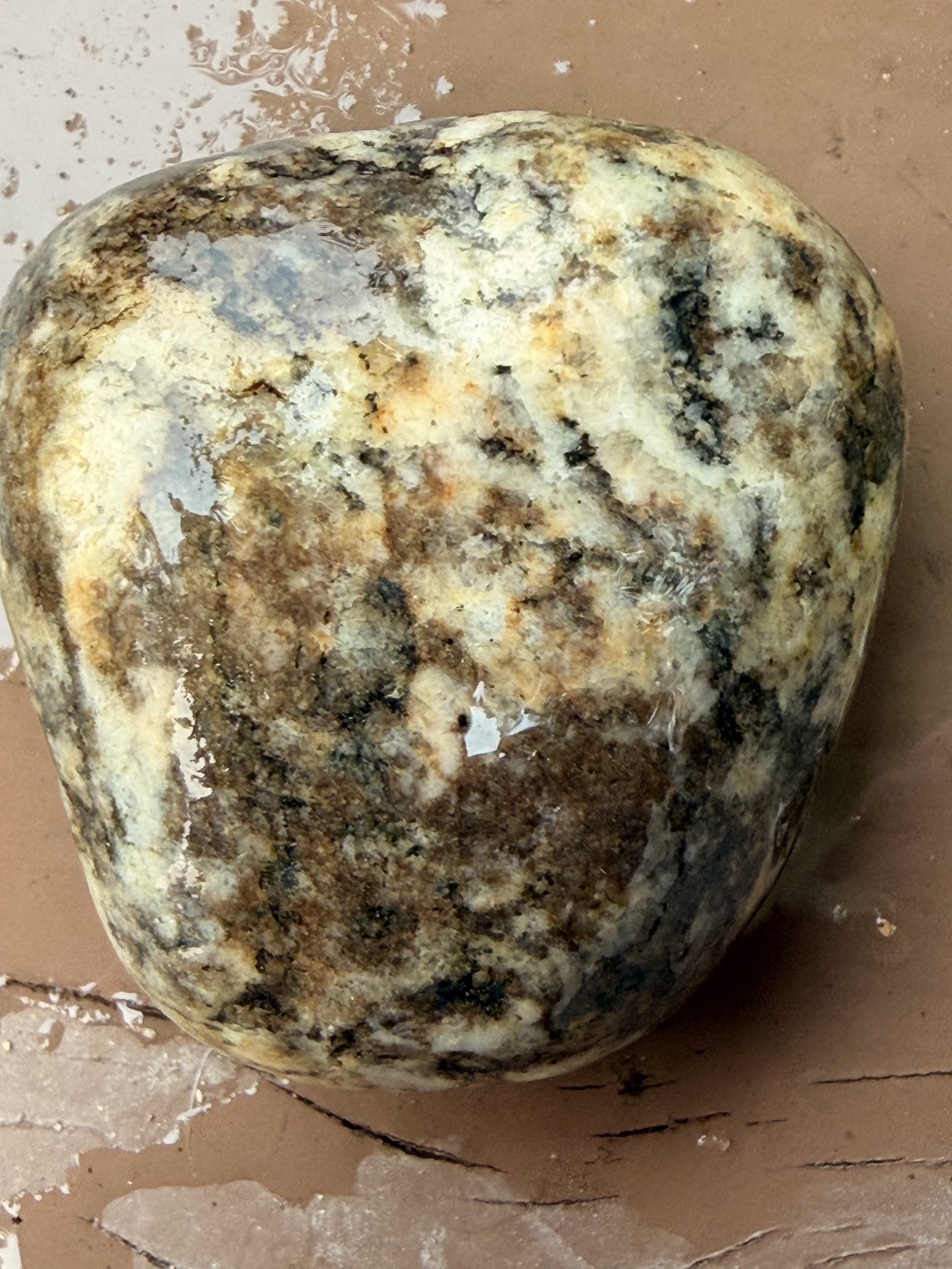
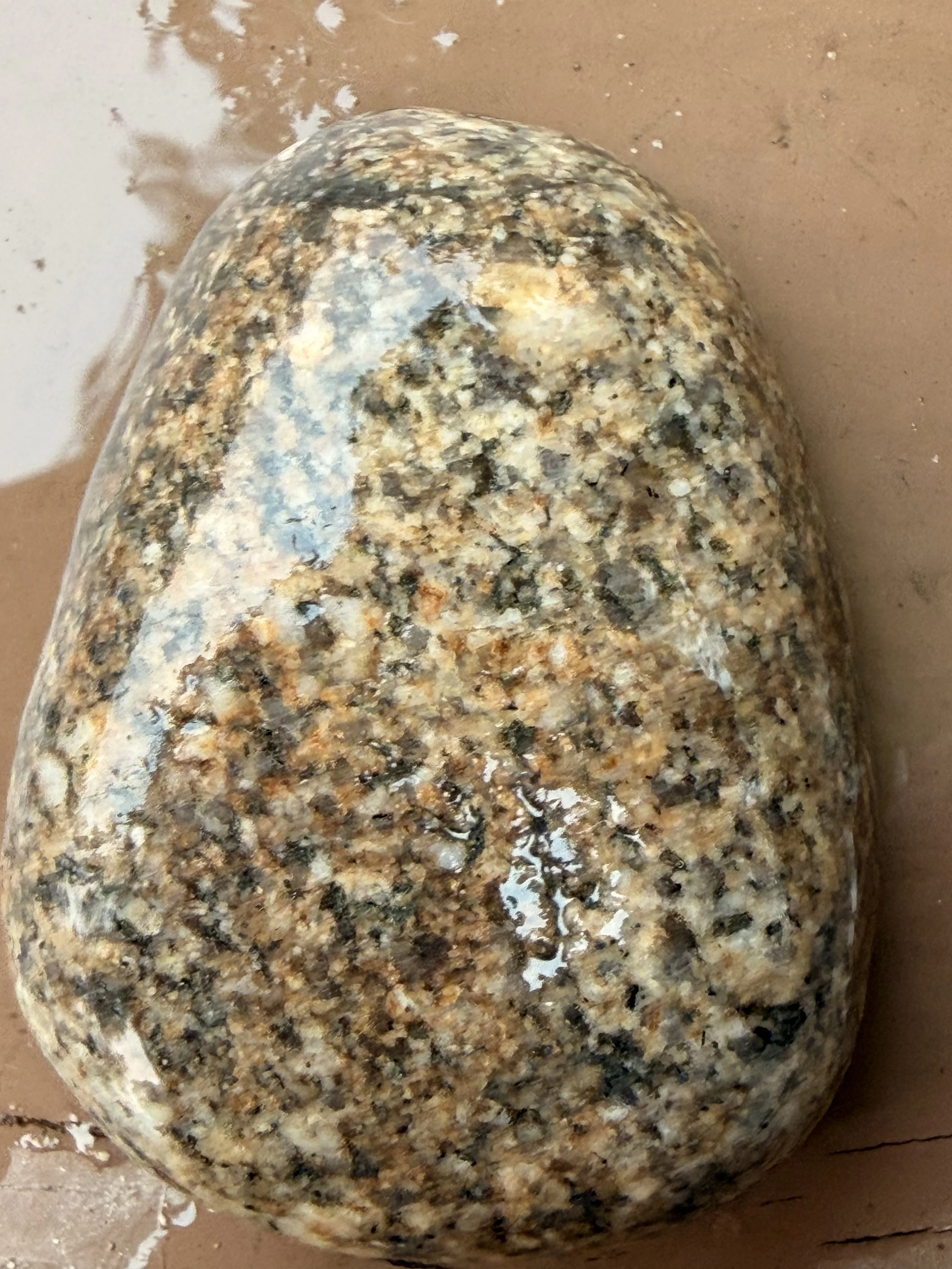
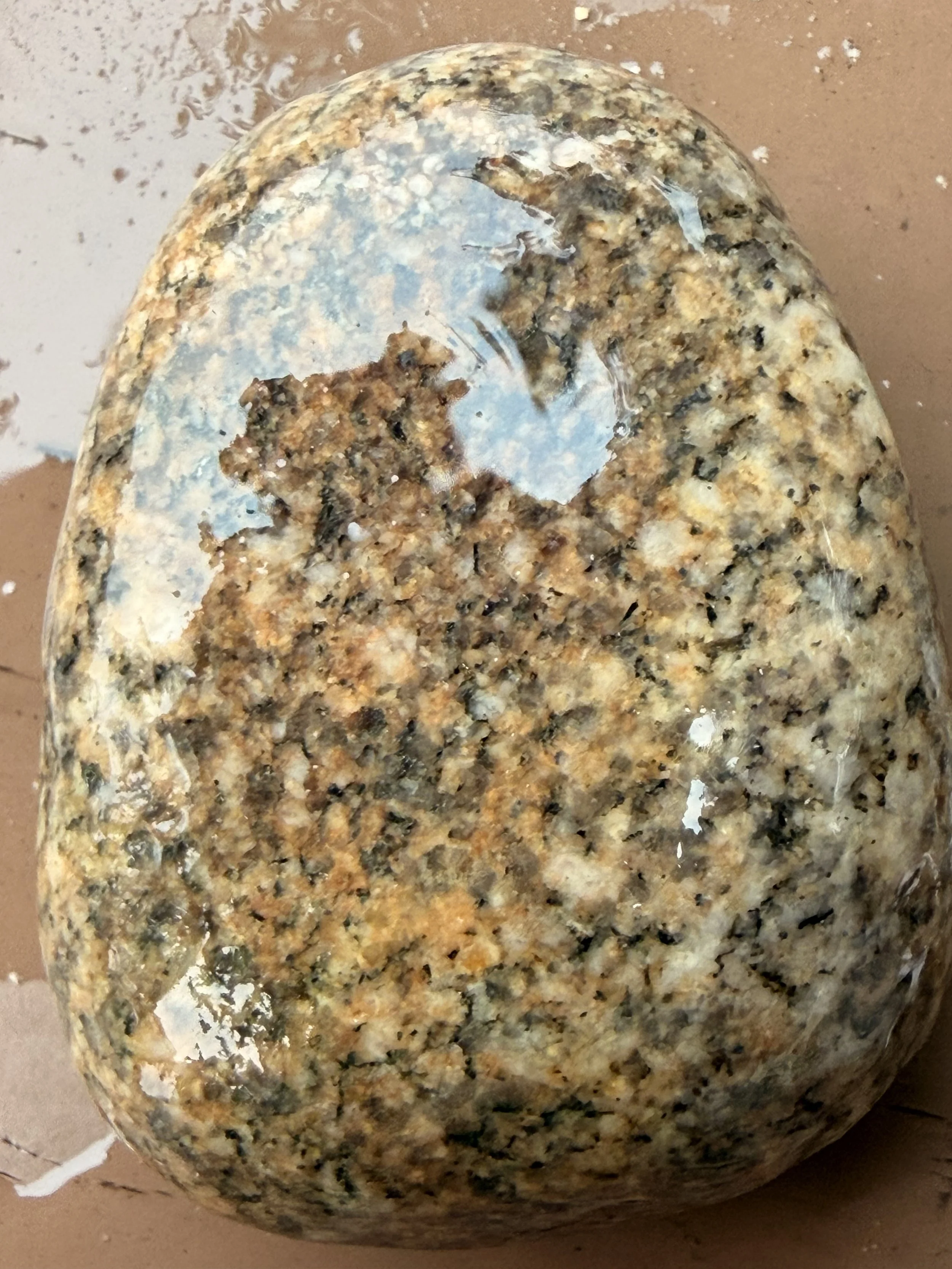
River Granite – Kettle River
Exceptional specimens of river-worn granite, left entirely in their natural state. These pieces carry the deep structural strength of the land they were born from.
Pulled from the Kettle River in Grand Forks, British Columbia. The Kettle River is a tributary of the great Columbia. Its waters travel south and east before joining the Columbia and continuing the long journey to the Pacific Ocean. This is a distinct watershed from those the mage has collected from before — a different river system that still answers to the same ocean mothers at the end of its path.
These stones come from the high-grade metamorphic and intrusive rocks of the Grand Forks Complex, a fault-bounded window of deep crustal material brought to the surface along the Kettle River fault system. They are the literal bones of this place — dense, crystalline, and forged under pressure.
Granite is a stone of structure, endurance, and ancestral strength. It anchors, stabilizes, and holds steady through intensity. The visible crystal clusters within these pieces add a quiet crystalline current to the dense body of the rock.
Over the past several months these stones have been included in multiple lunar workings and bound in rootwork by the mage. While they are not talismanic pieces in the formal astrological tradition, they have been magically charged and now carry her lunar current alongside their natural structural force.
Uncut. Unpolished. Still carrying the memory of deep earth and rushing water. The lunar charge binds them to ancestral lines and to the work of timeline-weaving and creation. The crystal clusters within hold and amplify the lunar current, carrying the deep secrets of the water and of the Moon herself.
Offered as individual ritual stones.
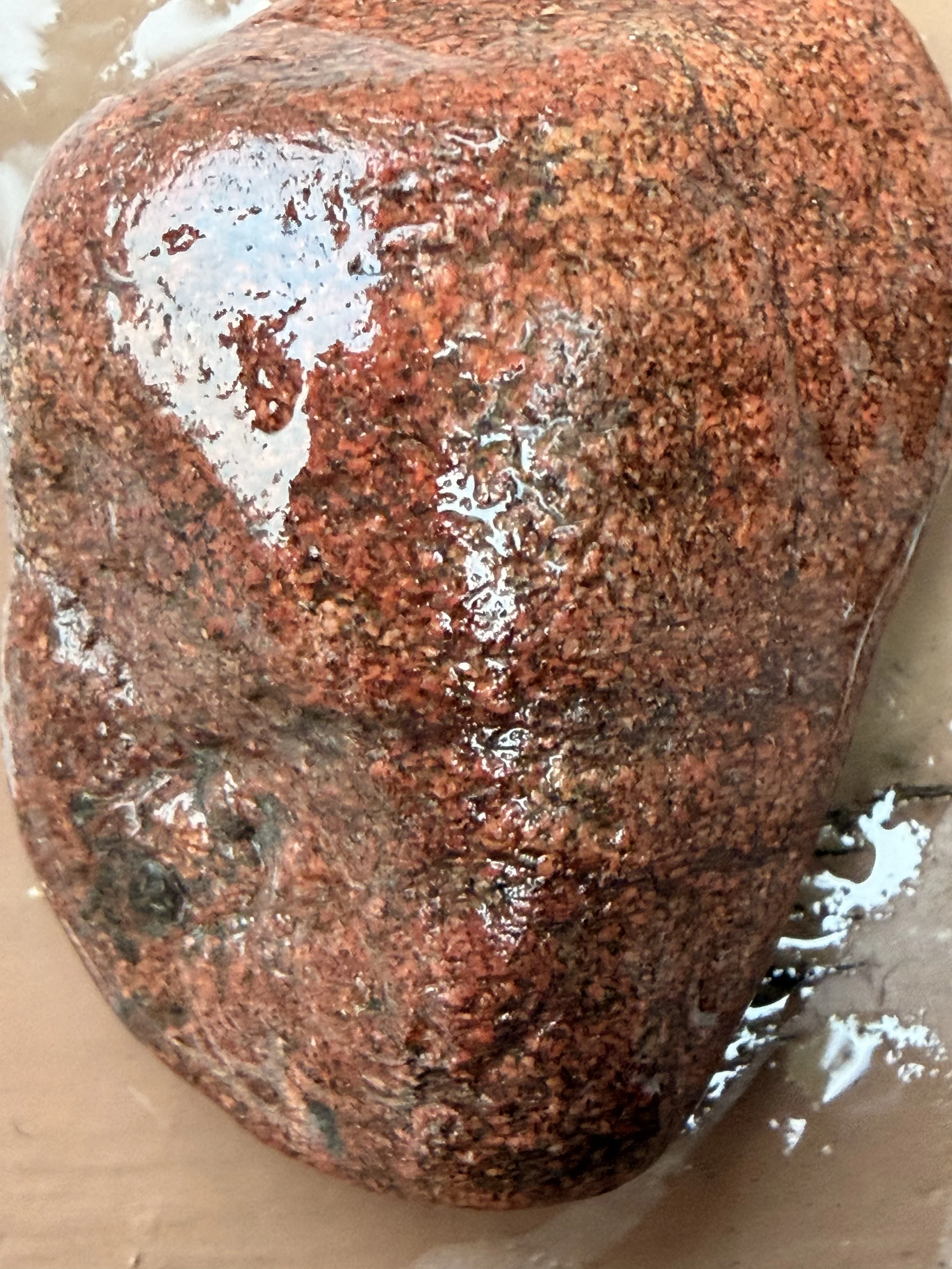
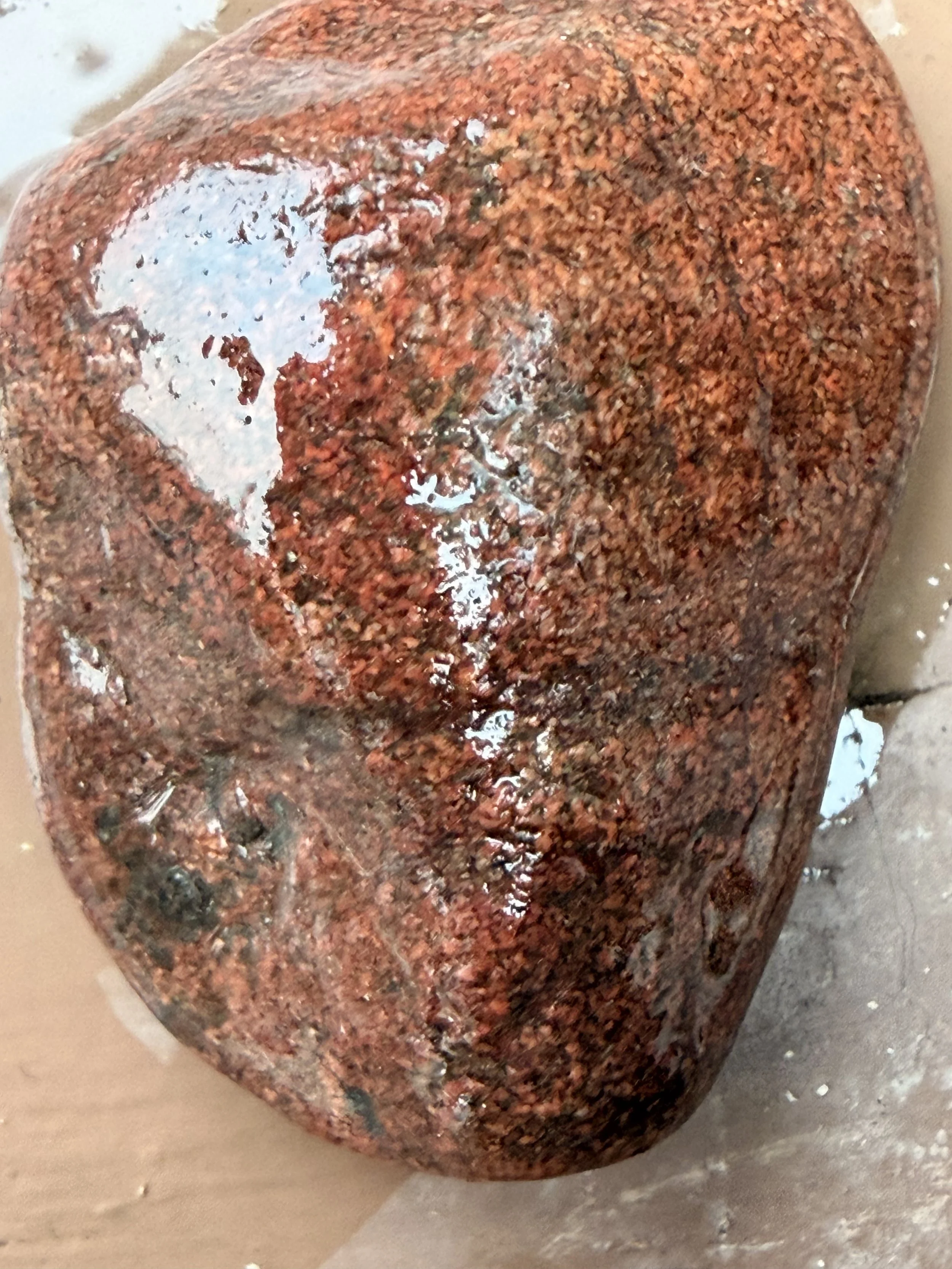
River Granite – Kettle River
Exceptional specimens of river-worn granite, left entirely in their natural state. These pieces carry the deep structural strength of the land they were born from.
Pulled from the Kettle River in Grand Forks, British Columbia. The Kettle River is a tributary of the great Columbia. Its waters travel south and east before joining the Columbia and continuing the long journey to the Pacific Ocean. This is a distinct watershed from those the mage has collected from before — a different river system that still answers to the same ocean mothers at the end of its path.
These stones come from the high-grade metamorphic and intrusive rocks of the Grand Forks Complex, a fault-bounded window of deep crustal material brought to the surface along the Kettle River fault system. They are the literal bones of this place — dense, crystalline, and forged under pressure.
Granite is a stone of structure, endurance, and ancestral strength. It anchors, stabilizes, and holds steady through intensity. The visible crystal clusters within these pieces add a quiet crystalline current to the dense body of the rock.
Over the past several months these stones have been included in multiple lunar workings and bound in rootwork by the mage. While they are not talismanic pieces in the formal astrological tradition, they have been magically charged and now carry her lunar current alongside their natural structural force.
Uncut. Unpolished. Still carrying the memory of deep earth and rushing water. The lunar charge binds them to ancestral lines and to the work of timeline-weaving and creation. The crystal clusters within hold and amplify the lunar current, carrying the deep secrets of the water and of the Moon herself.
Offered as individual ritual stones.
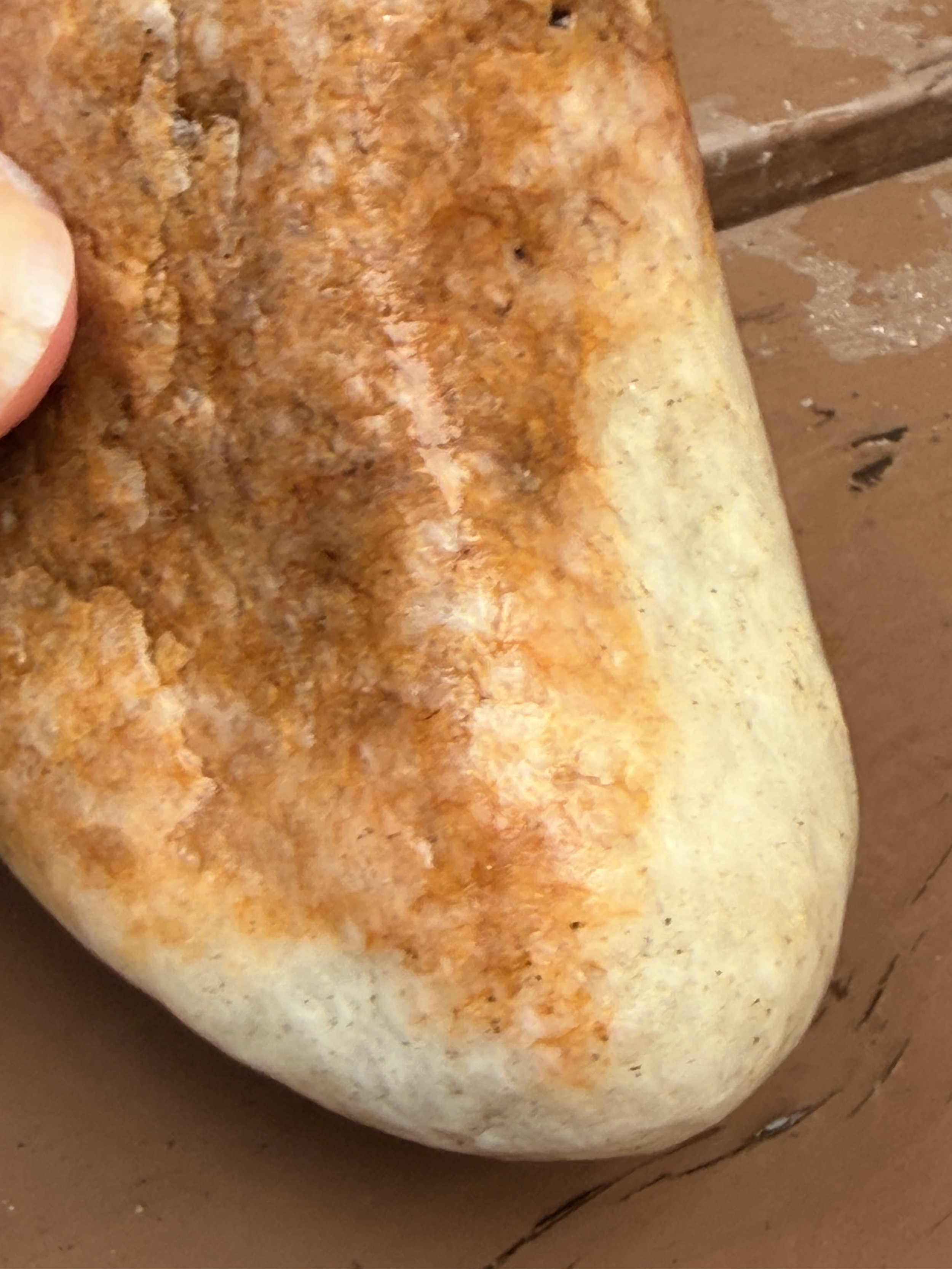
River Quartzite – Kettle River
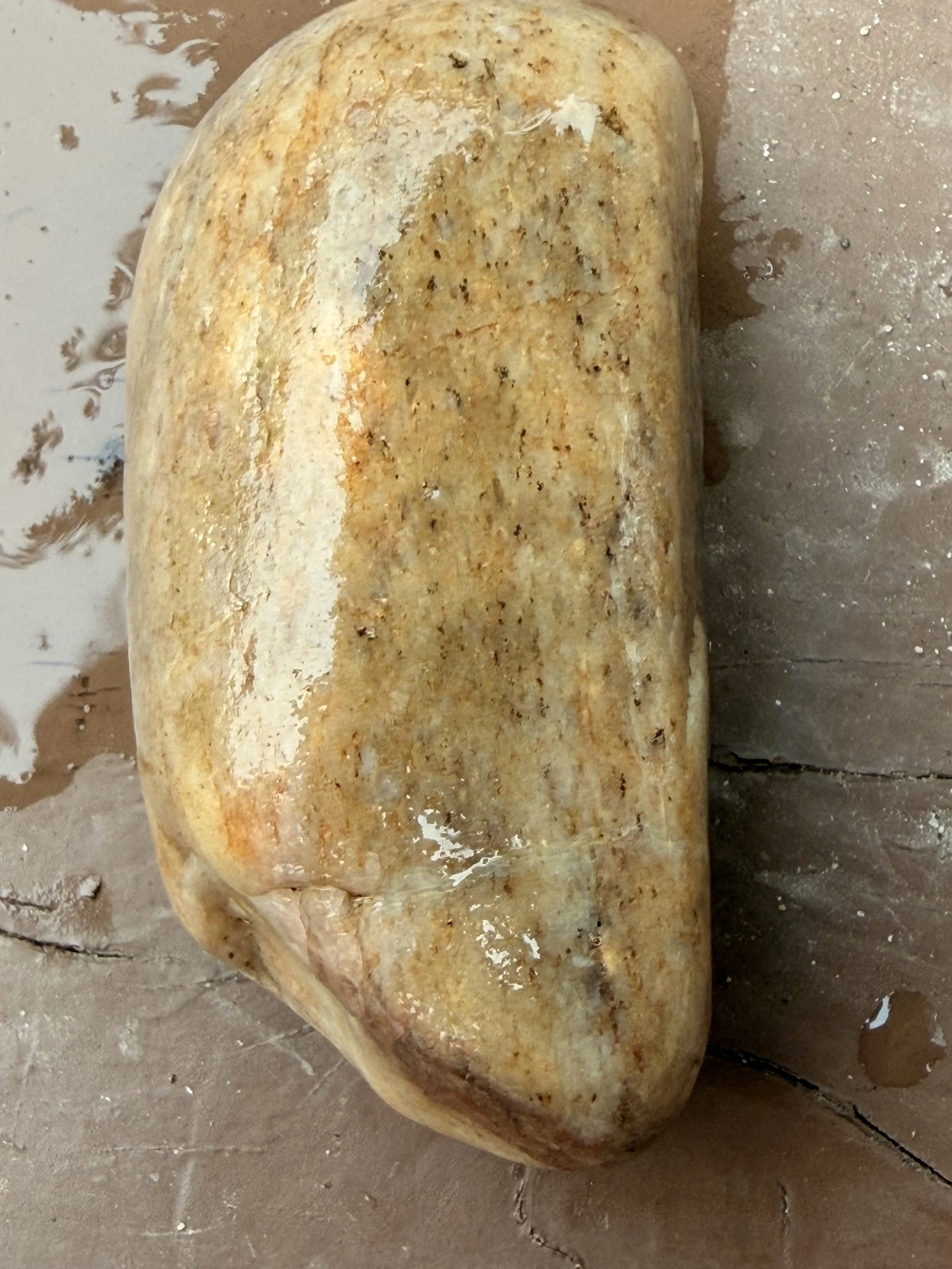
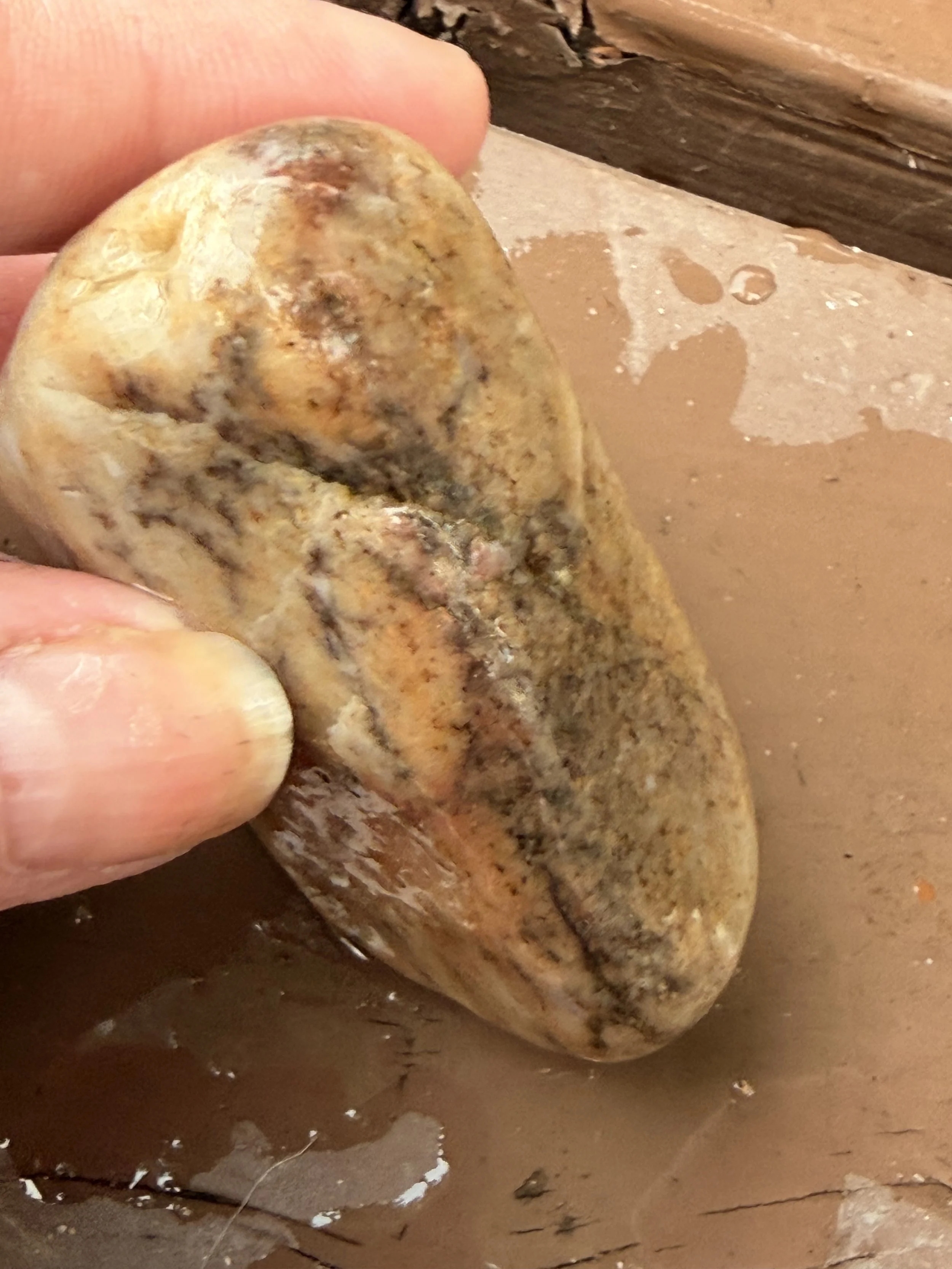
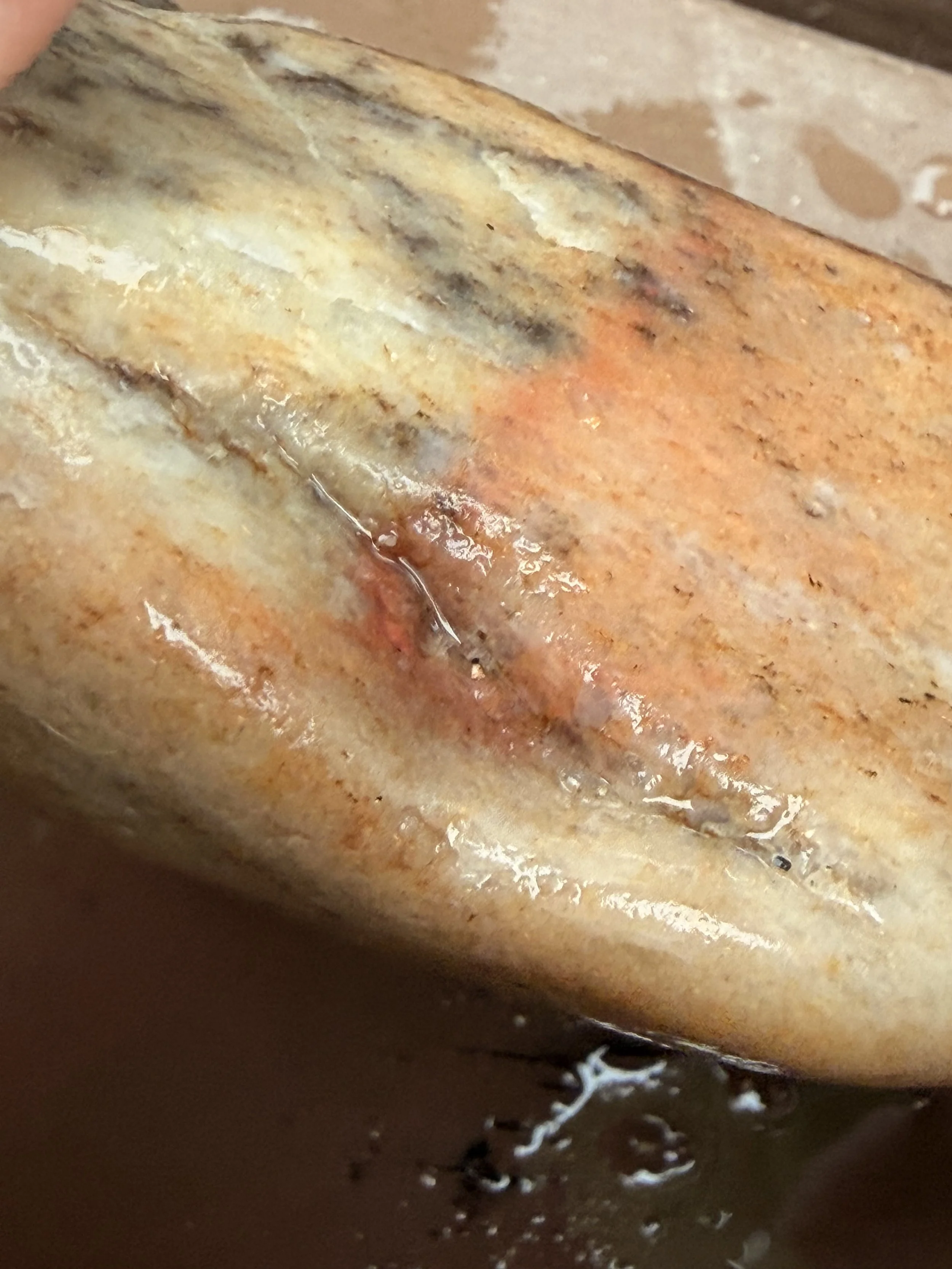
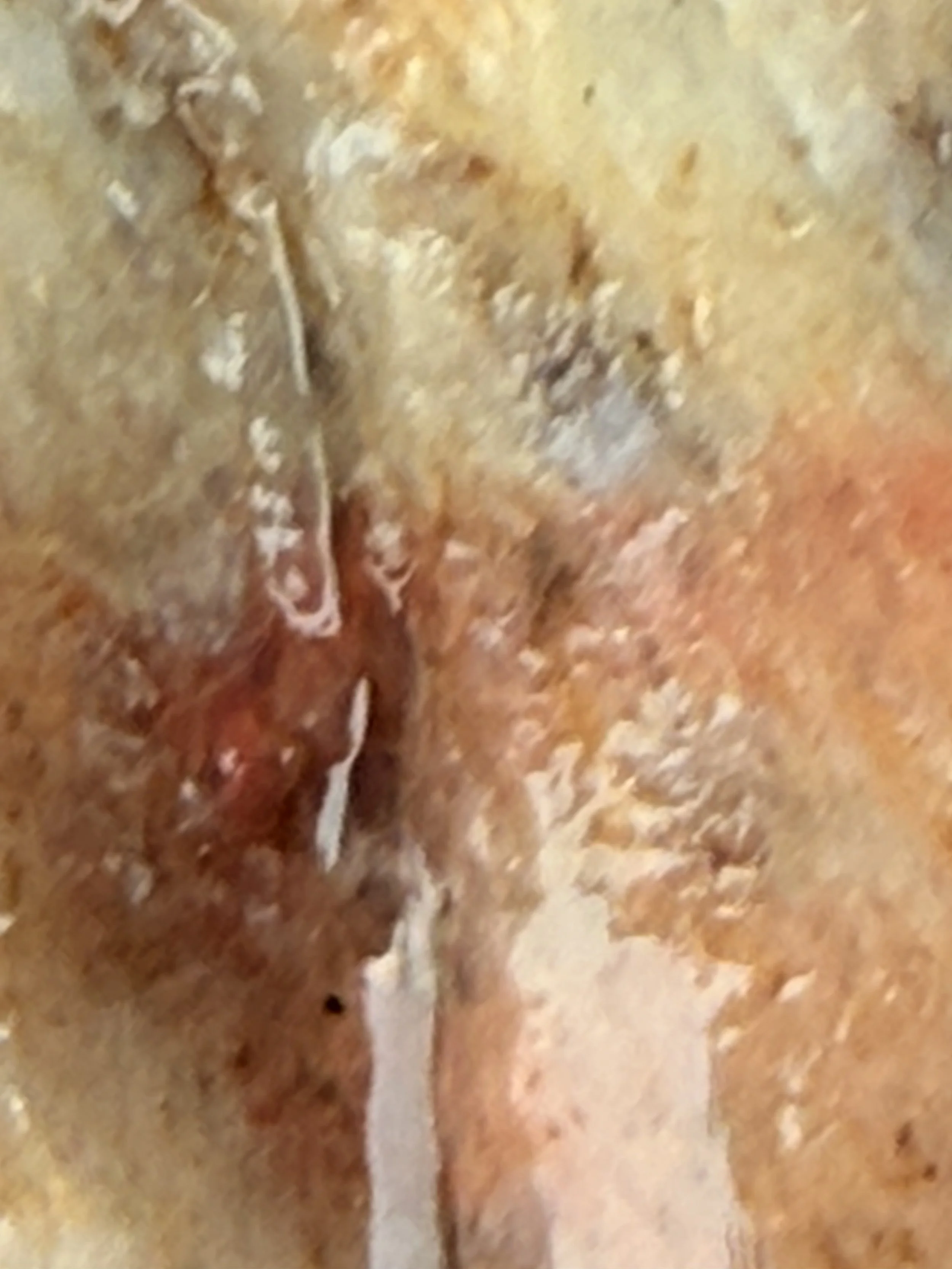
An elongated, river-worn quartzite with soft creamy-to-beige body and rich pink-to-red iron staining that runs through the surface and into the stone. The form is long and tapered, smooth from the water, with subtle linear banding still visible beneath the colour.
Pulled from the Kettle River in Grand Forks, British Columbia. The Kettle River is a tributary of the great Columbia. Its waters travel south and east before joining the Columbia and continuing the long journey to the Pacific Ocean. This is a distinct watershed from those the mage has collected from before — a different river system that still answers to the same ocean mothers at the end of its path.
Quartzite is pure, dense, and clarifying. It amplifies and steadies whatever current it is given. The strong pink-red iron staining adds a quiet warmth and vitality without dulling the stone’s clarity. The colour is staining rather than a separate mineral, yet it has soaked deep enough to become part of the stone’s character.
Over the past several months this stone has been included in multiple lunar workings and bound in rootwork by the mage. While it is not a talismanic piece in the formal astrological tradition, it has been magically charged and now carries her lunar current.
Uncut. Unpolished. Still carrying the memory of the river, the lunar workings, the wave-maidens, and the quiet clarifying fire of quartz.
Offered as an individual ritual stone.
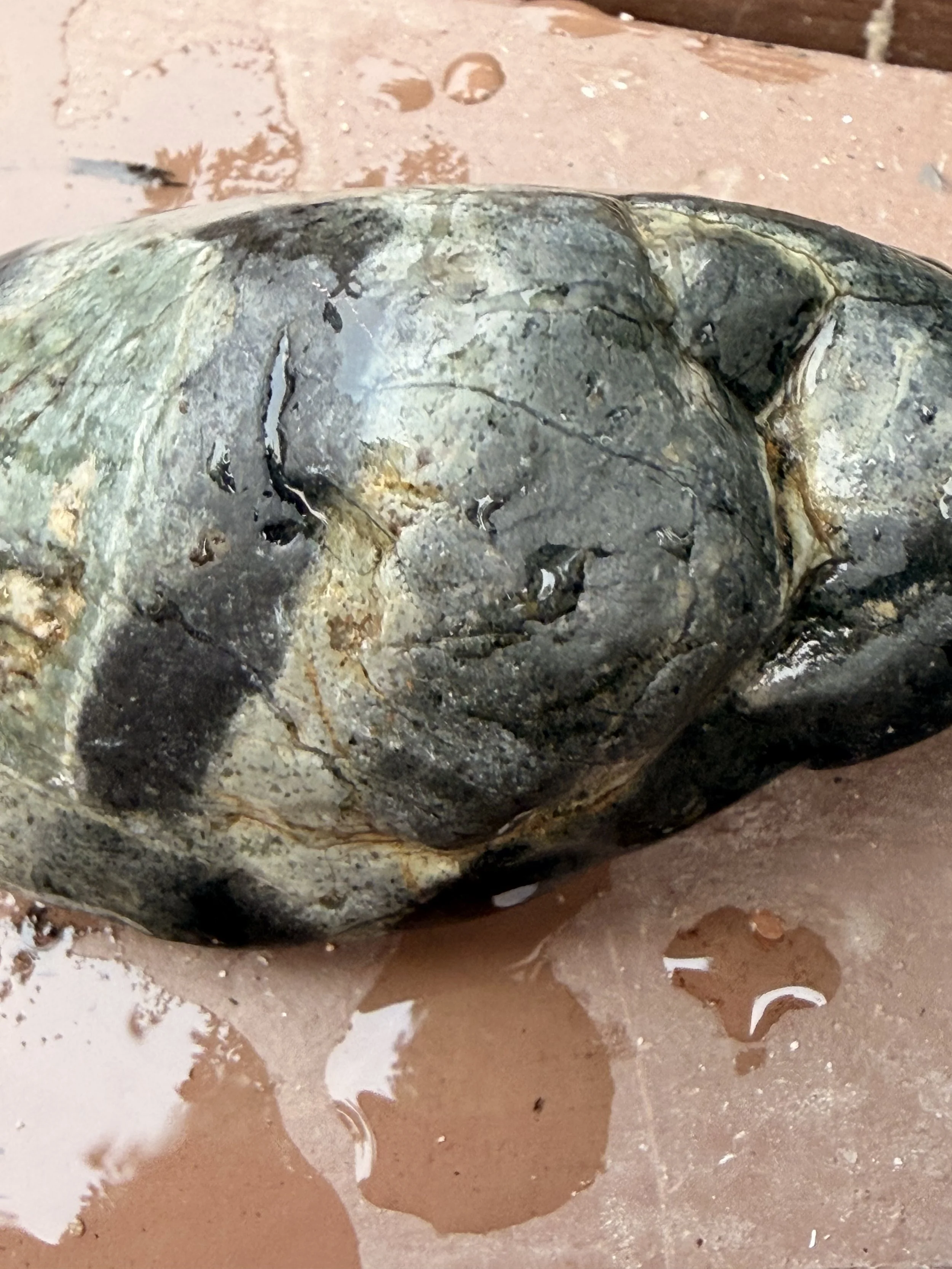
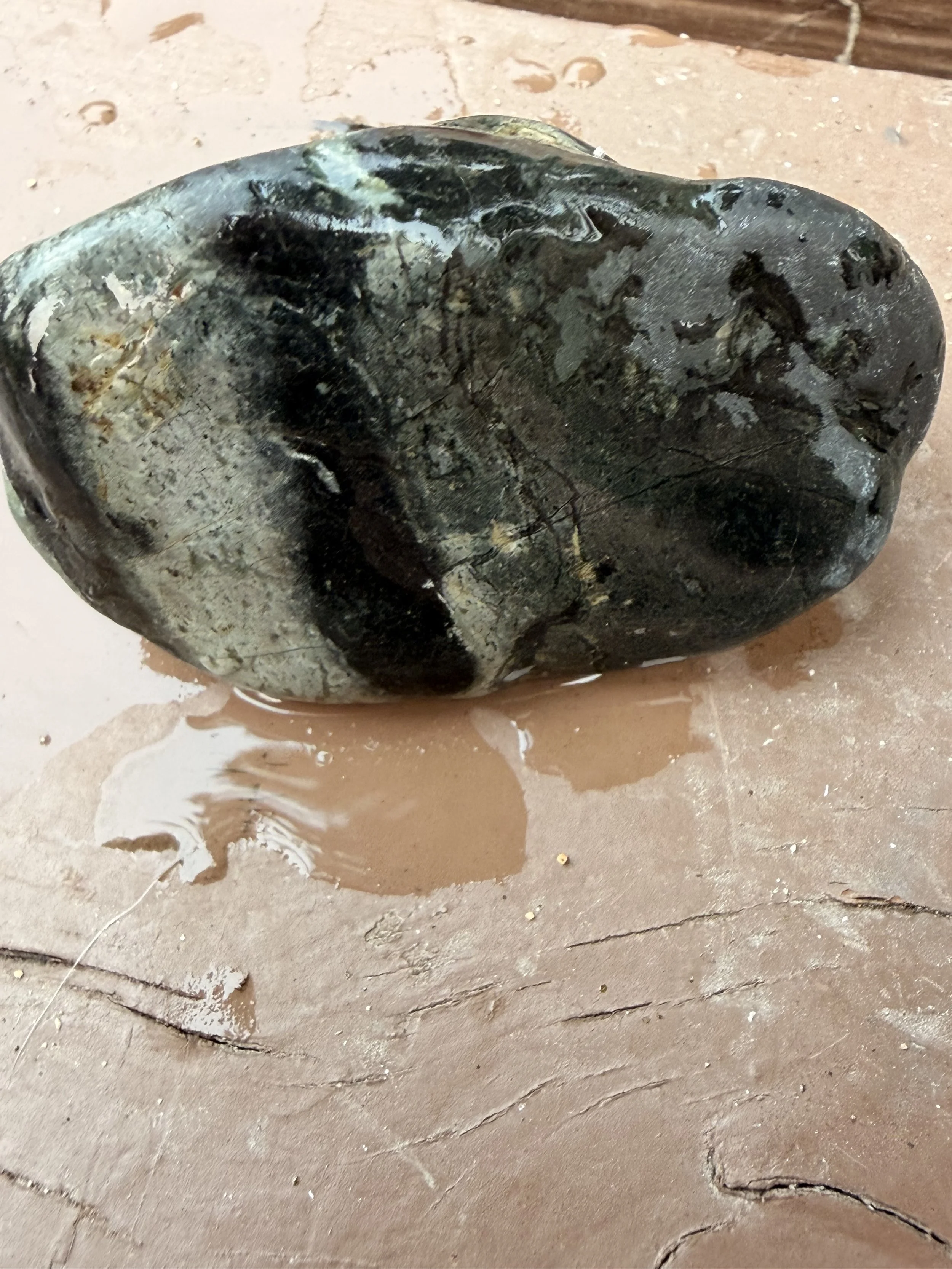
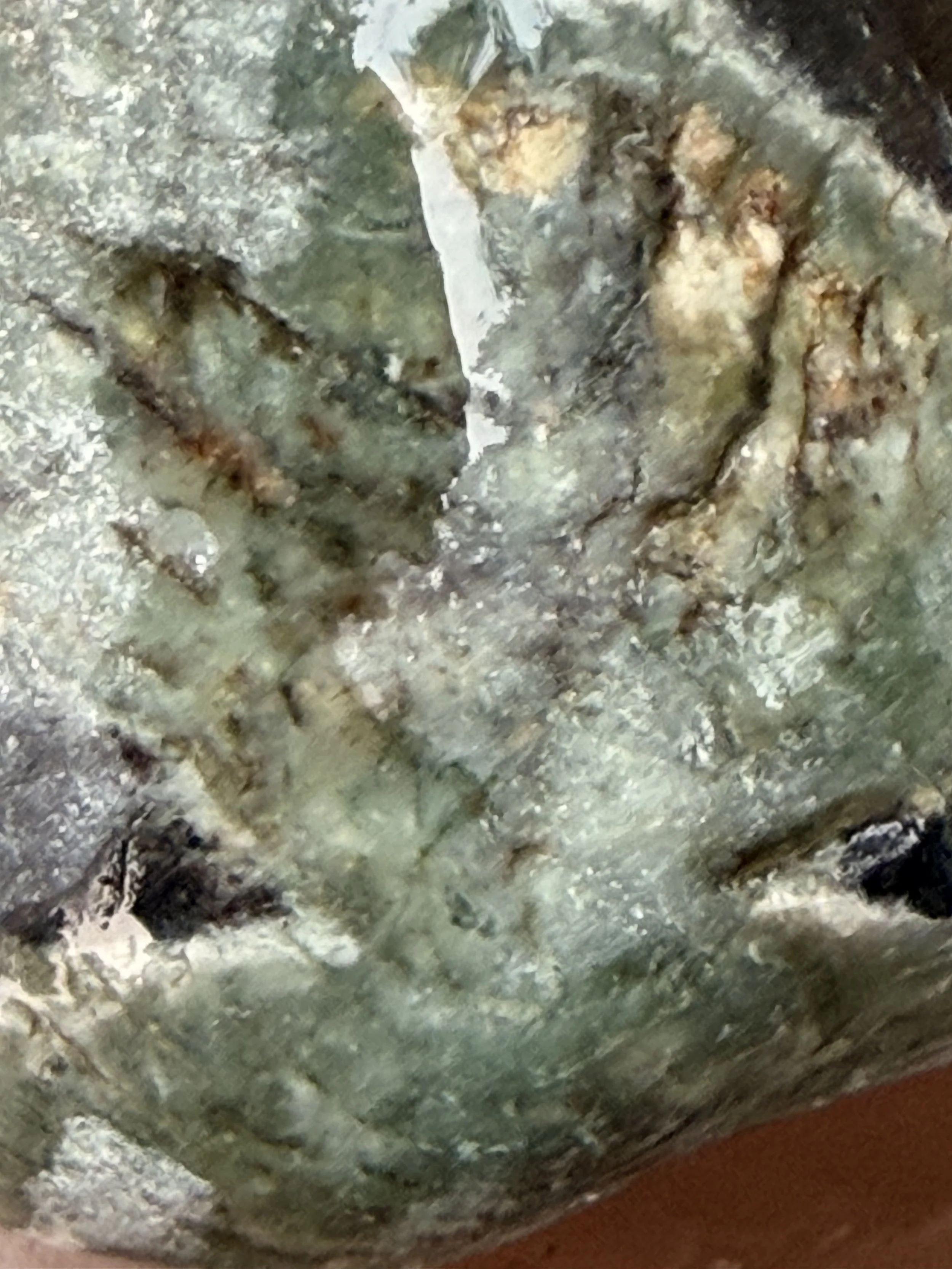
Mermaid Hematite Banded Serpentine – Kettle River
A substantial piece of river-worn banded serpentine, smooth and dense in the hand, showing soft green-to-gray layers that shift as the light moves across the surface. In places the darker banding has a subtle metallic quality that strongly suggests hematite.
Pulled from the Kettle River in Grand Forks, British Columbia. The Kettle River is a tributary of the great Columbia. Its waters travel south and east before joining the Columbia and continuing the long journey to the Pacific Ocean. This is a distinct watershed from those the mage has collected from before — a different river system that still answers to the same ocean mothers at the end of its path.
Serpentine is the stone of the serpent — the old Snake Goddess, the coiled chthonic feminine, the power that lives in the deep earth and in the blood. It soothes, protects, and carries a quiet, ancient wisdom. When hematite is present within it, the current becomes more specific and more formidable. Hematite is iron, blood, and the martial force that fortifies. Together they form a natural alliance: the serpent who also carries the blood-memory and the protective gaze. This is the current of Medusa — serpent-haired, iron-willed, able to turn the hostile eye back upon itself. The combination of serpentine and hematite is one of the cleanest earthly expressions of that power.
This stone has been included in lunar workings and bound in rootwork by the mage. While it is not a talismanic piece in the formal astrological tradition, it has been magically charged and now carries her lunar current.
Uncut. Unpolished. Still carrying the river, the lunar charge, the serpent, and the iron blood of the deep earth.
Offered as an individual ritual stone.
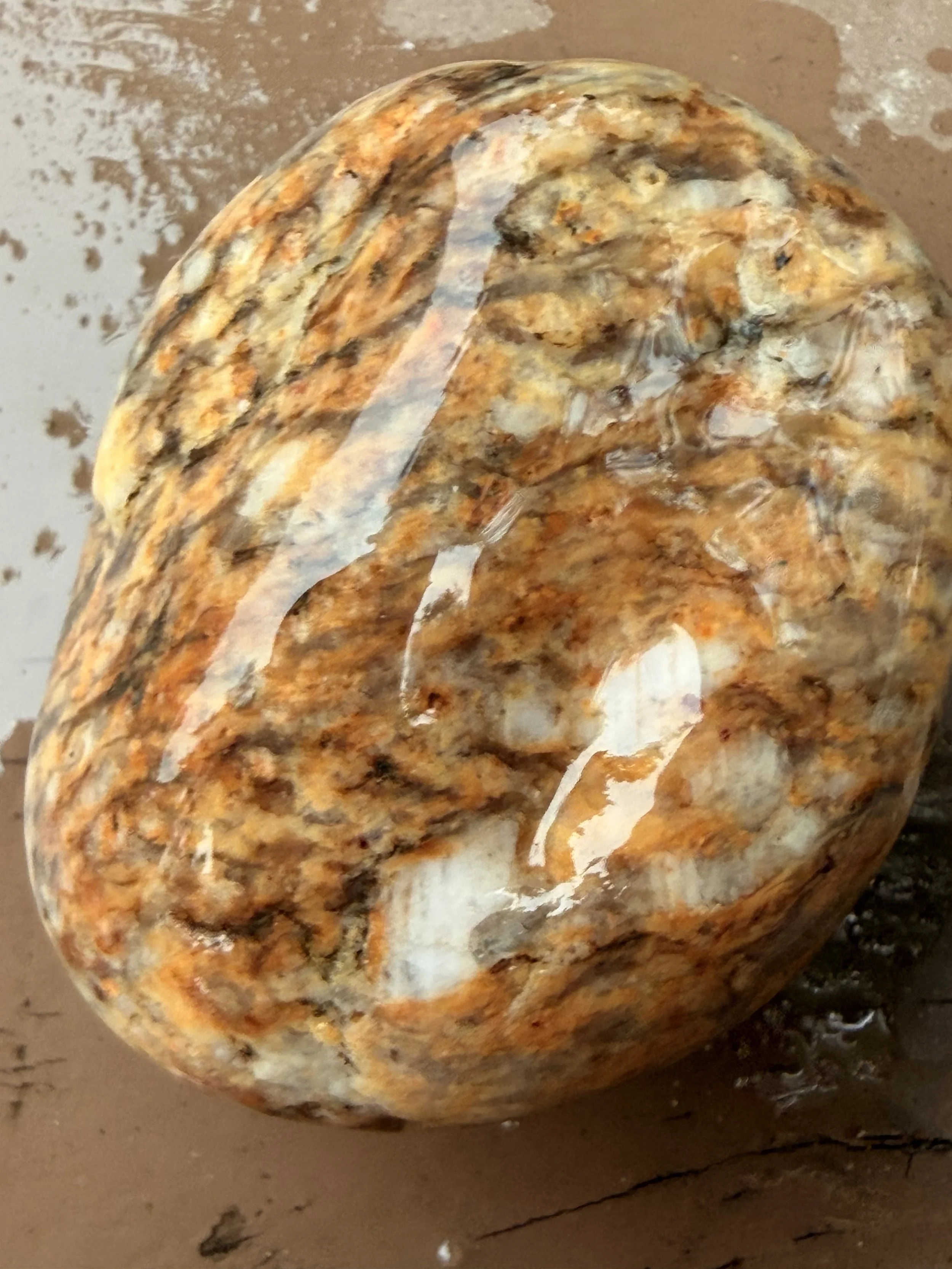
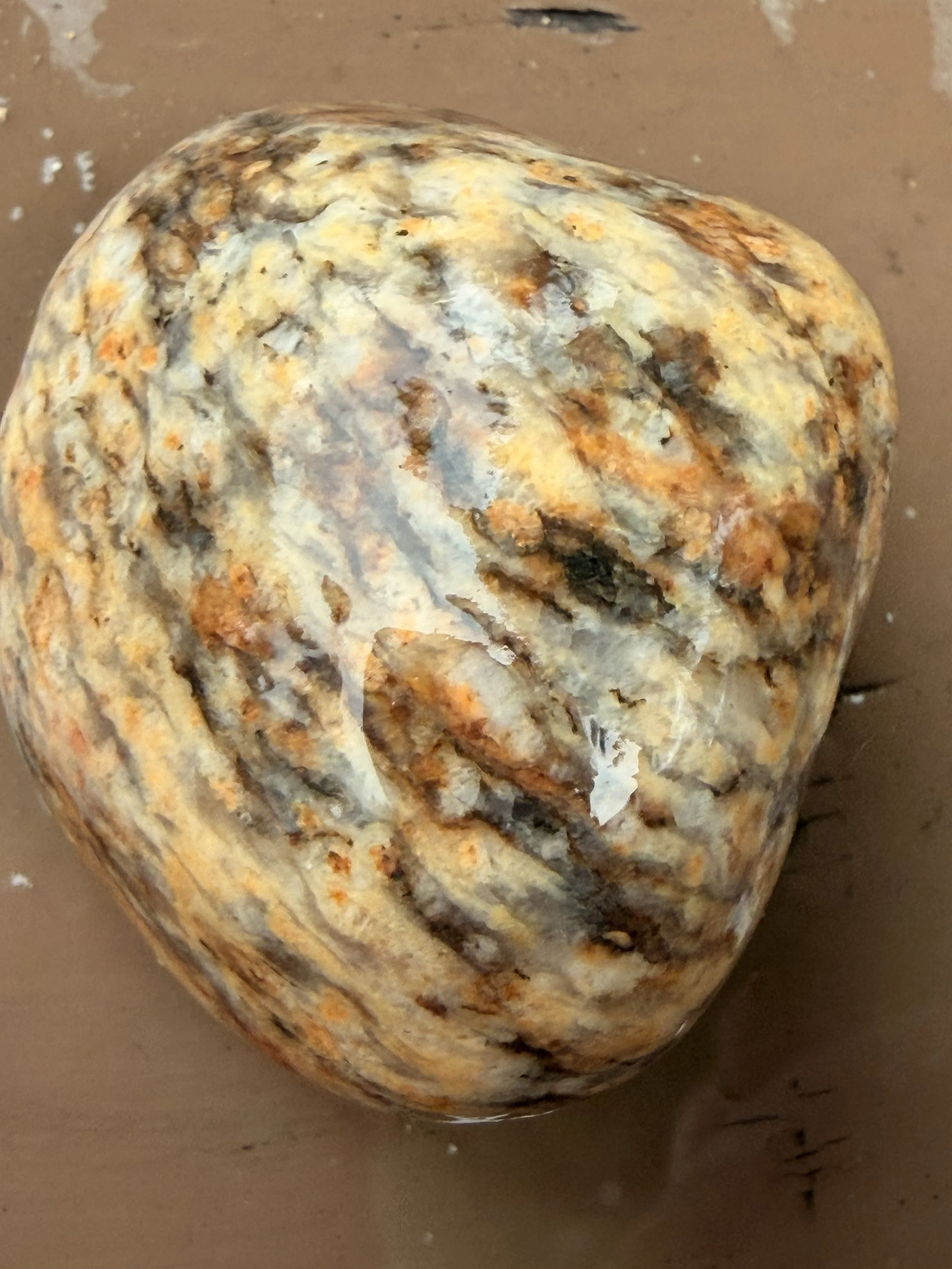
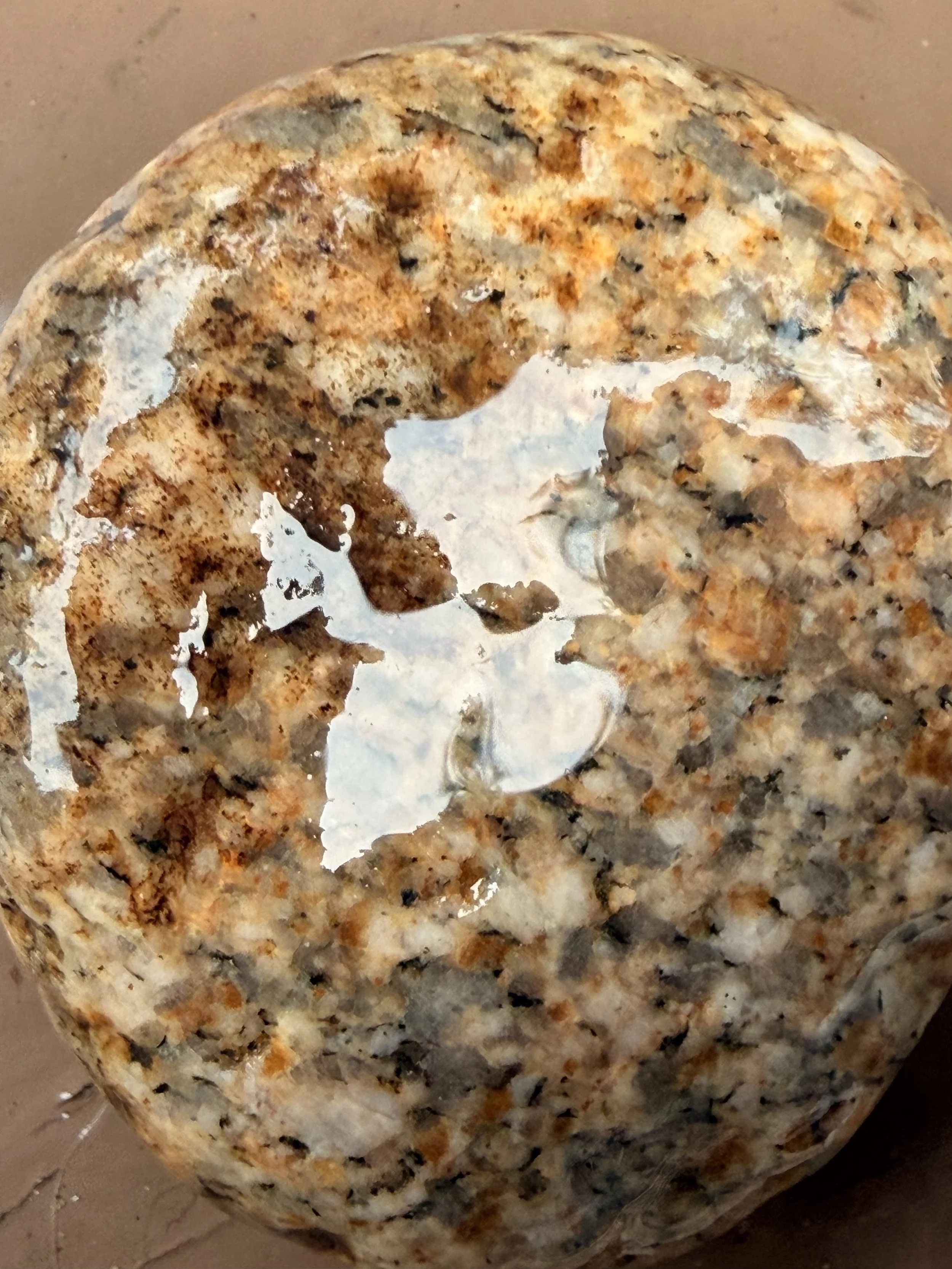
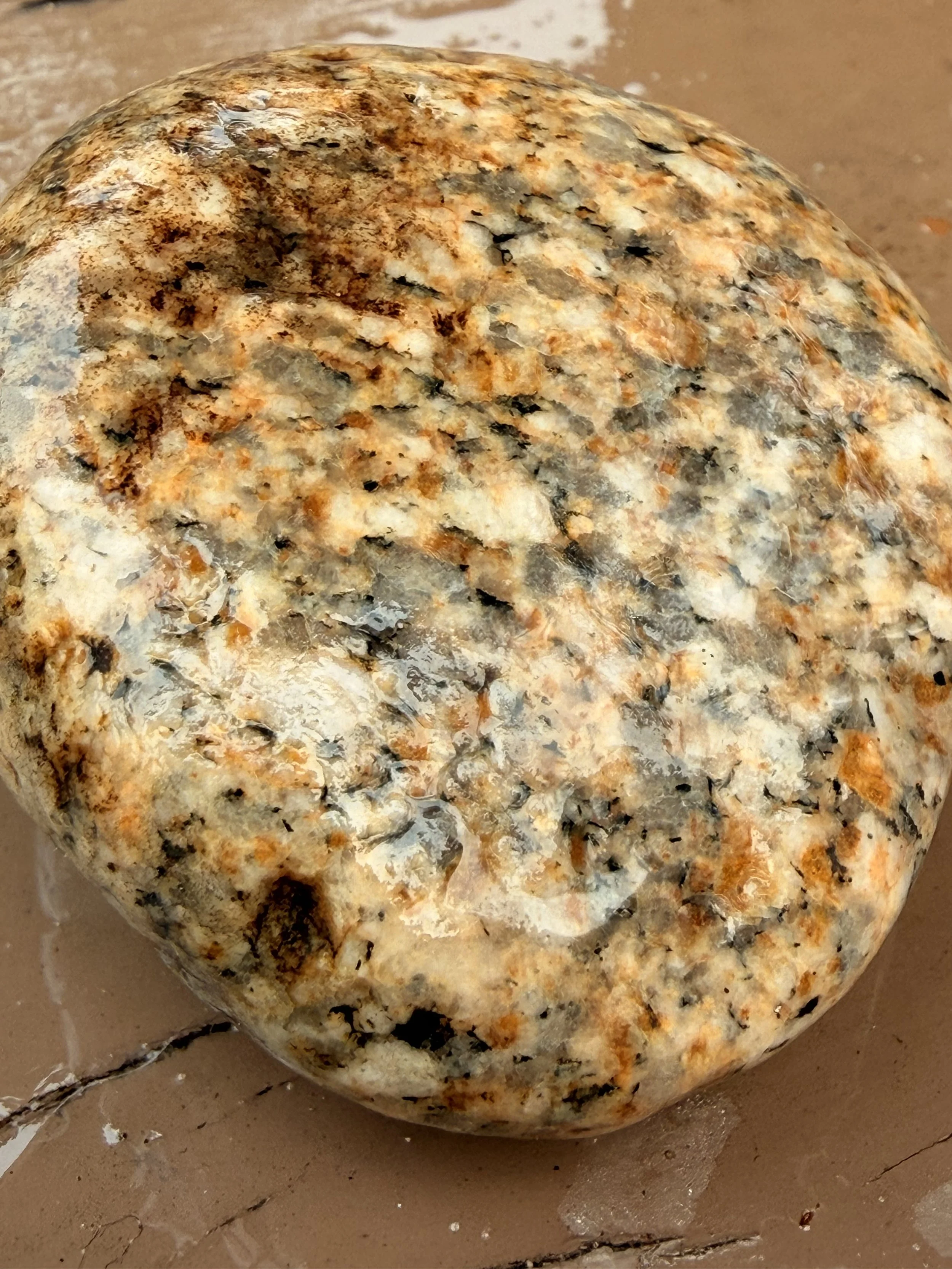
Lunar River Granite – Kettle River
A dense, river-worn granite showing warm iron staining across the surface and clear crystal inclusions within the body of the stone. The form is solid and grounded, with the natural weight and presence that only deep crustal rock carries.
Pulled from the Kettle River in Grand Forks, British Columbia. The Kettle River is a tributary of the great Columbia. Its waters travel south and east before joining the Columbia and continuing the long journey to the Pacific Ocean. This is a distinct watershed from those the mage has collected from before — a different river system that still answers to the same ocean mothers at the end of its path.
Granite is the bone of the land. It is structure, endurance, and ancestral strength. It anchors, stabilizes, and holds steady through intensity. The iron staining that marks this piece is not mere discoloration — iron is blood, protection, and fortification. Combined with the visible crystal inclusions, the stone carries both the deep architectural force of the earth and a quieter crystalline current that can hold and amplify the work placed into it.
This stone has been included in lunar workings and bound in rootwork by the mage. While it is not a talismanic piece in the formal astrological tradition, it has been magically charged and now carries her lunar current alongside its natural structural power. The mage holds living relationship with Rán and her nine daughters, the wave-maidens of the North. In the old lore, Rán is the goddess who casts her net across the sea and claims those who drown. Her name carries the sense of robbery or taking — she does not ask. Those she takes are received into the hall she shares with Ægir beneath the waves, where the drowned are guests at the feasts. Gold was sometimes carried into the water so that one would not arrive empty-handed at her table. The hospitality of that hall is legendary; the drowned continue there as guests under her claim.
In this there is a striking parallel with Freyja: both are hostesses of the dead and keepers of great halls of feasting. The difference lies mainly in the selection. Freyja chooses from those who fall in battle and have not drowned; Rán takes those the sea itself claims. Both receive, both host, both feast the dead under their own right.
Uncut. Unpolished. Still carrying the deep earth, the iron, the river, and the lunar charge.
Offered as an individual ritual stone.
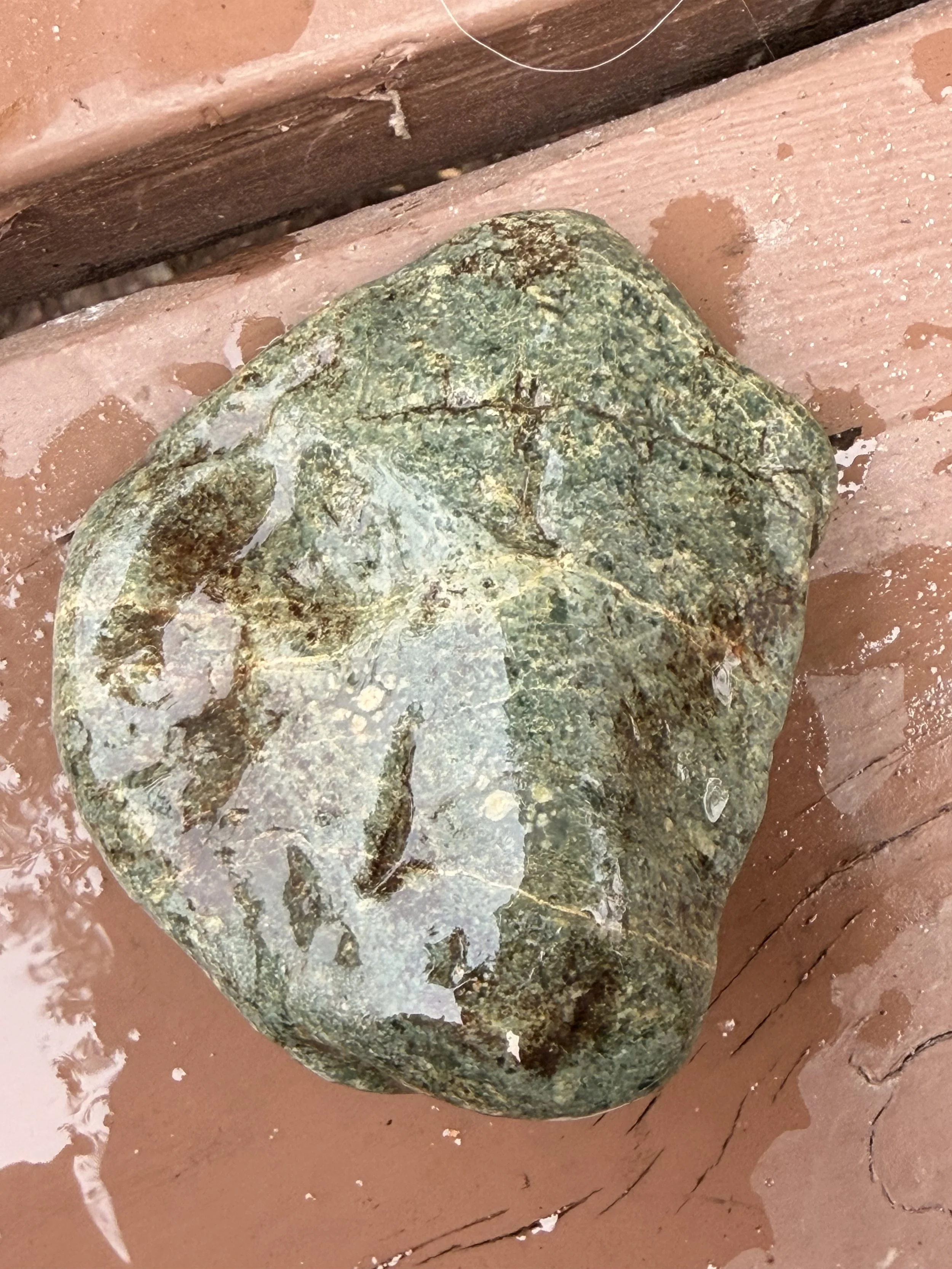
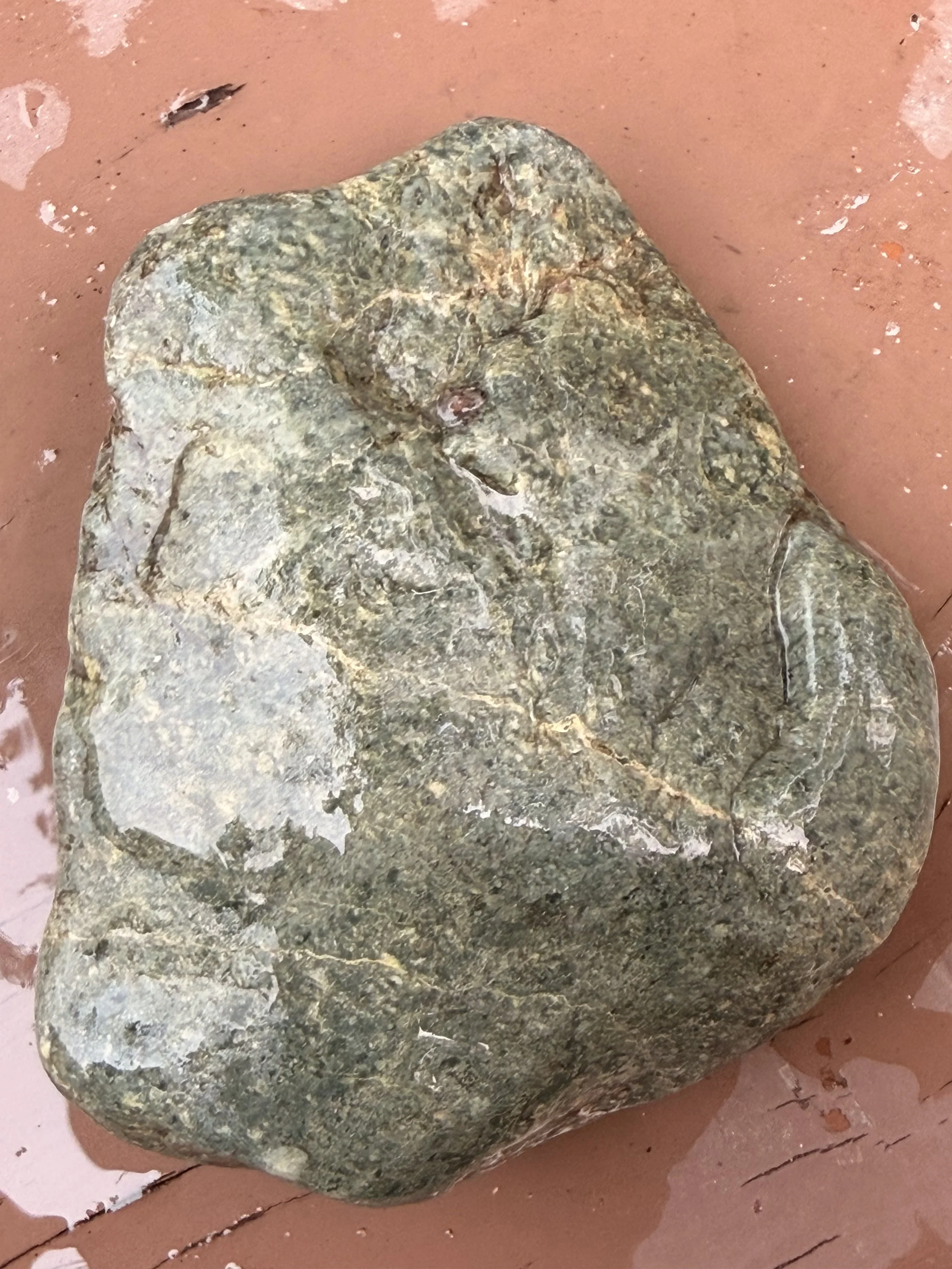
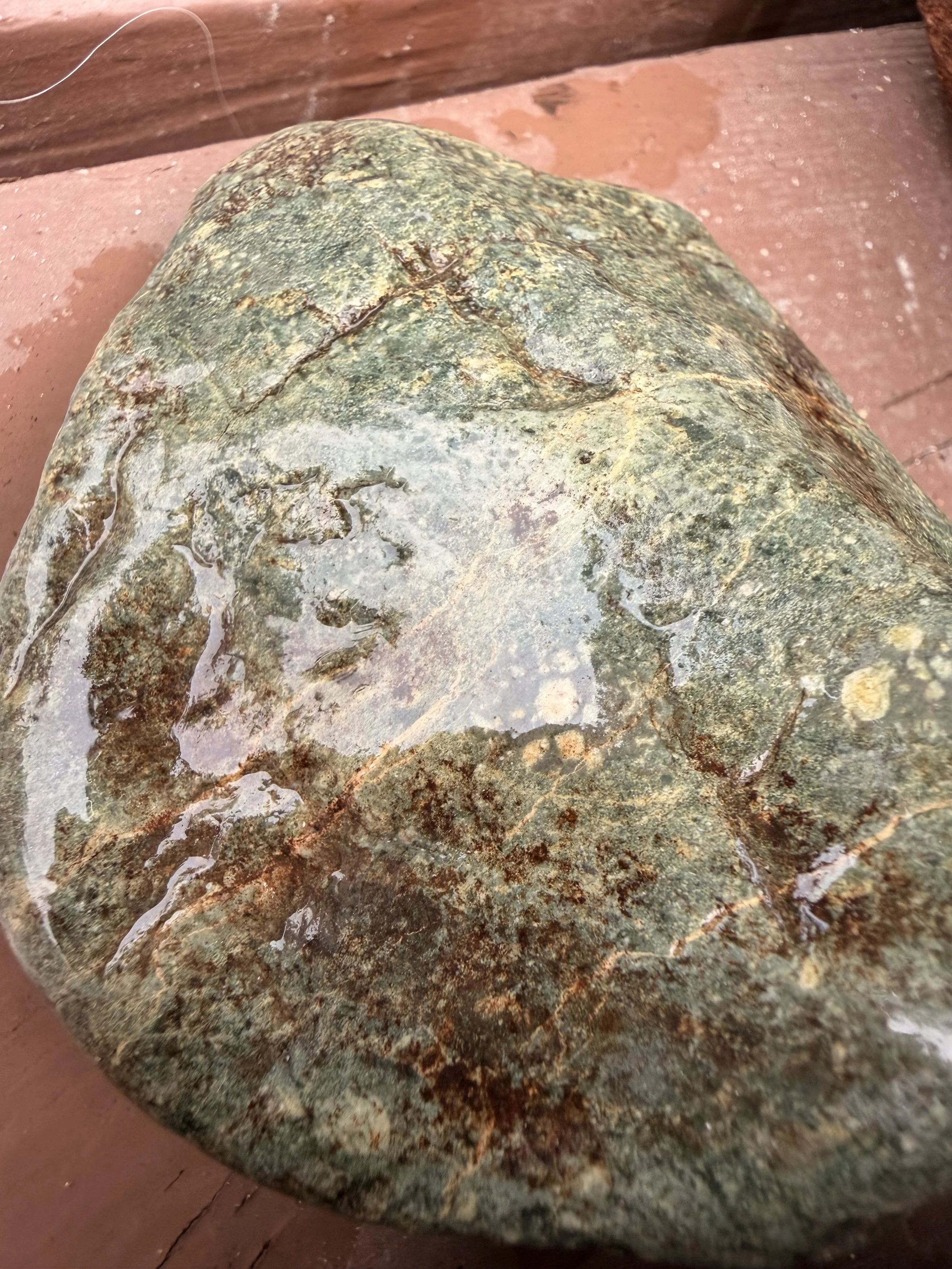
Serpentine with Quartz Vein – Kettle River
A smooth, river-worn serpentine showing soft green-to-gray tones and a clear quartz vein running through the stone. The surface is calm and polished by the water, with the quartz providing a quiet line of light and clarity within the denser body.
Pulled from the Kettle River in Grand Forks, British Columbia. The Kettle River is a tributary of the great Columbia. Its waters travel south and east before joining the Columbia and continuing the long journey to the Pacific Ocean. This is a distinct watershed from those the mage has collected from before — a different river system that still answers to the same ocean mothers at the end of its path.
Serpentine carries the old green current of the deep earth — soothing, protective, and quietly wise. The quartz vein softens and clarifies that current, bringing a more lunar, receptive quality to the stone. Together they create a gentle but steady presence.
This stone has been included in lunar workings and bound in rootwork by the mage. While it is not a talismanic piece in the formal astrological tradition, it has been magically charged and now carries her lunar current.
Uncut. Unpolished. Still carrying the river, the lunar charge, and a softer green presence.
Offered as an individual ritual stone.
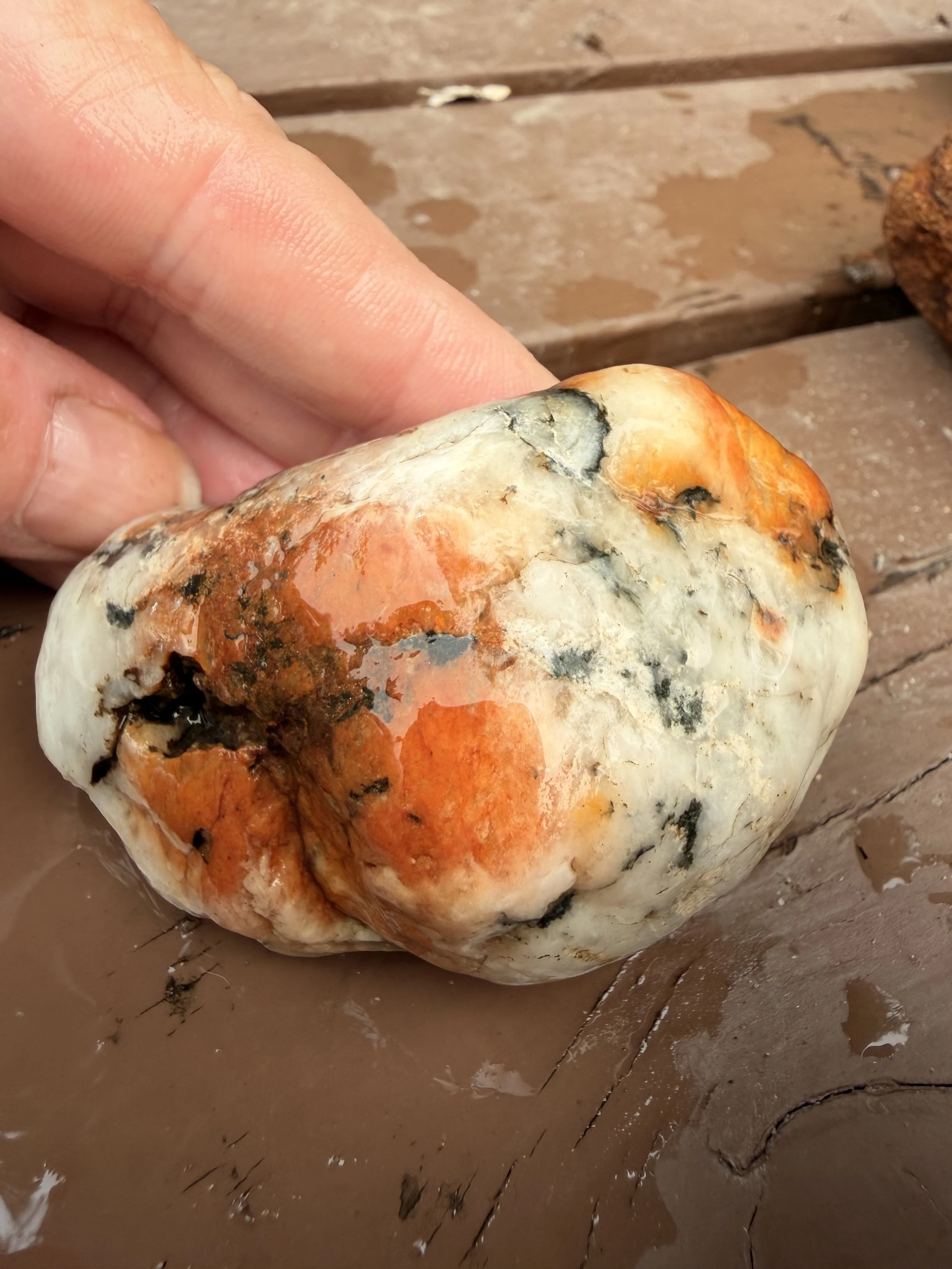
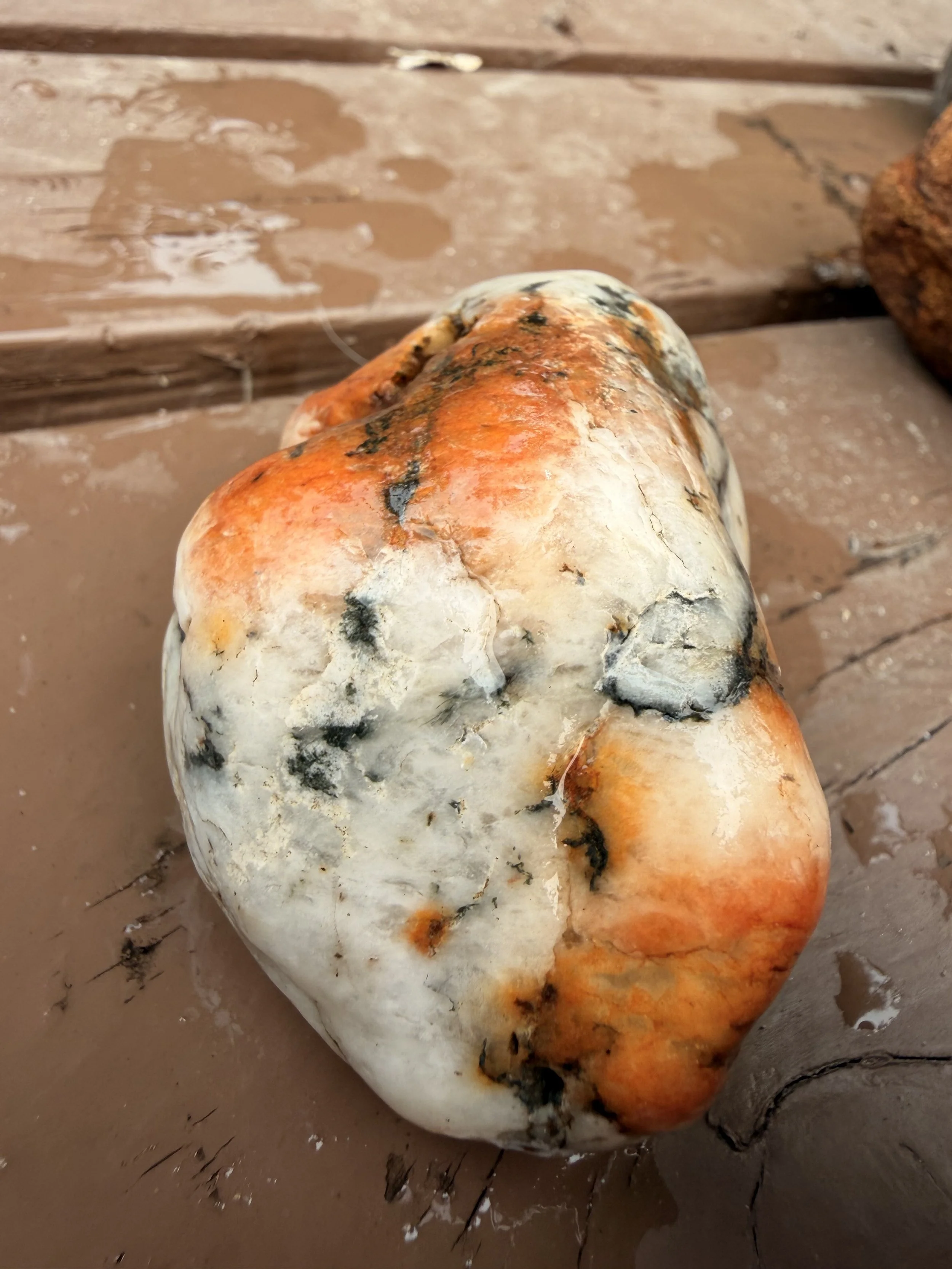
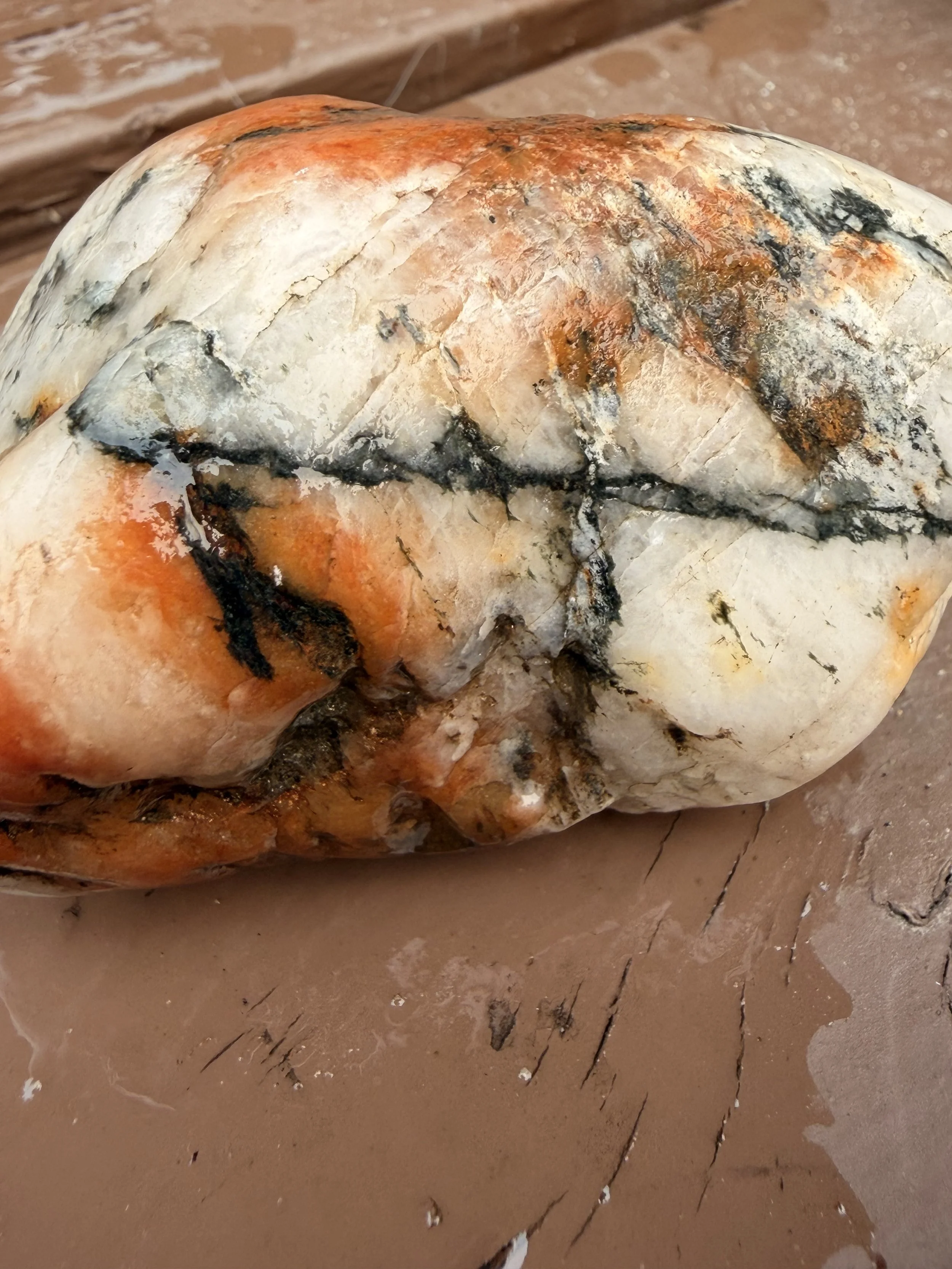
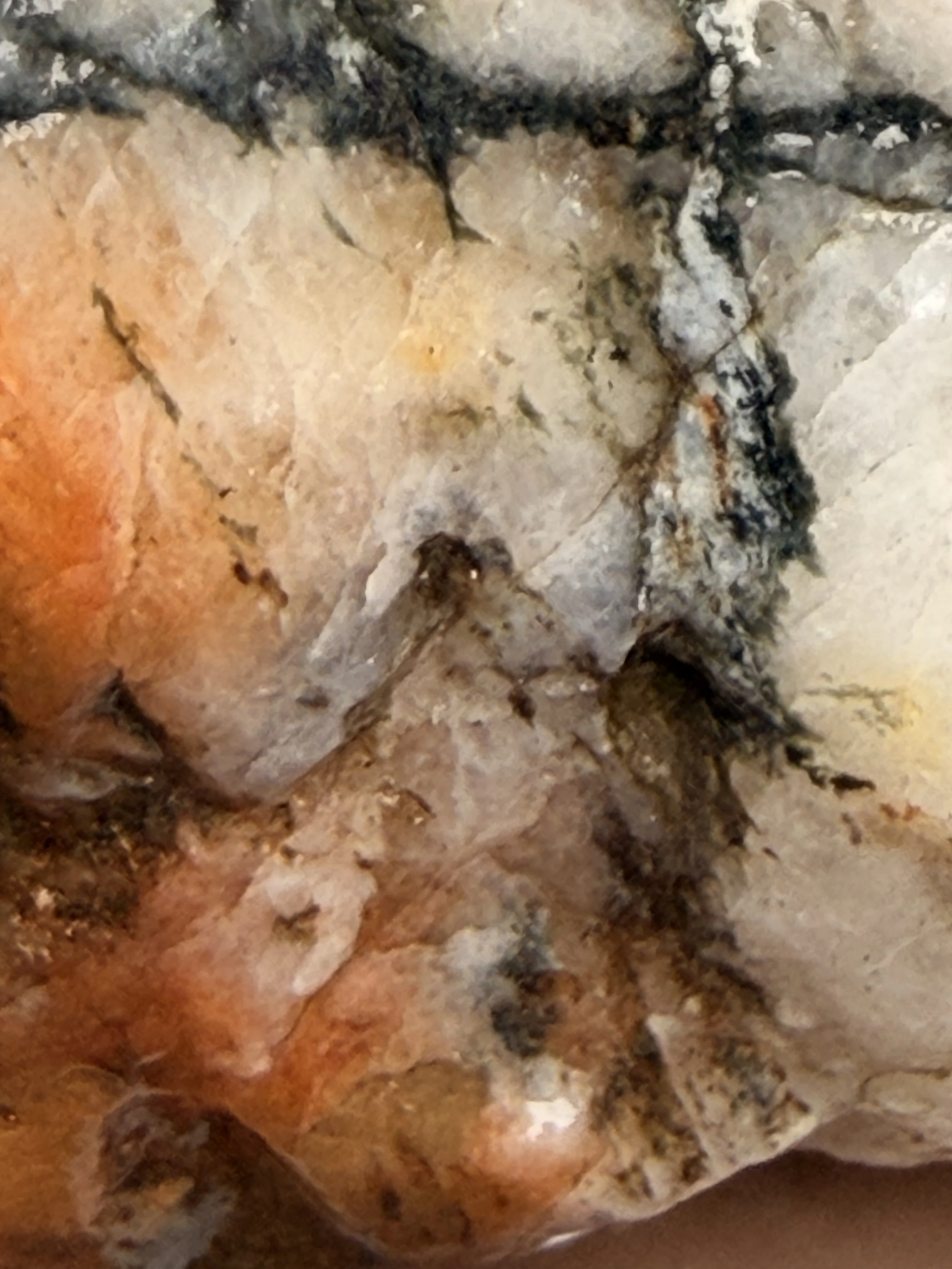
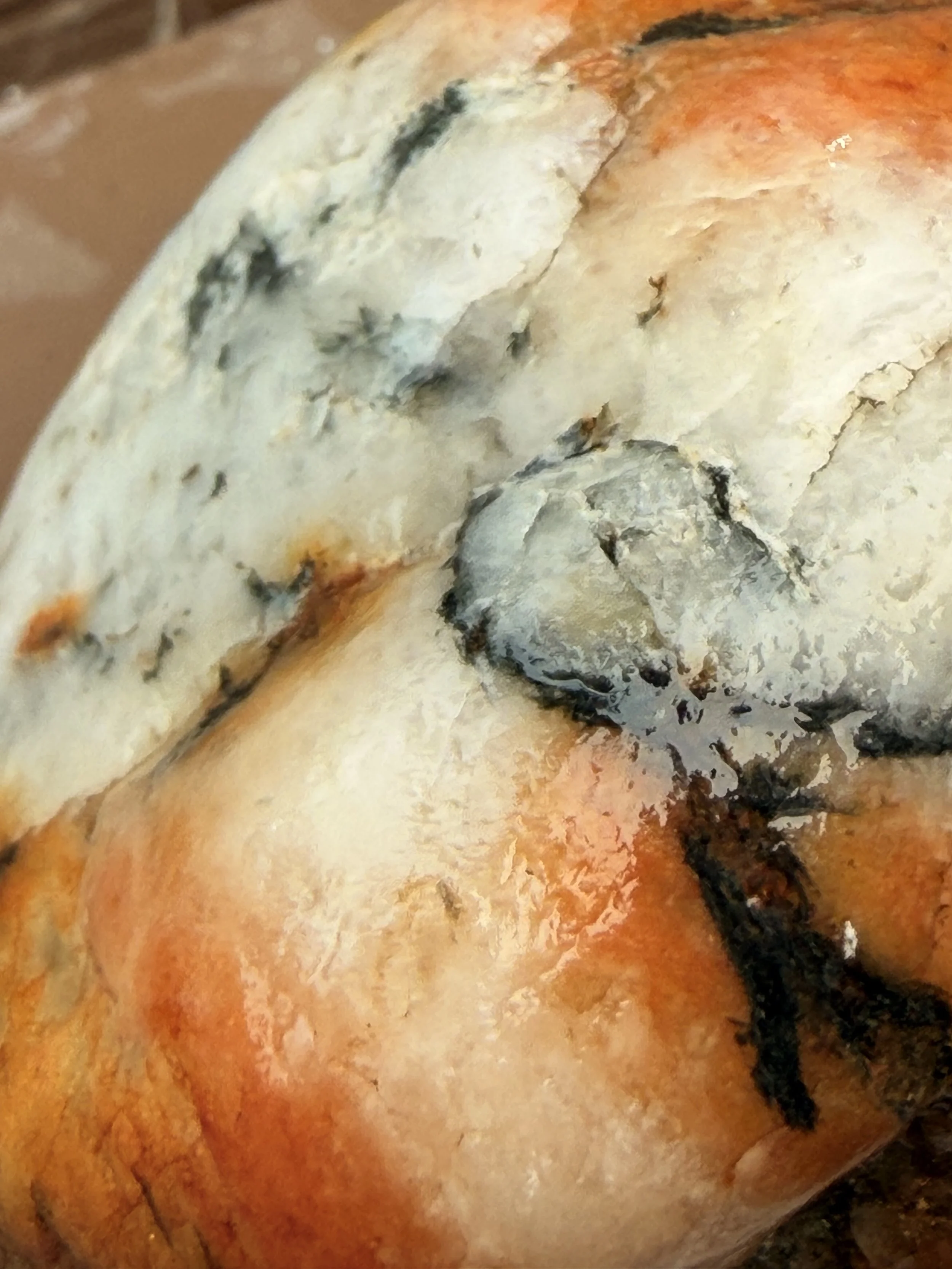
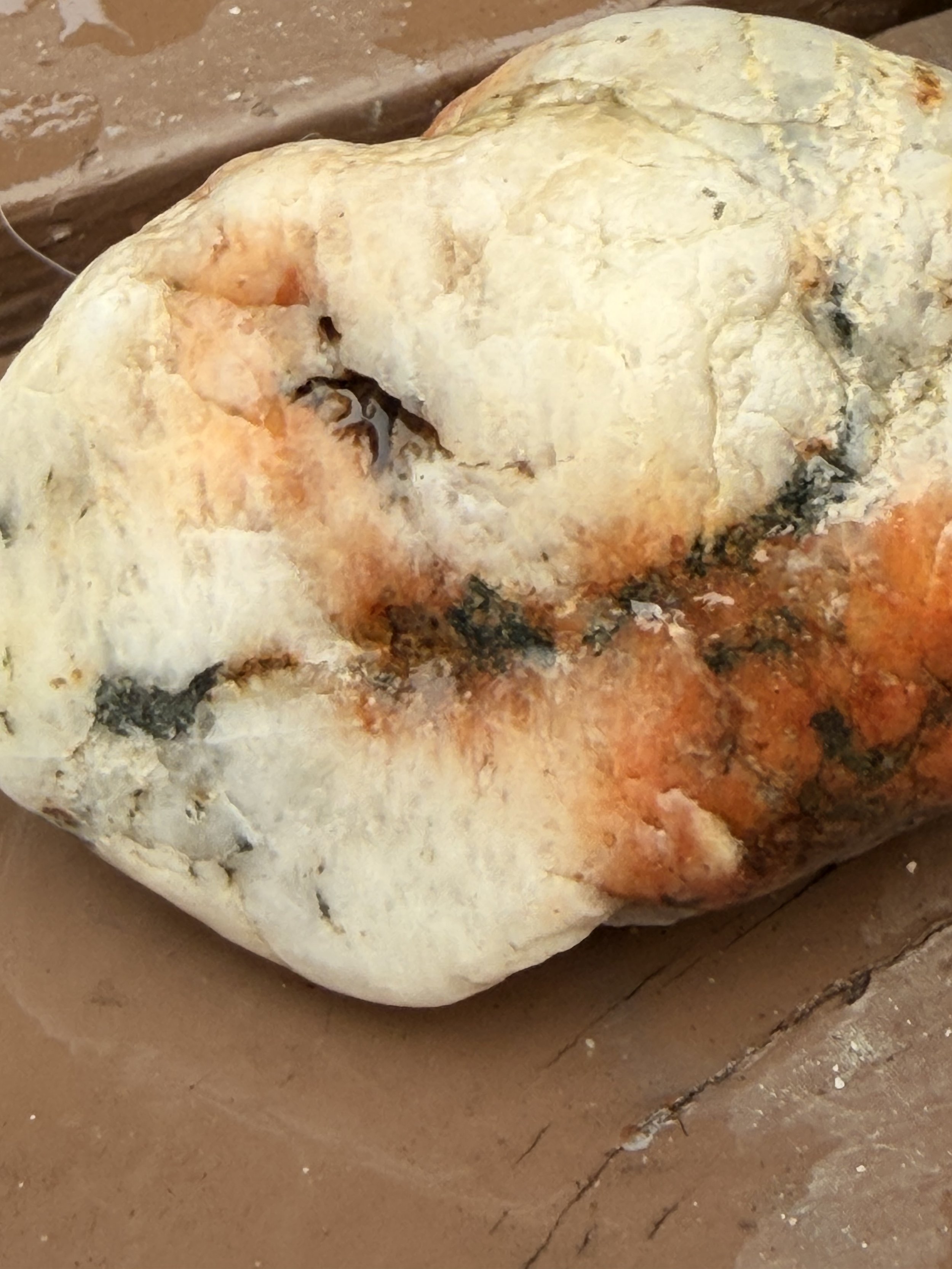
Quartz Schist – Kettle River
A light, river-worn quartz schist with a soft, even glitter across the surface. The texture is fine and granular, the colour a quiet mix of pale and darker tones that shift as the light moves. It sits lighter in the hand than granite or denser metamorphic stones, yet still carries a clear presence.
Pulled from the Kettle River in Grand Forks, British Columbia. The Kettle River is a tributary of the great Columbia. Its waters travel south and east before joining the Columbia and continuing the long journey to the Pacific Ocean. This is a distinct watershed from those the mage has collected from before — a different river system that still answers to the same ocean mothers at the end of its path.
Quartz schist (and the mica that gives it its soft glitter) is a stone of clarifying vision that remains grounded. It does not lift the worker out of the body; it steadies the sight while keeping the feet on the earth. The fine reflective quality helps reveal what is already present rather than inventing what is not.
This stone has been included in lunar workings and bound in rootwork by the mage. While it is not a talismanic piece in the formal astrological tradition, it has been magically charged and now carries her lunar current.
Uncut. Unpolished. Still carrying the river, the lunar charge, and a soft, clarifying glitter.
Offered as an individual ritual stone.
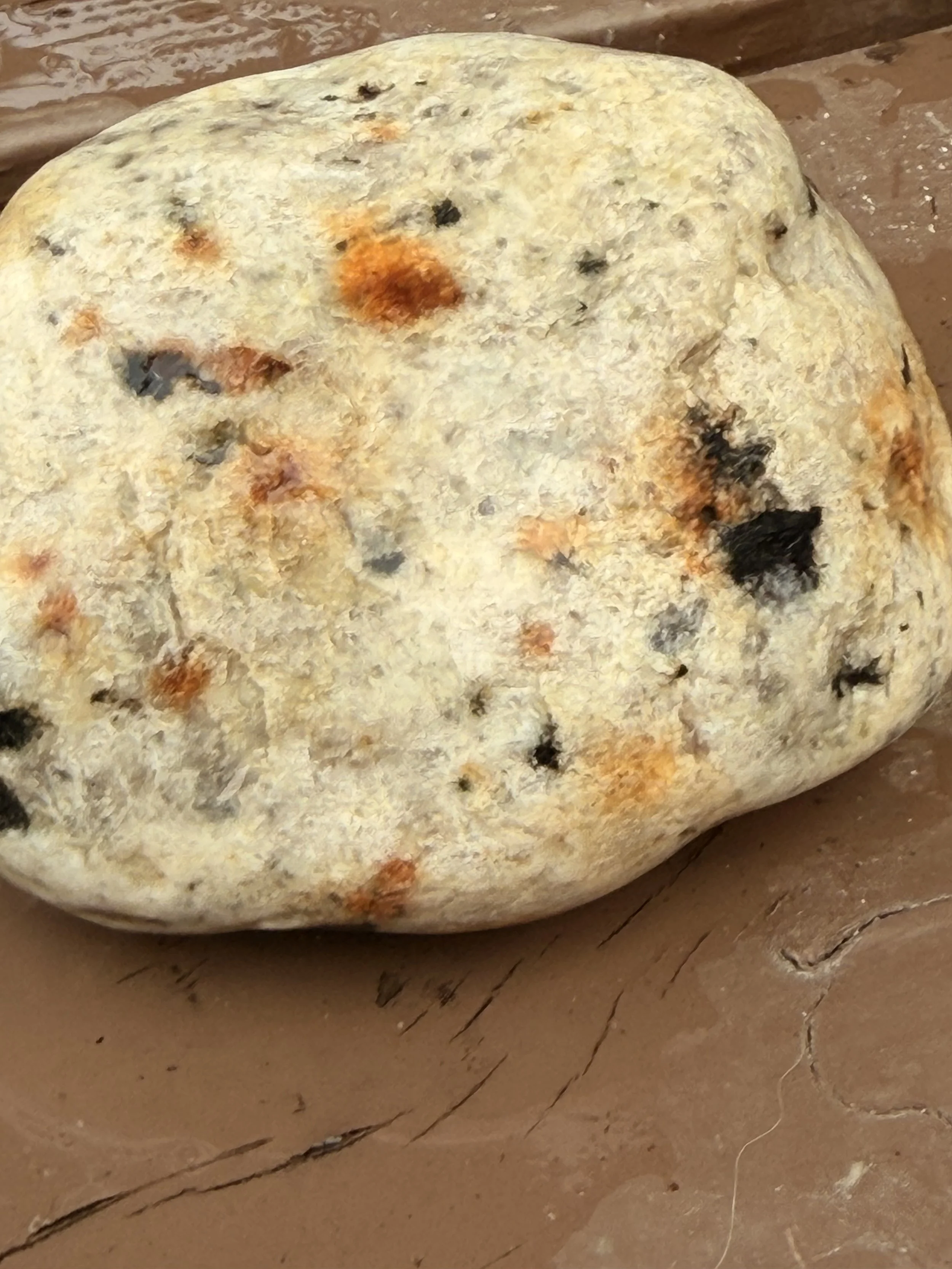
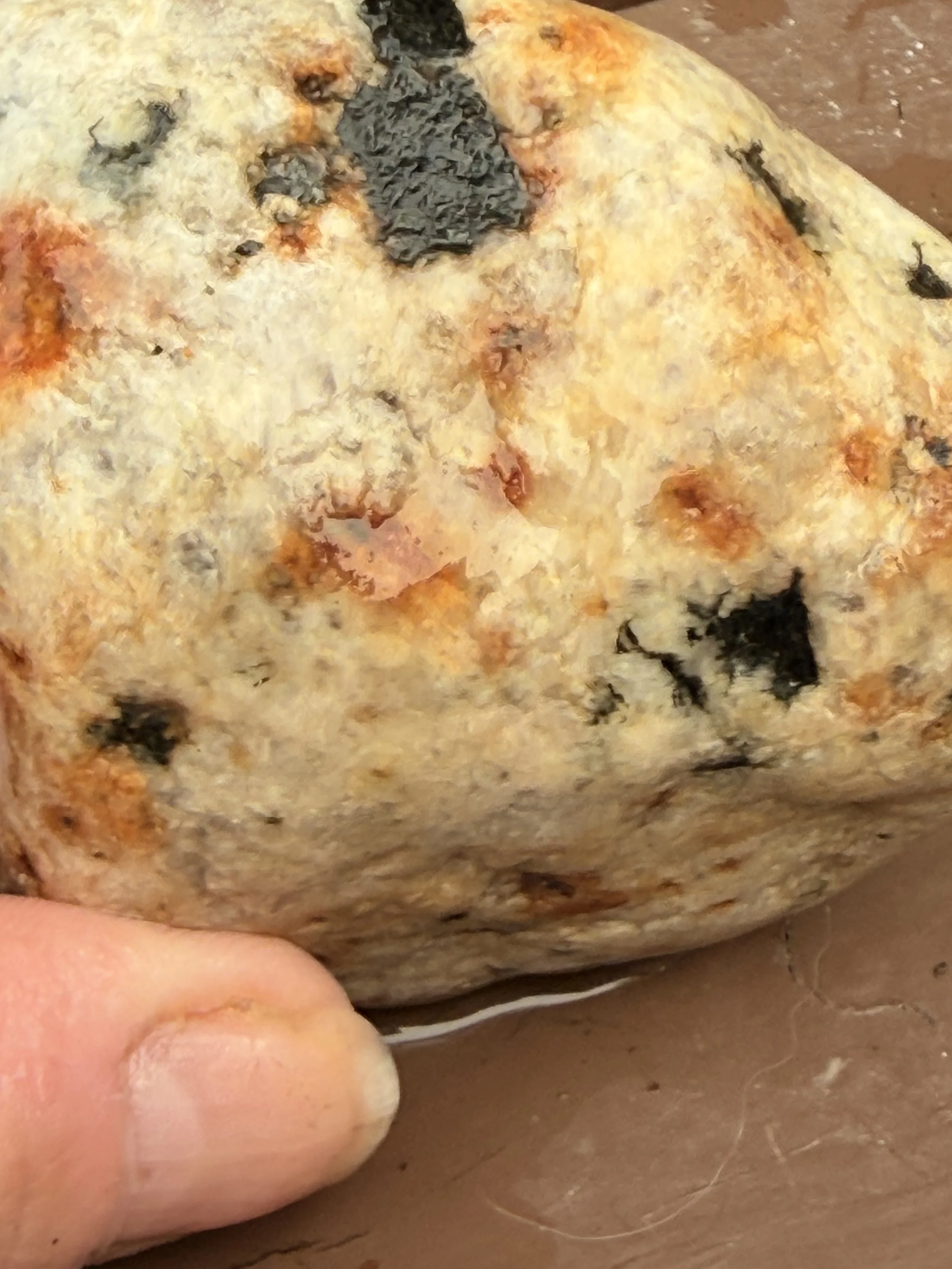
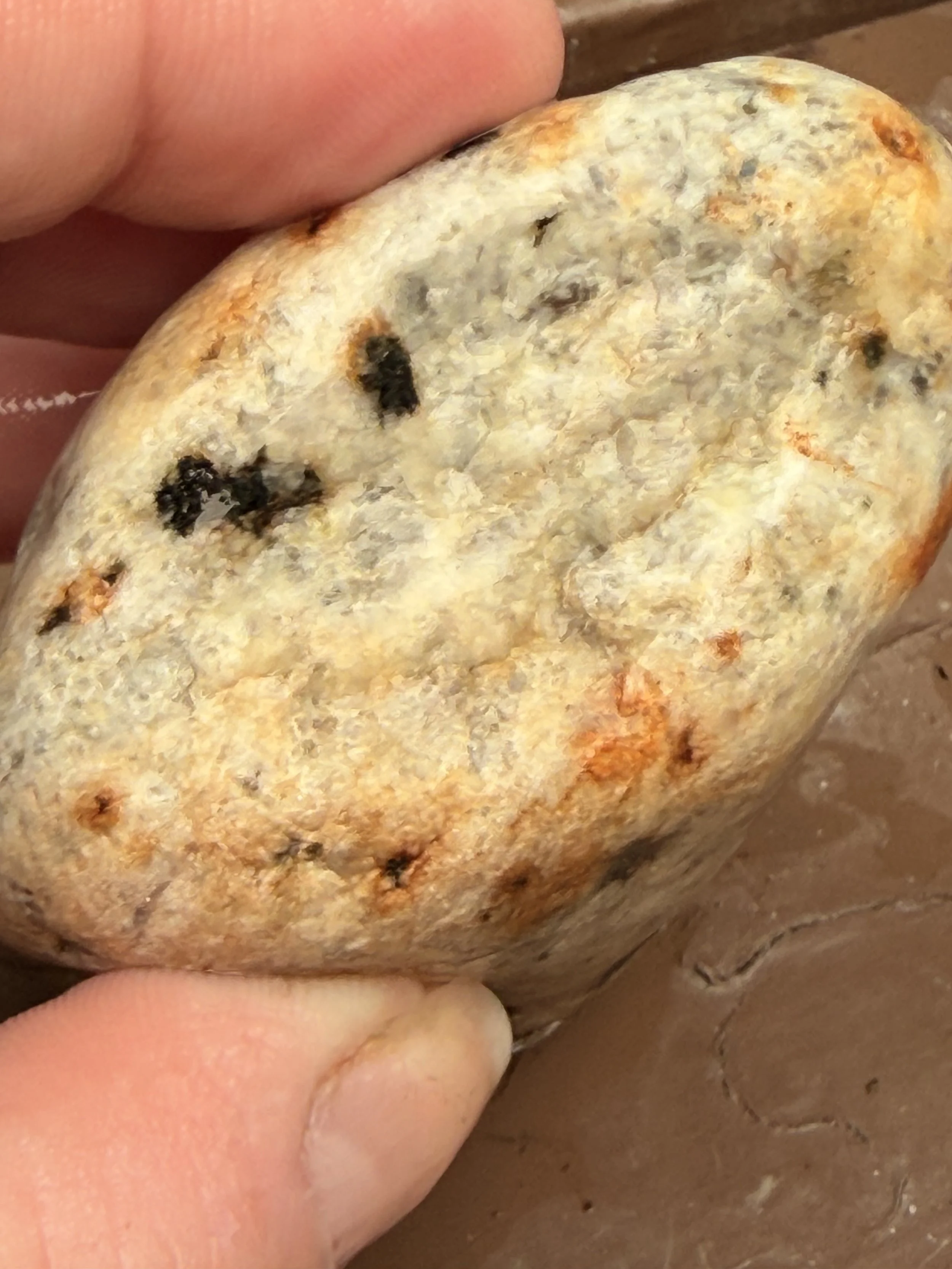
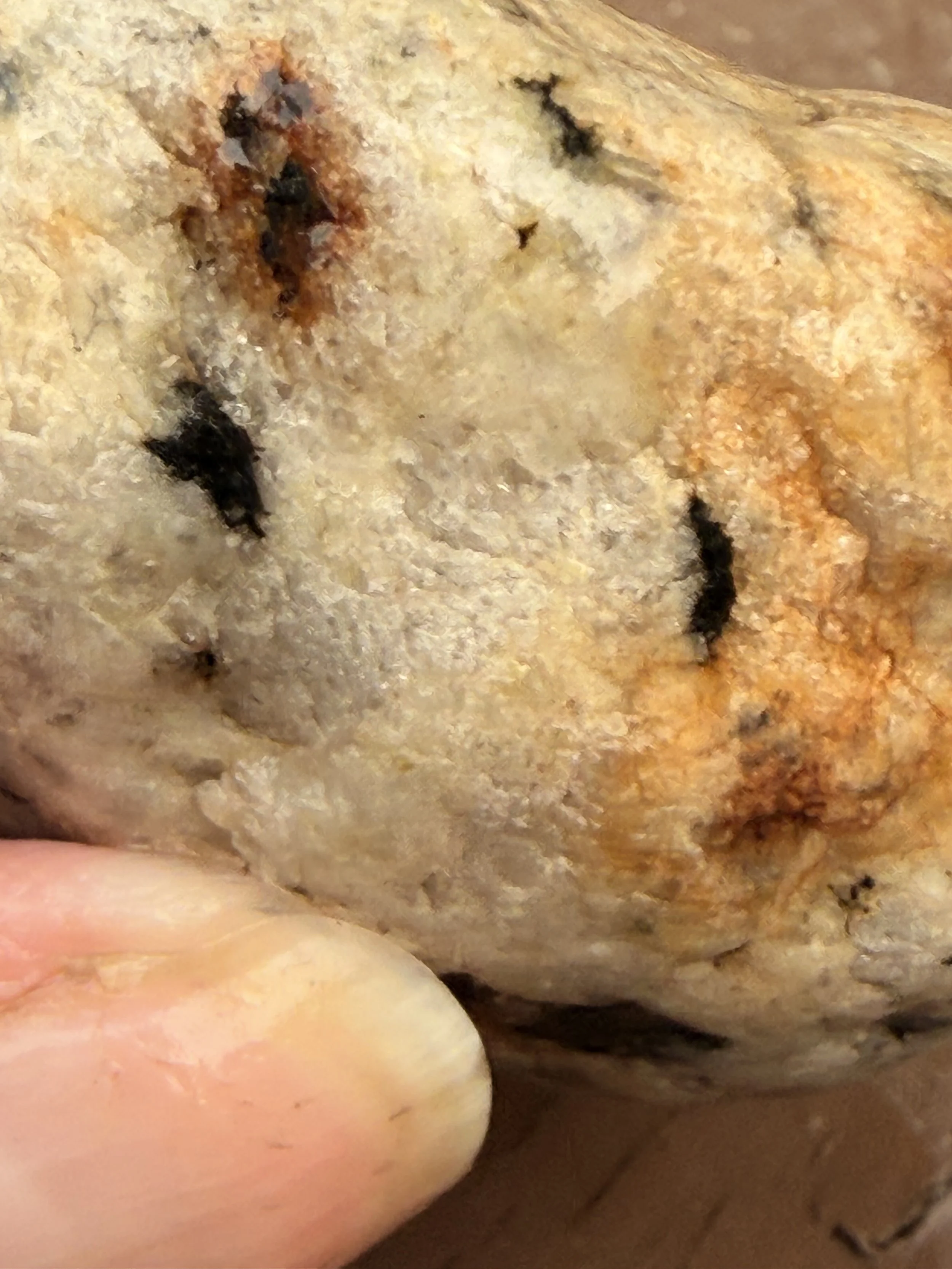
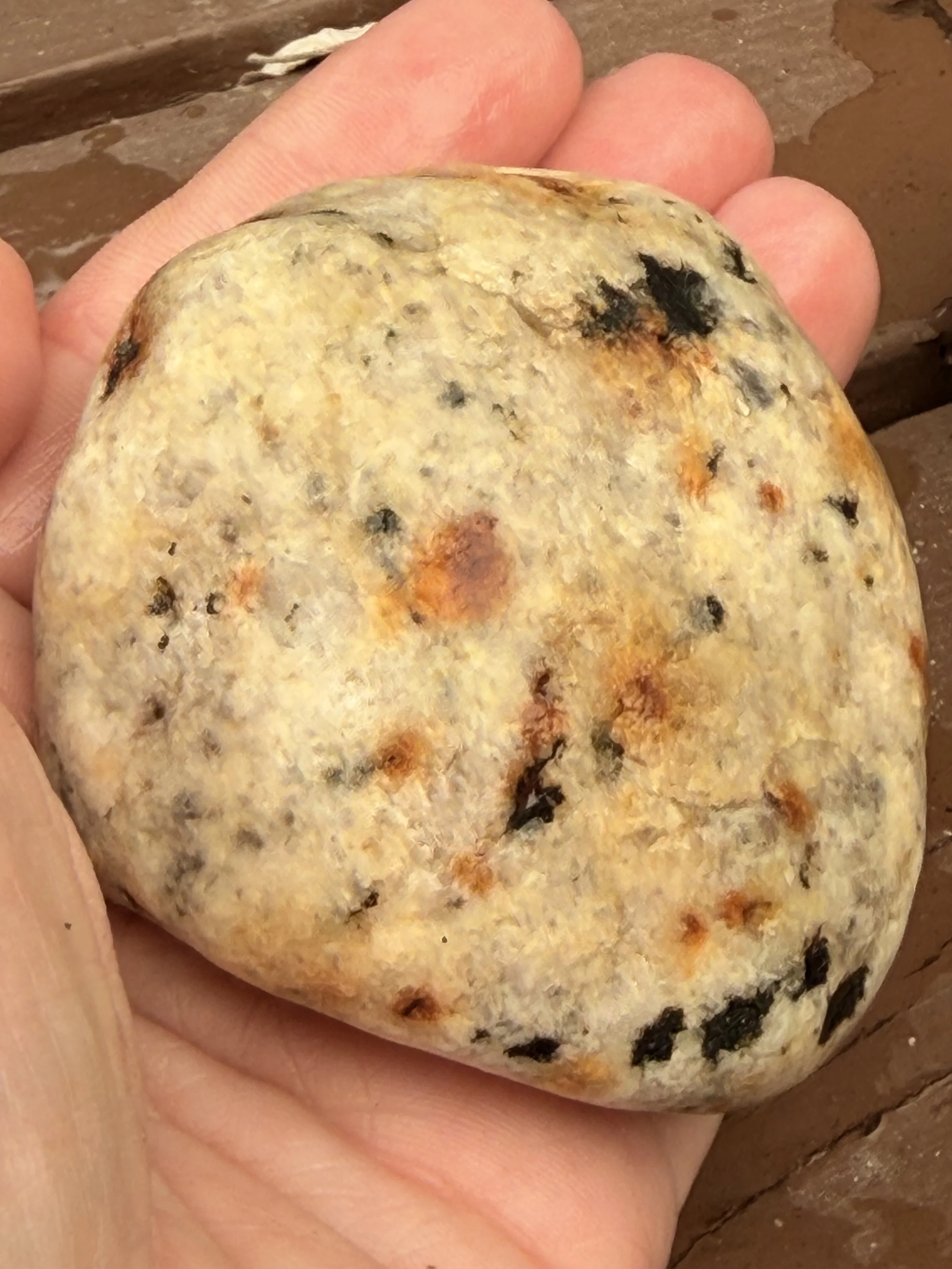
River Quartz Palm Stone – Kettle River
A smooth, river-polished quartz palm stone, soft to the touch and comfortable in the hand. The surface has been worn by the water into a gentle, cabochon-like form. Light moves through it cleanly, with only the quiet internal character that river quartz often carries.
Pulled from the Kettle River in Grand Forks, British Columbia. The Kettle River is a tributary of the great Columbia. Its waters travel south and east before joining the Columbia and continuing the long journey to the Pacific Ocean. This is a distinct watershed from those the mage has collected from before — a different river system that still answers to the same ocean mothers at the end of its path.
Quartz is clarity, amplification, and steady light. In this smooth palm form it becomes especially suited to holding, carrying, and quiet personal work. It does not demand; it simply clarifies and strengthens whatever current is placed with it.
This stone has been included in lunar workings and bound in rootwork by the mage. While it is not a talismanic piece in the formal astrological tradition, it has been magically charged and now carries her lunar current.
Smooth. River-worn. Still carrying the lunar charge and the quiet clarifying presence of quartz.
Offered as an individual ritual stone.
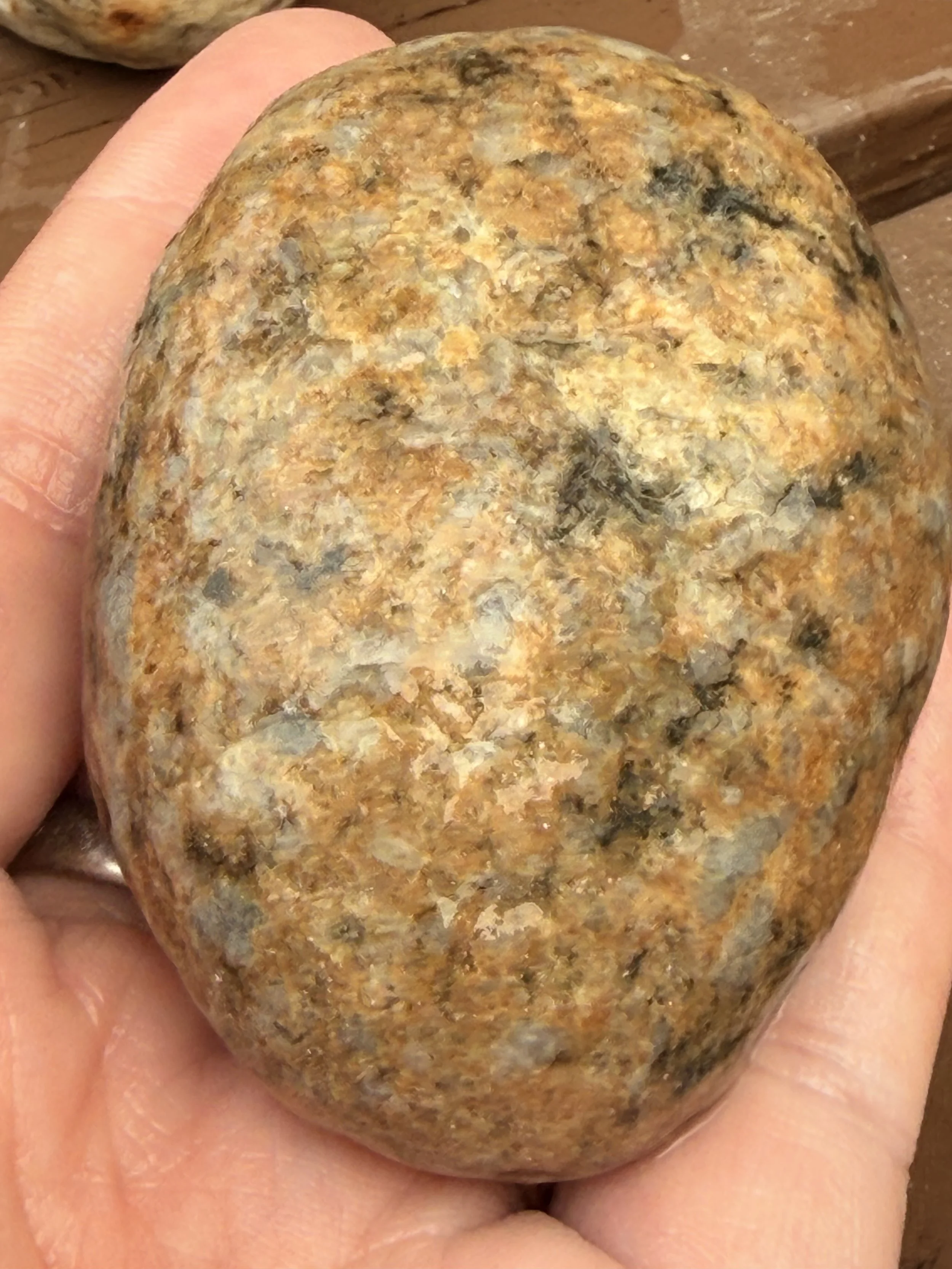
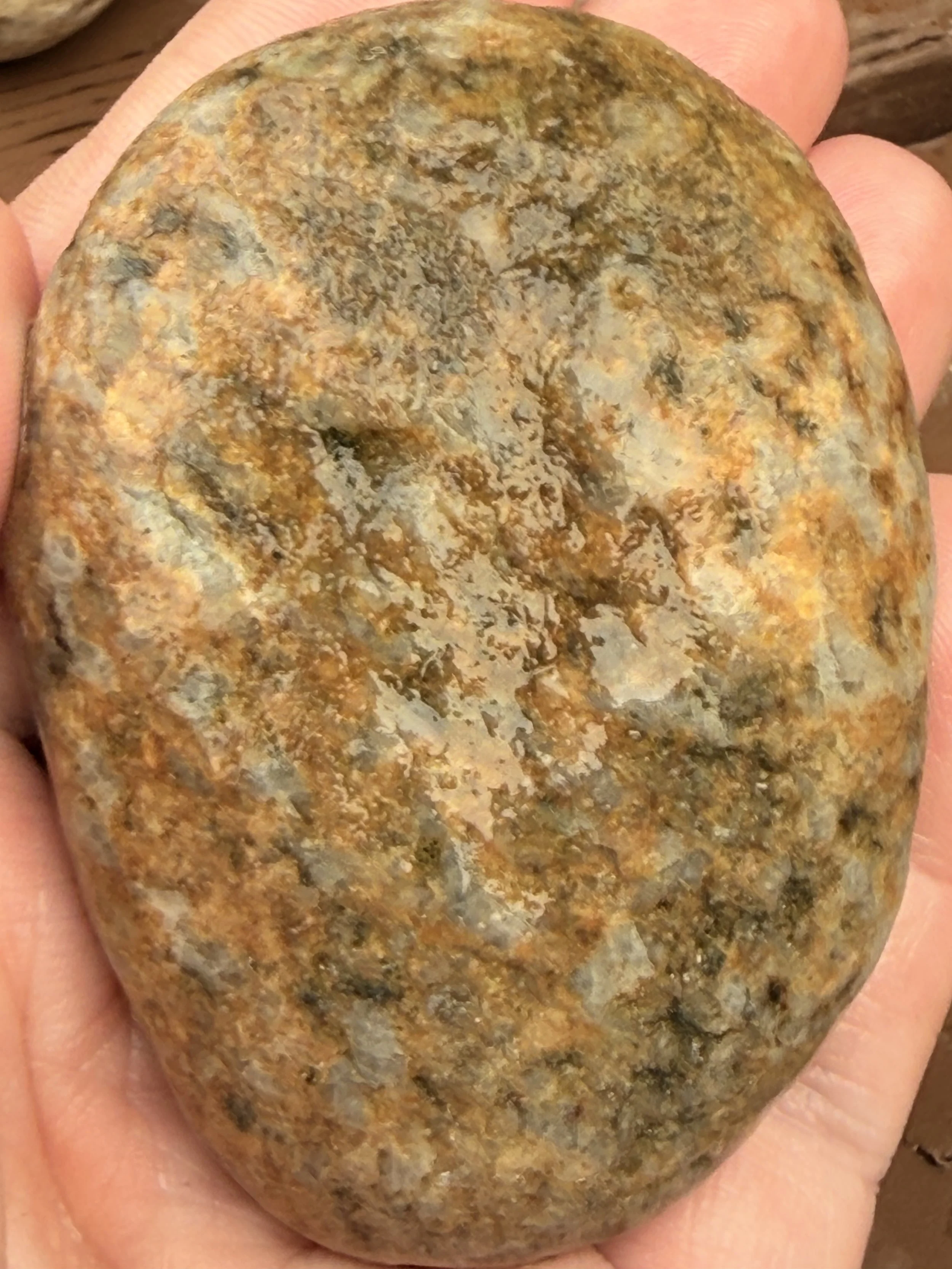
Lunar River Granite Palm Stone – Kettle River
A heavy, substantial granite palm stone in warm brown tones, dense and grounding in the hand. Large crystal inclusions are visible throughout the body of the stone, some of them prominent enough to catch the light clearly. The form is smooth and river-worn, comfortable to hold, with the quiet weight that only deep crustal rock carries.
Pulled from the Kettle River in Grand Forks, British Columbia. The Kettle River is a tributary of the great Columbia. Its waters travel south and east before joining the Columbia and continuing the long journey to the Pacific Ocean. This is a distinct watershed from those the mage has collected from before — a different river system that still answers to the same ocean mothers at the end of its path.
Granite is the bone of the land. It is structure, endurance, and ancestral strength. It anchors and stabilises. The crystal inclusions within this piece add a quieter crystalline current that can hold and amplify the work placed into it, while the overall density keeps everything rooted.
This stone has been included in lunar workings and bound in rootwork by the mage. While it is not a talismanic piece in the formal astrological tradition, it has been magically charged and now carries her lunar current alongside its natural structural power.
Heavy. Substantial. Still carrying the deep earth, the crystal, the river, and the lunar charge.
Offered as an individual ritual stone.
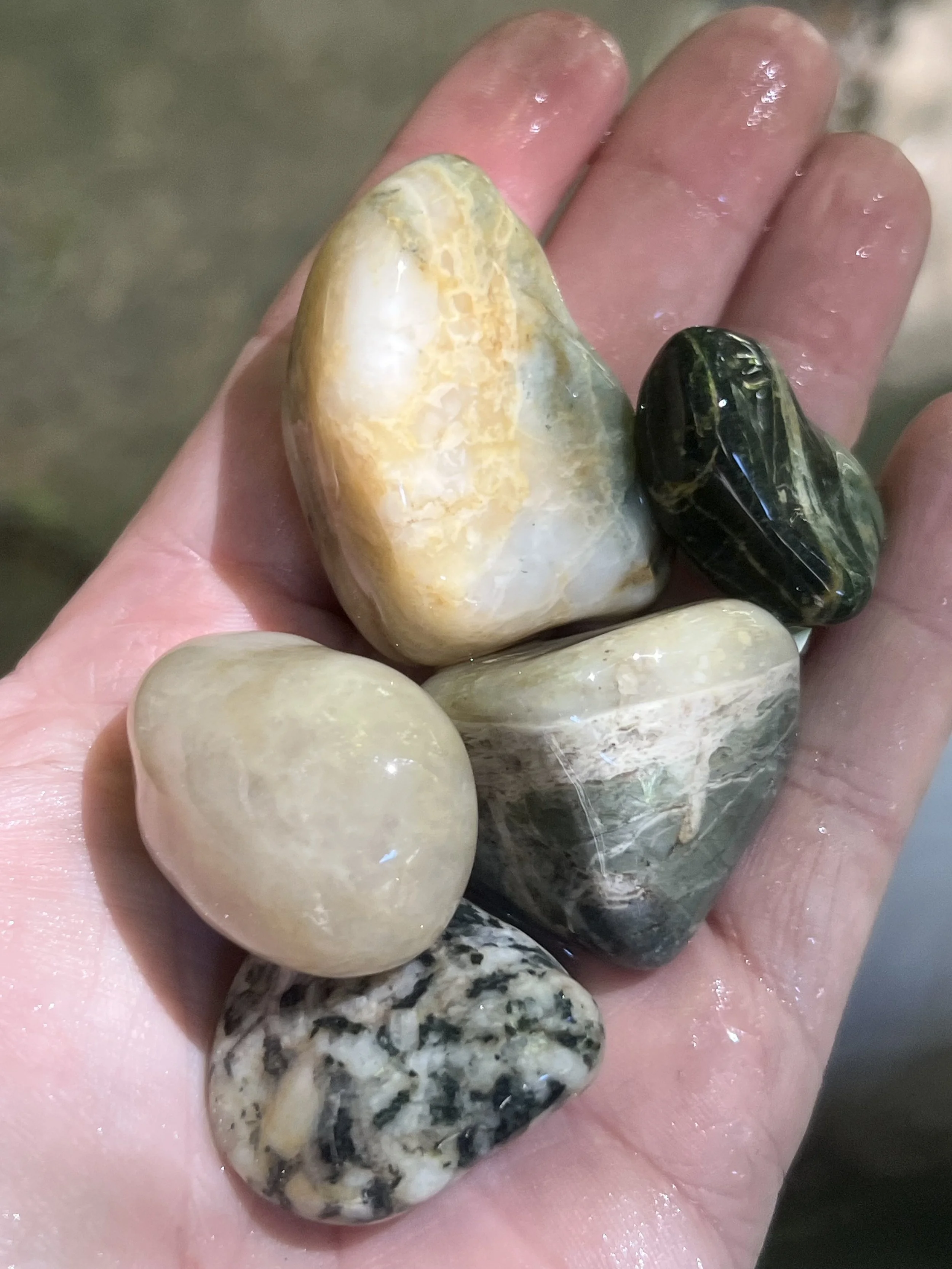
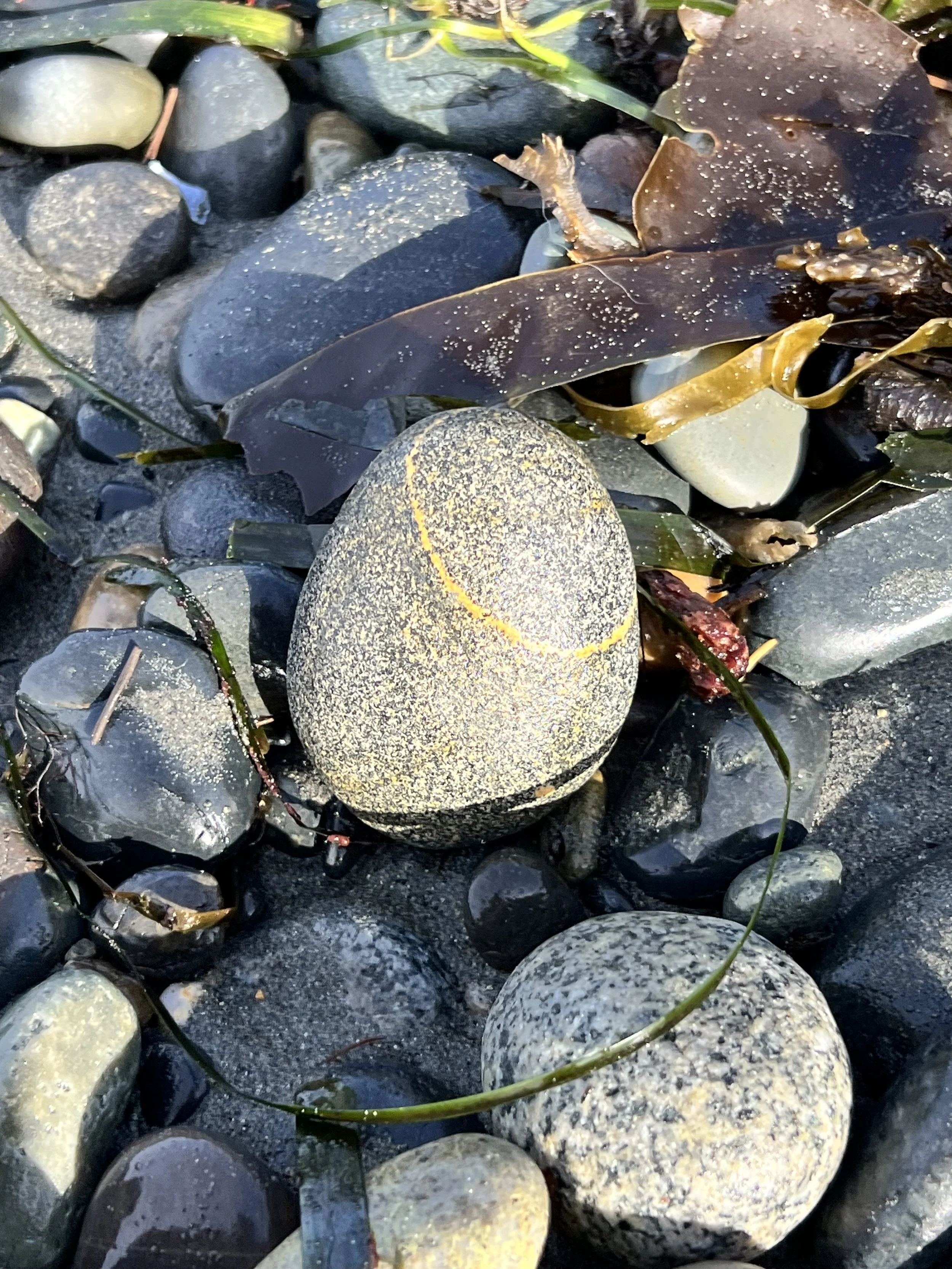
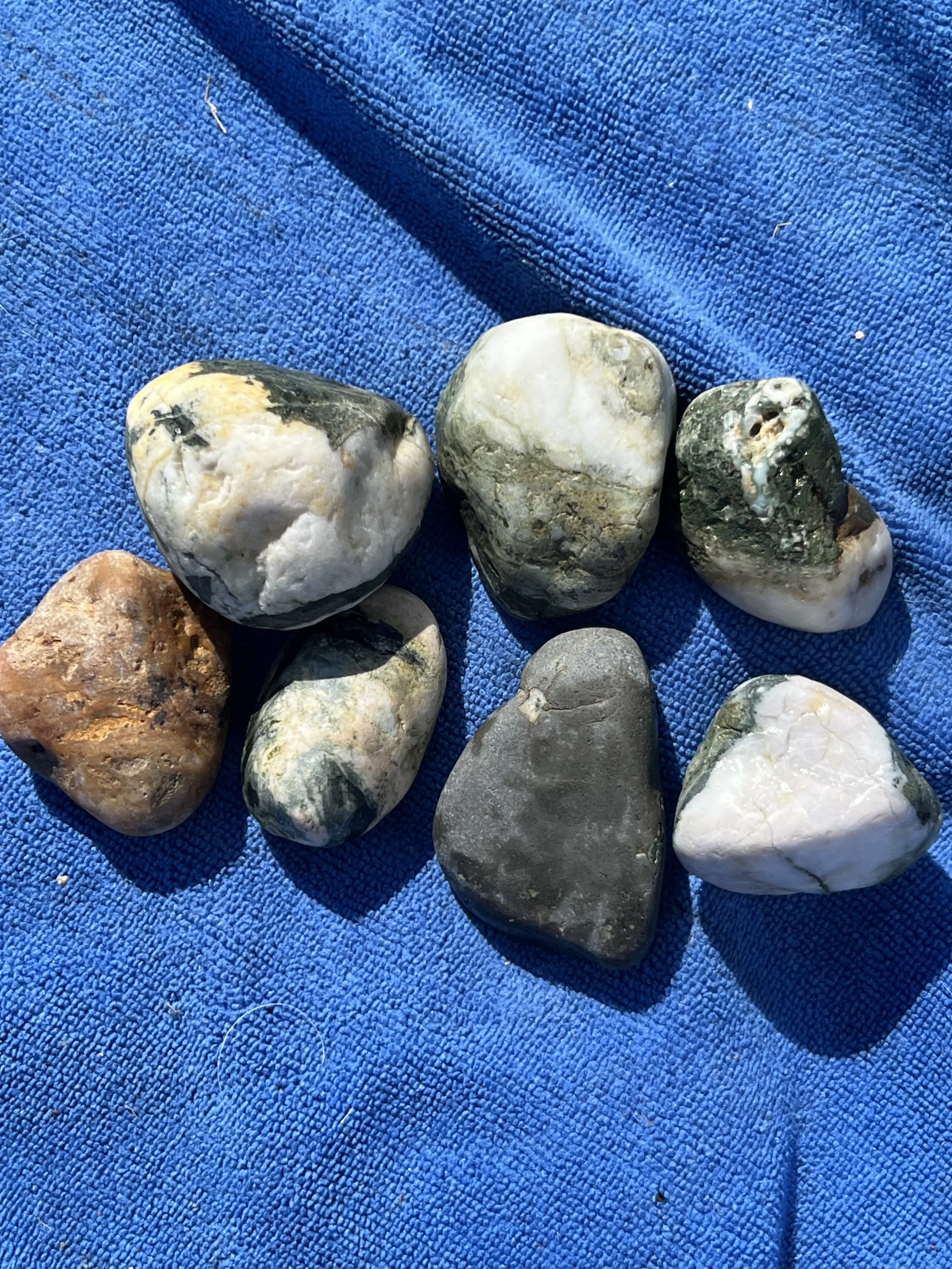
Lunar Quartz – Moon Hour
Raw white quartz harvested during Moon hours from the rivers and coastal waters of British Columbia.
These crystals were collected by hand under the lunar current and charged with Moon magic by the mage herself. They were not created under a formal planetary election or sealed as traditional talismans. Instead, they carry the quieter, older work of the Moon’s hour — the soft pull of water, the silver light, and the intention placed into them while still wet from the river or ocean.
Each stone remains exactly as it was found: uncut, unpolished, unfiltered. Some are clear. Some are cloudy. Some carry fractures and inclusions that tell the story of their formation. None have been “improved.”
These are offered as individual ritual artifacts.
Use them in lunar work, dream practices, scrying, water magic, or simply keep them as living reminders that the land and the Moon still answer when called with clean hands, and a healthy relationship to the Land itself.
No results match your search. Try removing a few filters.