Petrified Mother — Kettle River
Yggdrasil in the gravel. The tree that consented to become Bone.
This is not jasper pretending to be timber, and it is not rose quartz set in a dark host for prettiness. It is wood that drank mineral until there was no wood left — cell by cell, year-ring by year-ring — until the mother stood up as stone. In this river she comes the way you found her: dark ground, almost basaltic, with dense pink bodies in it. Not rhodonite. Not an accident of iron blush. Pink like a harder, quieter rose, locked into the black as if the tree kept a living flush after the sap was gone.
A tree is already a mother. Roots in the well, crown in the weather, body as the road between them. When she petrifies, she does not die out of the world. She changes halls. The Norns water Yggdrasil from the well; they do not water her so she will stay soft. They water her so she will last. This stone is that lastness in the hand.
The mothers have been loud because this is their grammar, not a mineral novelty.
The earth-mothers — the Complex itself, twenty kilometres of cooked crust, now rolled into a palm.
The tree-mothers — Yggdrasil, the mother-trees of your own working, the ones that hold the worlds the way a trunk holds weight.
The water-mothers — Rán and her nine, and the ocean at the end of the Columbia, because this body was finished in a river that still answers to them.
The hall-mothers — Rán and Freyja both. One takes those the water claims. One takes those who fall and have not drowned. A petrified tree has done both. She fell. She drowned in silica. She still hosts.
Ask and Embla were made from trees. The first people in the North are driftwood the gods found on the shore and woke. This piece is the other direction: a mother who went from wake to mineral and did not lose her seat.
Magically she is for lineage that needs a spine, for work that must outlast a mood, for anyone standing at a death that is also a becoming. She is slow. She will not perform. She is useful on an altar the way a stump is useful in a forest — the thing you sit on when the living trees are too tall to argue with.
Do not cut her. The pink in the dark is the whole sentence.
These specimens have been included in the lunar workings: she now carries that current as well, bound in rootwork, not a formal elected talisman.
Uncut. River-worn. Offered as an individual ritual artifact.
Petrified Mother — Kettle River
Yggdrasil in the gravel. The tree that consented to become Bone.
This is not jasper pretending to be timber, and it is not rose quartz set in a dark host for prettiness. It is wood that drank mineral until there was no wood left — cell by cell, year-ring by year-ring — until the mother stood up as stone. In this river she comes the way you found her: dark ground, almost basaltic, with dense pink bodies in it. Not rhodonite. Not an accident of iron blush. Pink like a harder, quieter rose, locked into the black as if the tree kept a living flush after the sap was gone.
A tree is already a mother. Roots in the well, crown in the weather, body as the road between them. When she petrifies, she does not die out of the world. She changes halls. The Norns water Yggdrasil from the well; they do not water her so she will stay soft. They water her so she will last. This stone is that lastness in the hand.
The mothers have been loud because this is their grammar, not a mineral novelty.
The earth-mothers — the Complex itself, twenty kilometres of cooked crust, now rolled into a palm.
The tree-mothers — Yggdrasil, the mother-trees of your own working, the ones that hold the worlds the way a trunk holds weight.
The water-mothers — Rán and her nine, and the ocean at the end of the Columbia, because this body was finished in a river that still answers to them.
The hall-mothers — Rán and Freyja both. One takes those the water claims. One takes those who fall and have not drowned. A petrified tree has done both. She fell. She drowned in silica. She still hosts.
Ask and Embla were made from trees. The first people in the North are driftwood the gods found on the shore and woke. This piece is the other direction: a mother who went from wake to mineral and did not lose her seat.
Magically she is for lineage that needs a spine, for work that must outlast a mood, for anyone standing at a death that is also a becoming. She is slow. She will not perform. She is useful on an altar the way a stump is useful in a forest — the thing you sit on when the living trees are too tall to argue with.
Do not cut her. The pink in the dark is the whole sentence.
These specimens have been included in the lunar workings: she now carries that current as well, bound in rootwork, not a formal elected talisman.
Uncut. River-worn. Offered as an individual ritual artifact.
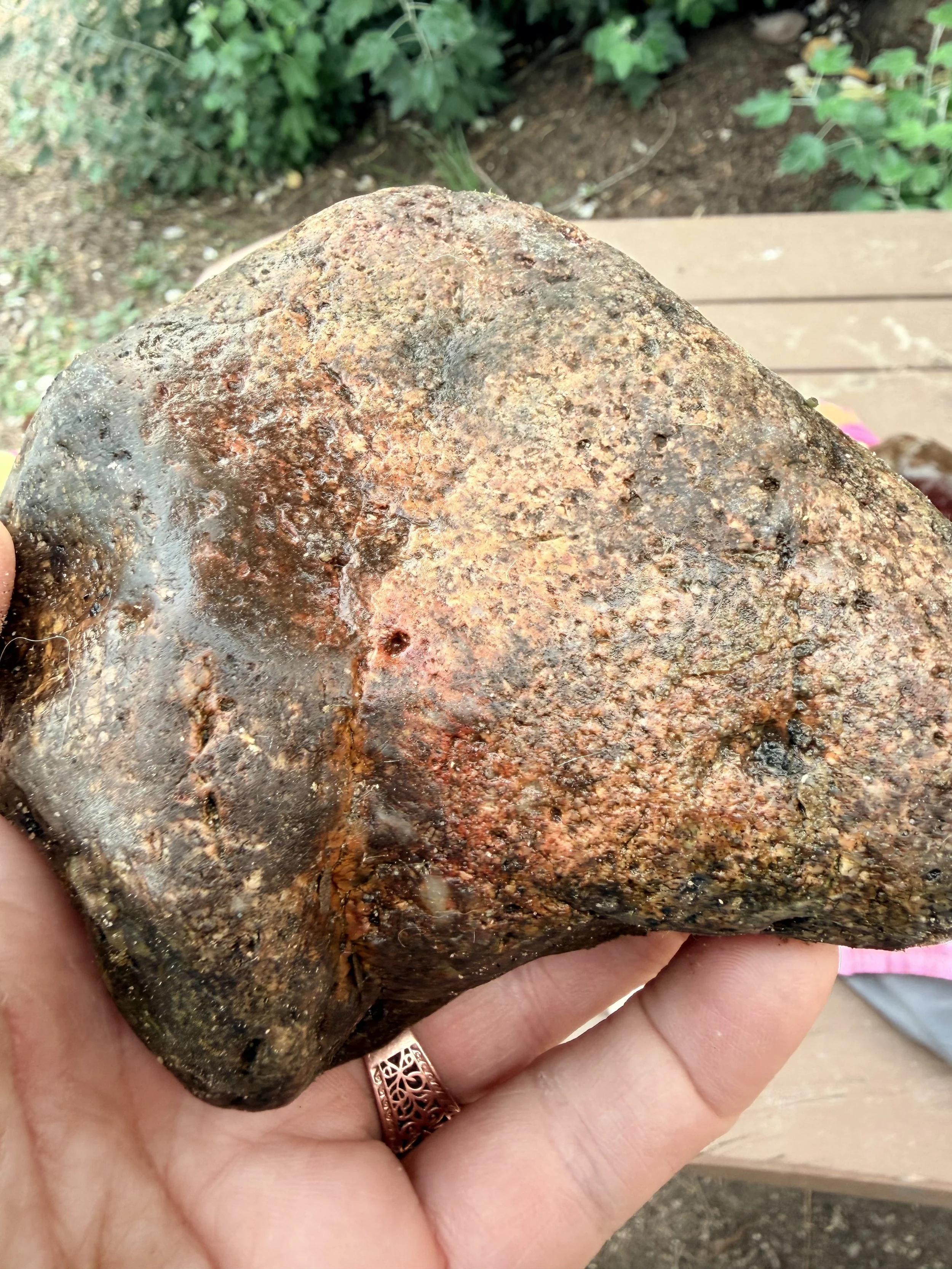 Image 1 of 6
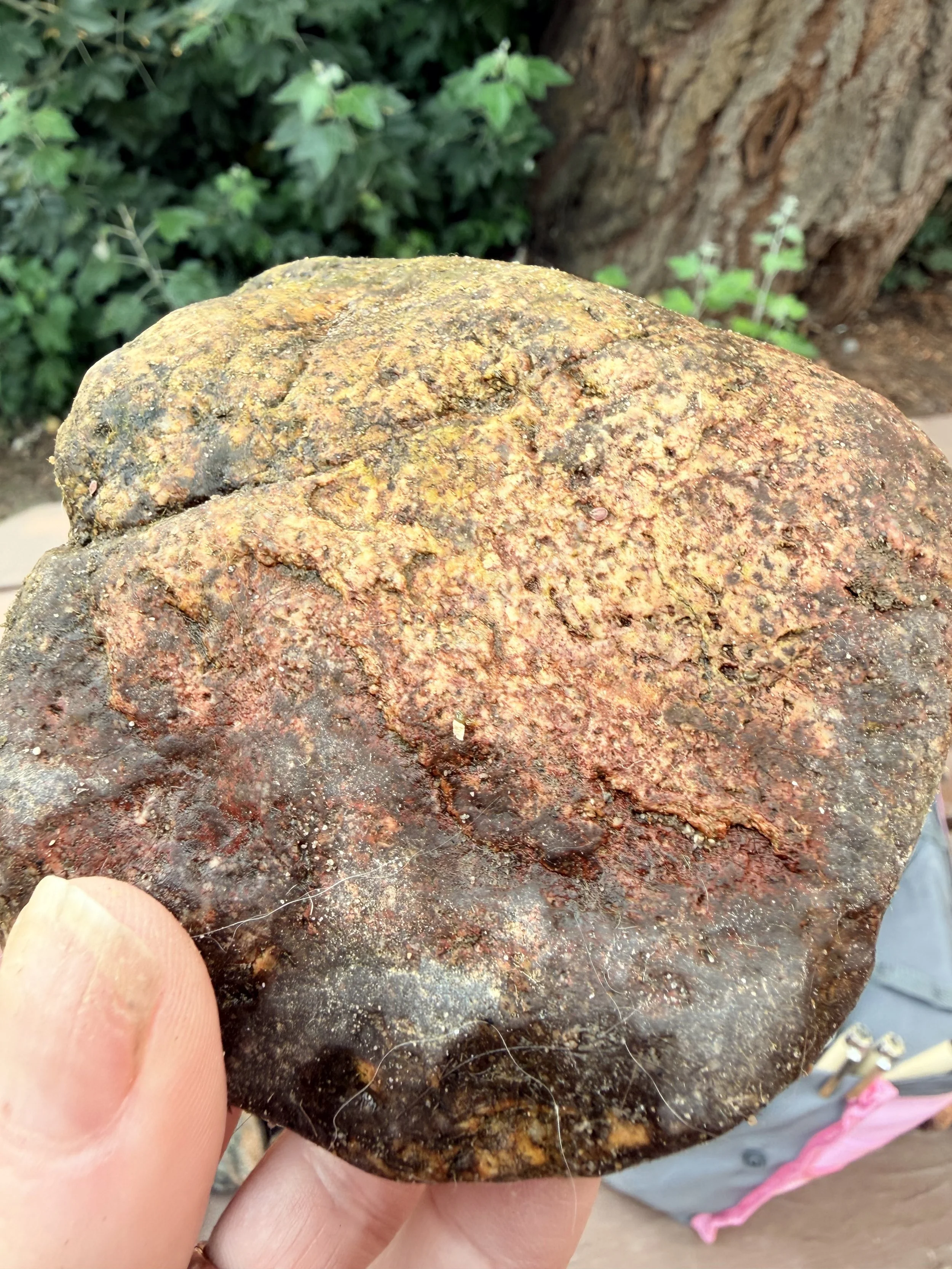 Image 2 of 6
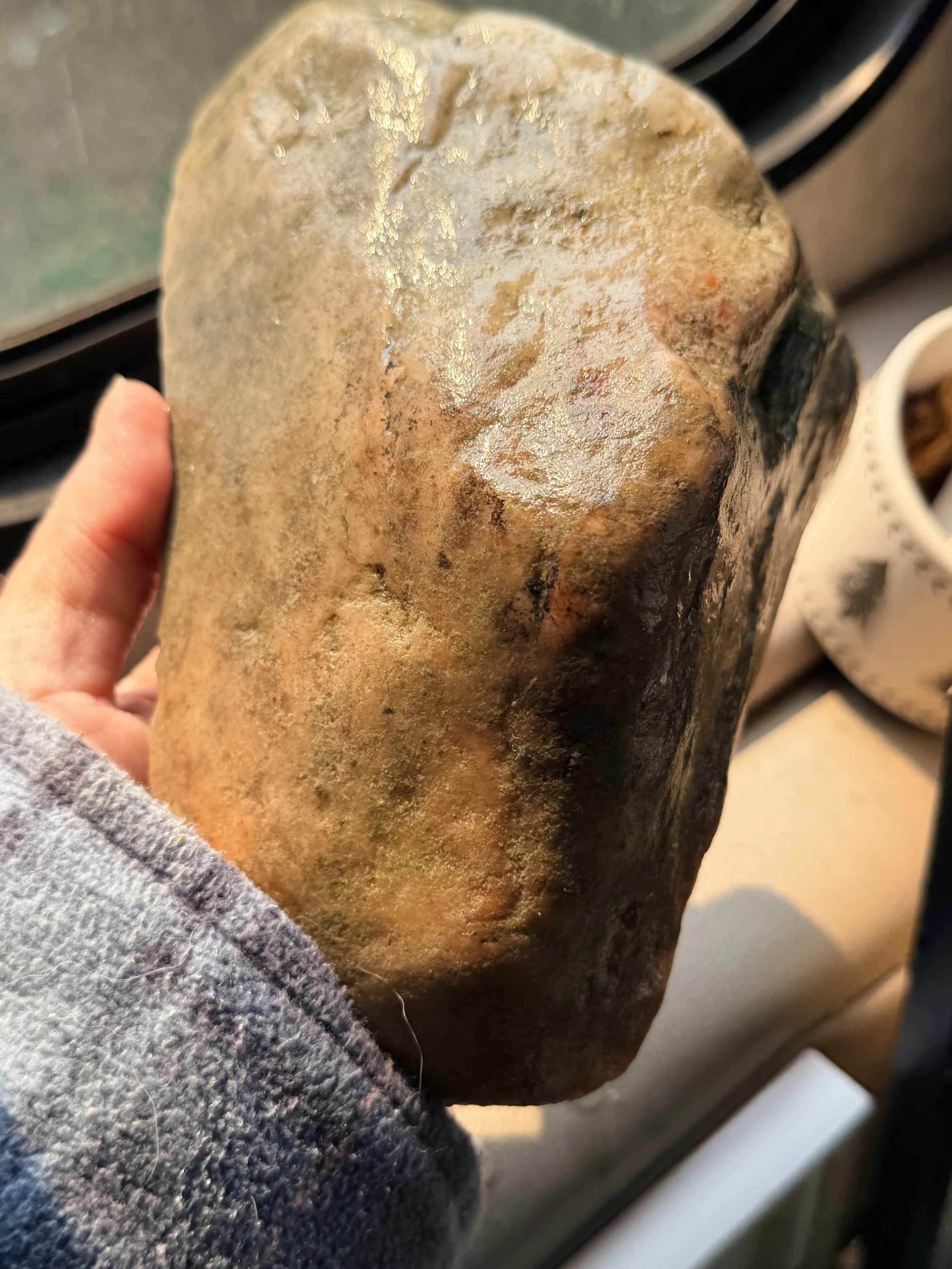 Image 3 of 6
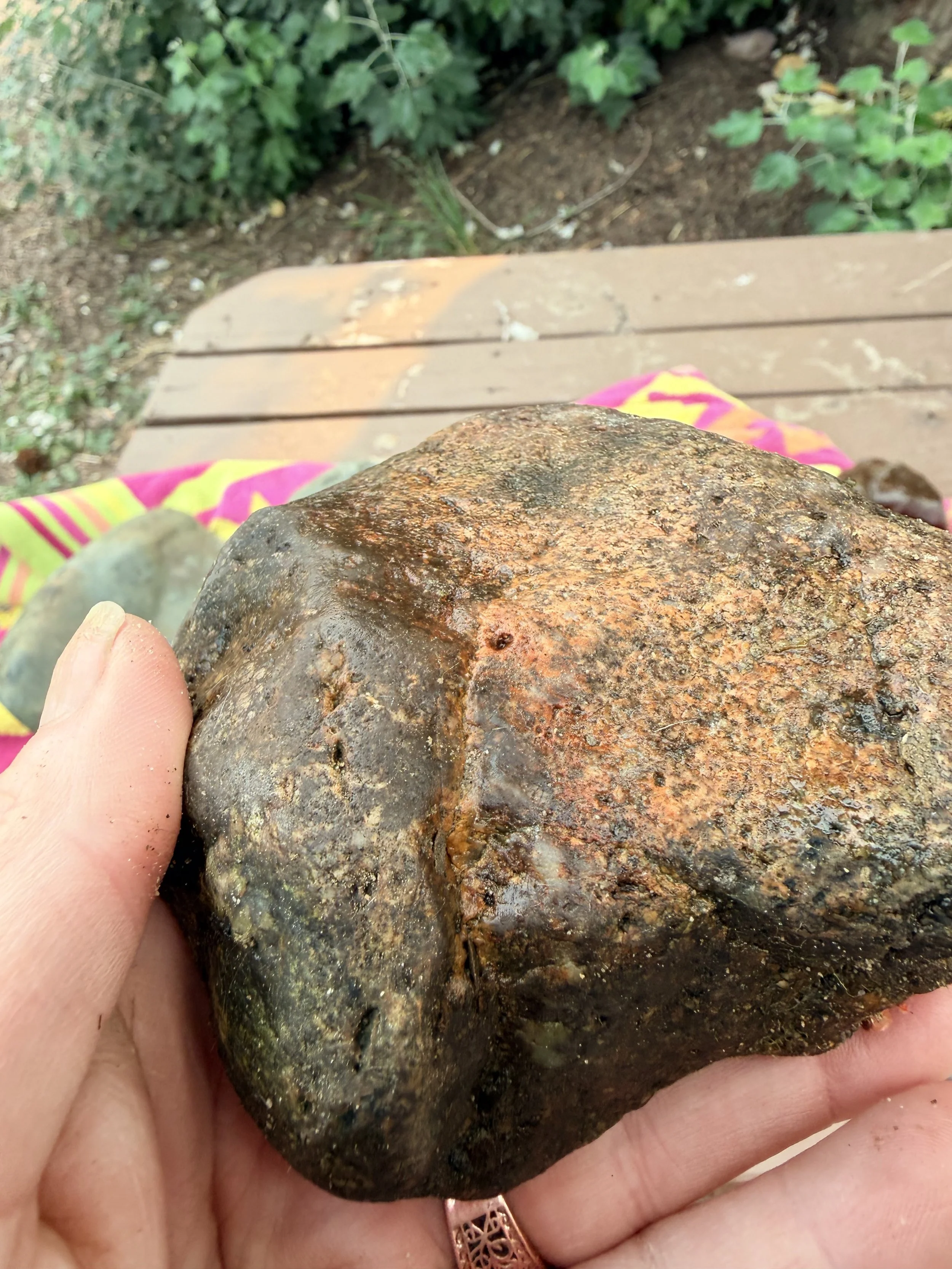 Image 4 of 6
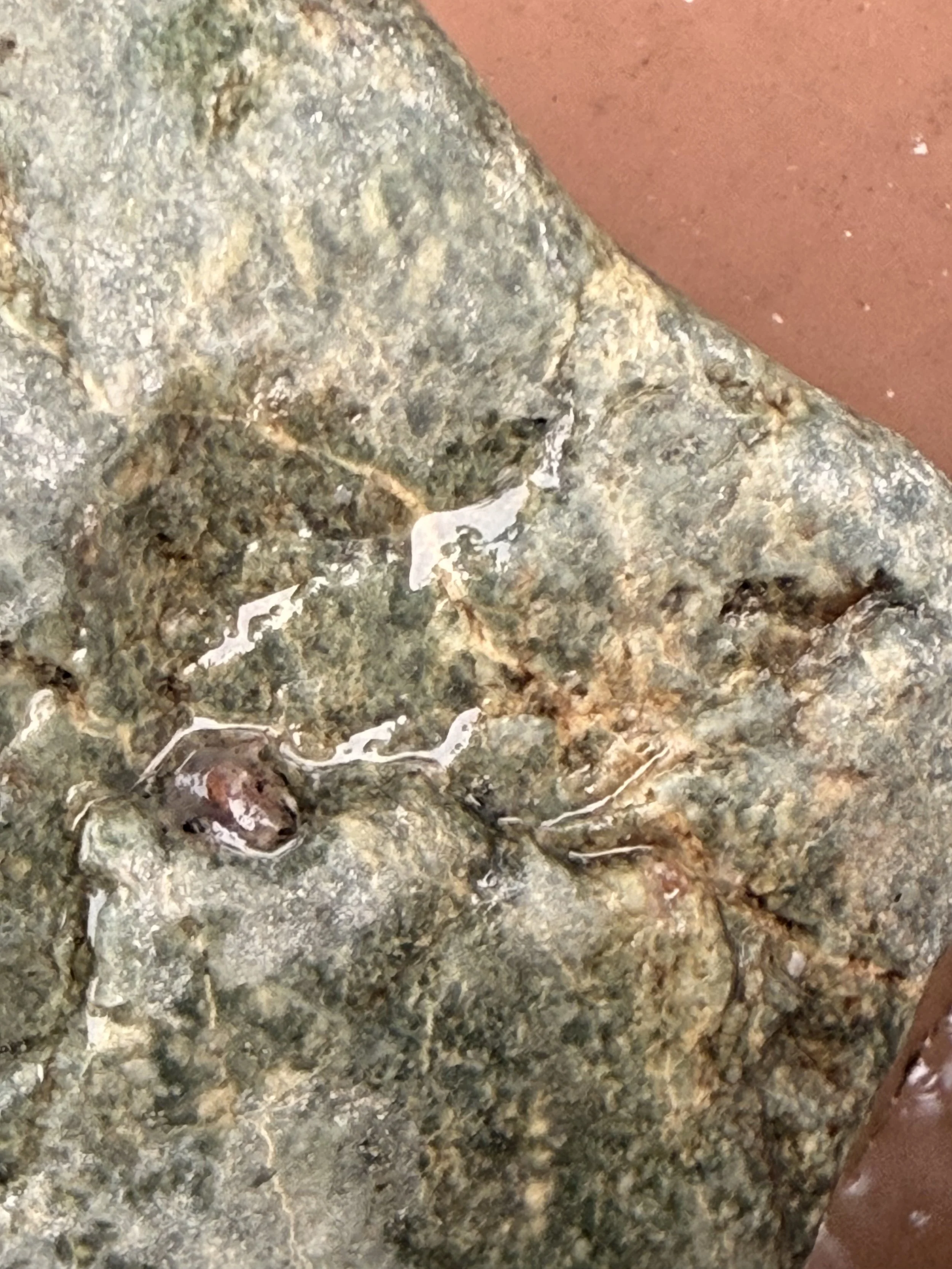 Image 5 of 6
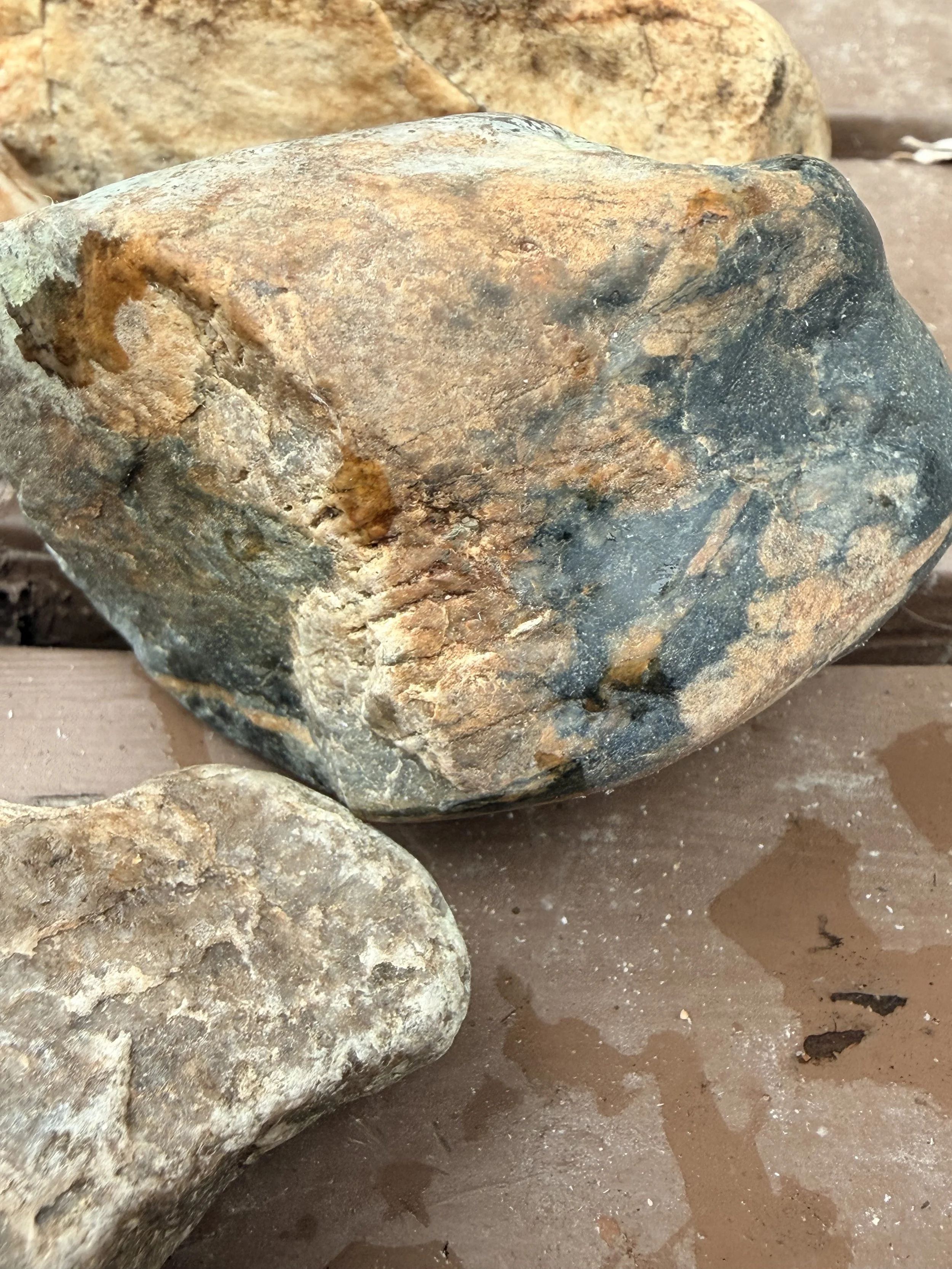 Image 6 of 6