Quartz Schist – Kettle River
A light, river-worn quartz schist with a soft, even glitter across the surface. The texture is fine and granular, the colour a quiet mix of pale and darker tones that shift as the light moves. It sits lighter in the hand than granite or denser metamorphic stones, yet still carries a clear presence.
Pulled from the Kettle River in Grand Forks, British Columbia. The Kettle River is a tributary of the great Columbia. Its waters travel south and east before joining the Columbia and continuing the long journey to the Pacific Ocean. This is a distinct watershed from those the mage has collected from before — a different river system that still answers to the same ocean mothers at the end of its path.
Quartz schist (and the mica that gives it its soft glitter) is a stone of clarifying vision that remains grounded. It does not lift the worker out of the body; it steadies the sight while keeping the feet on the earth. The fine reflective quality helps reveal what is already present rather than inventing what is not.
This stone has been included in lunar workings and bound in rootwork by the mage. While it is not a talismanic piece in the formal astrological tradition, it has been magically charged and now carries her lunar current.
Uncut. Unpolished. Still carrying the river, the lunar charge, and a soft, clarifying glitter.
Offered as an individual ritual stone.
Quartz Schist – Kettle River
A light, river-worn quartz schist with a soft, even glitter across the surface. The texture is fine and granular, the colour a quiet mix of pale and darker tones that shift as the light moves. It sits lighter in the hand than granite or denser metamorphic stones, yet still carries a clear presence.
Pulled from the Kettle River in Grand Forks, British Columbia. The Kettle River is a tributary of the great Columbia. Its waters travel south and east before joining the Columbia and continuing the long journey to the Pacific Ocean. This is a distinct watershed from those the mage has collected from before — a different river system that still answers to the same ocean mothers at the end of its path.
Quartz schist (and the mica that gives it its soft glitter) is a stone of clarifying vision that remains grounded. It does not lift the worker out of the body; it steadies the sight while keeping the feet on the earth. The fine reflective quality helps reveal what is already present rather than inventing what is not.
This stone has been included in lunar workings and bound in rootwork by the mage. While it is not a talismanic piece in the formal astrological tradition, it has been magically charged and now carries her lunar current.
Uncut. Unpolished. Still carrying the river, the lunar charge, and a soft, clarifying glitter.
Offered as an individual ritual stone.
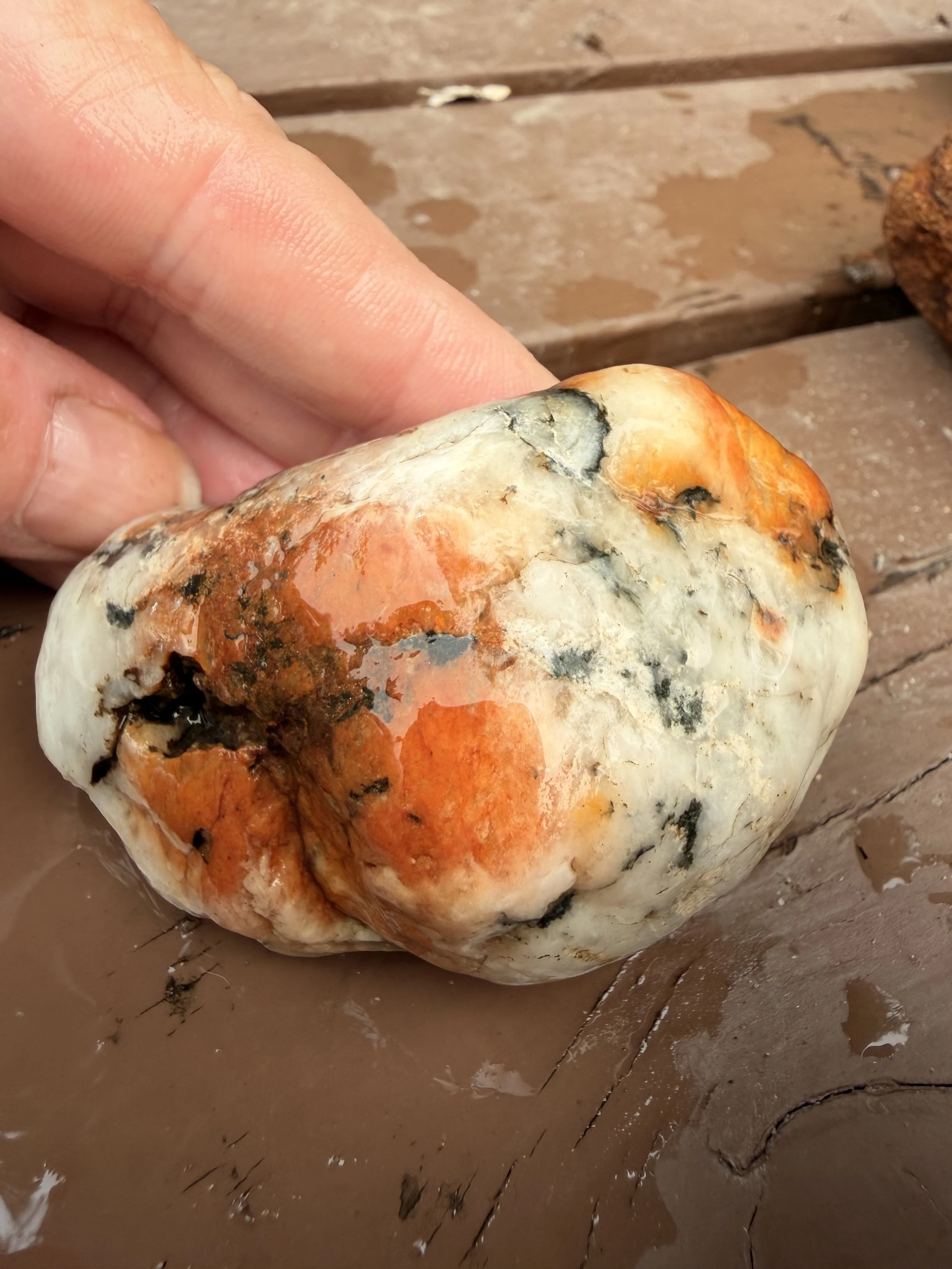 Image 1 of 6
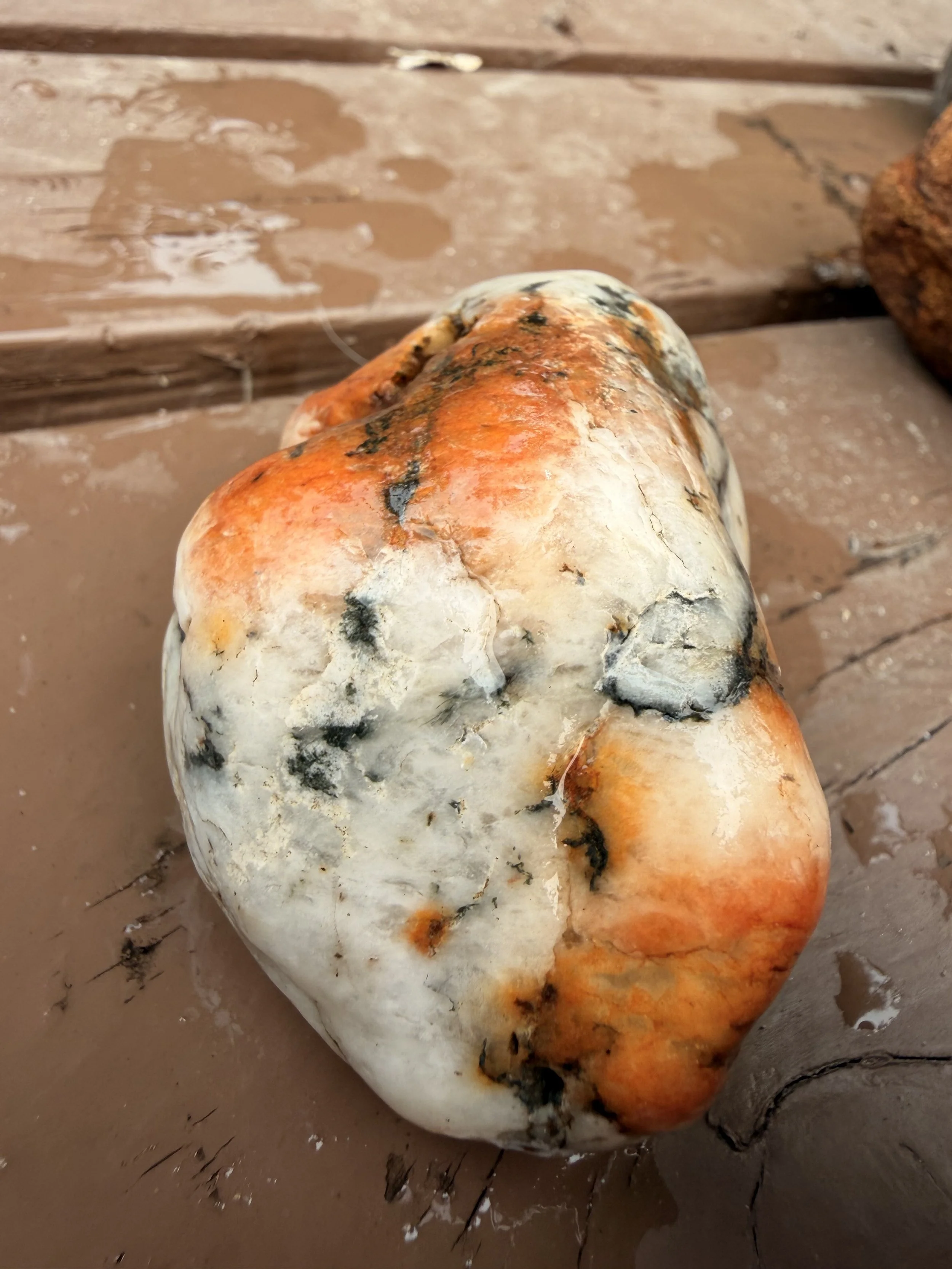 Image 2 of 6
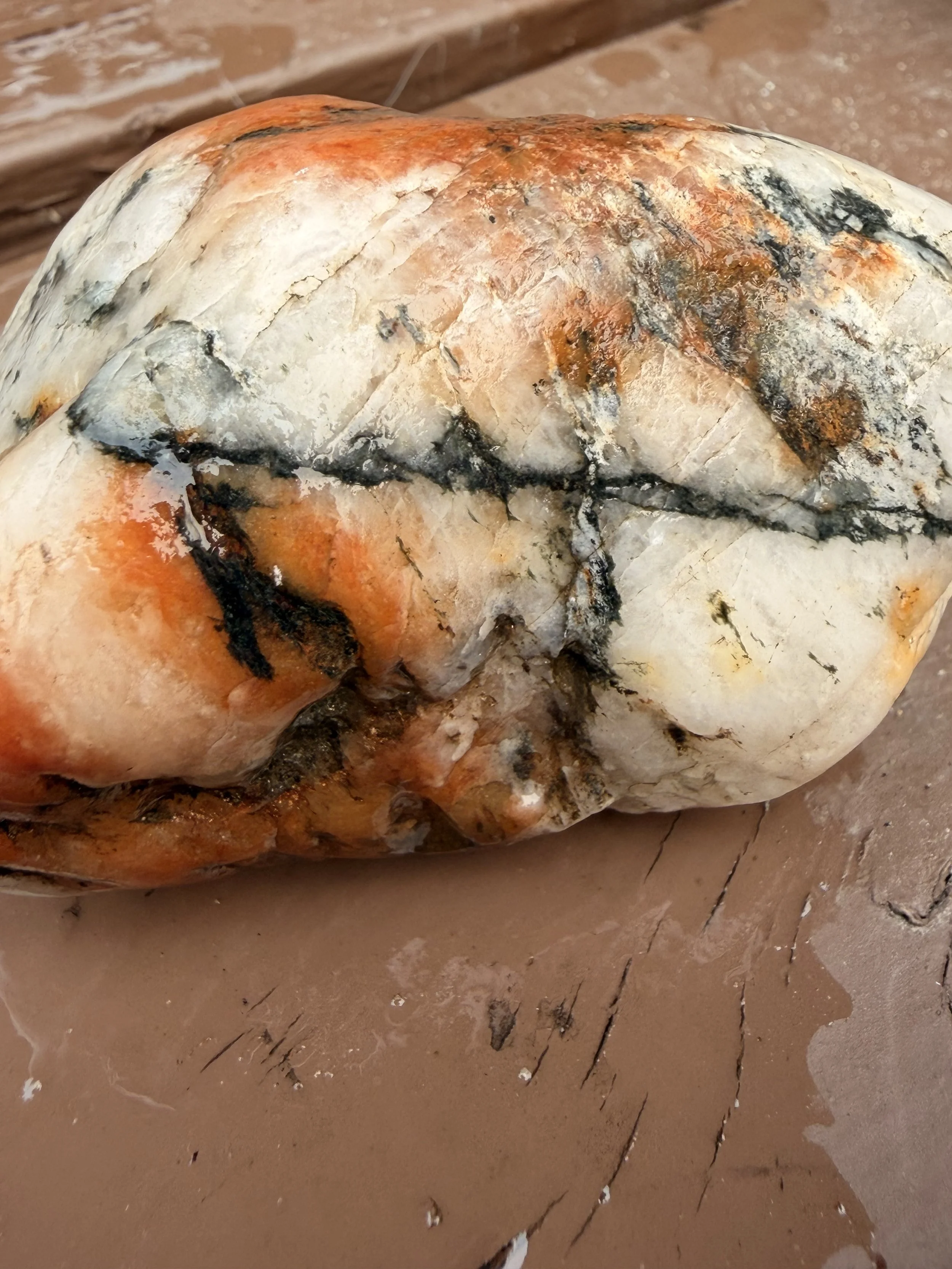 Image 3 of 6
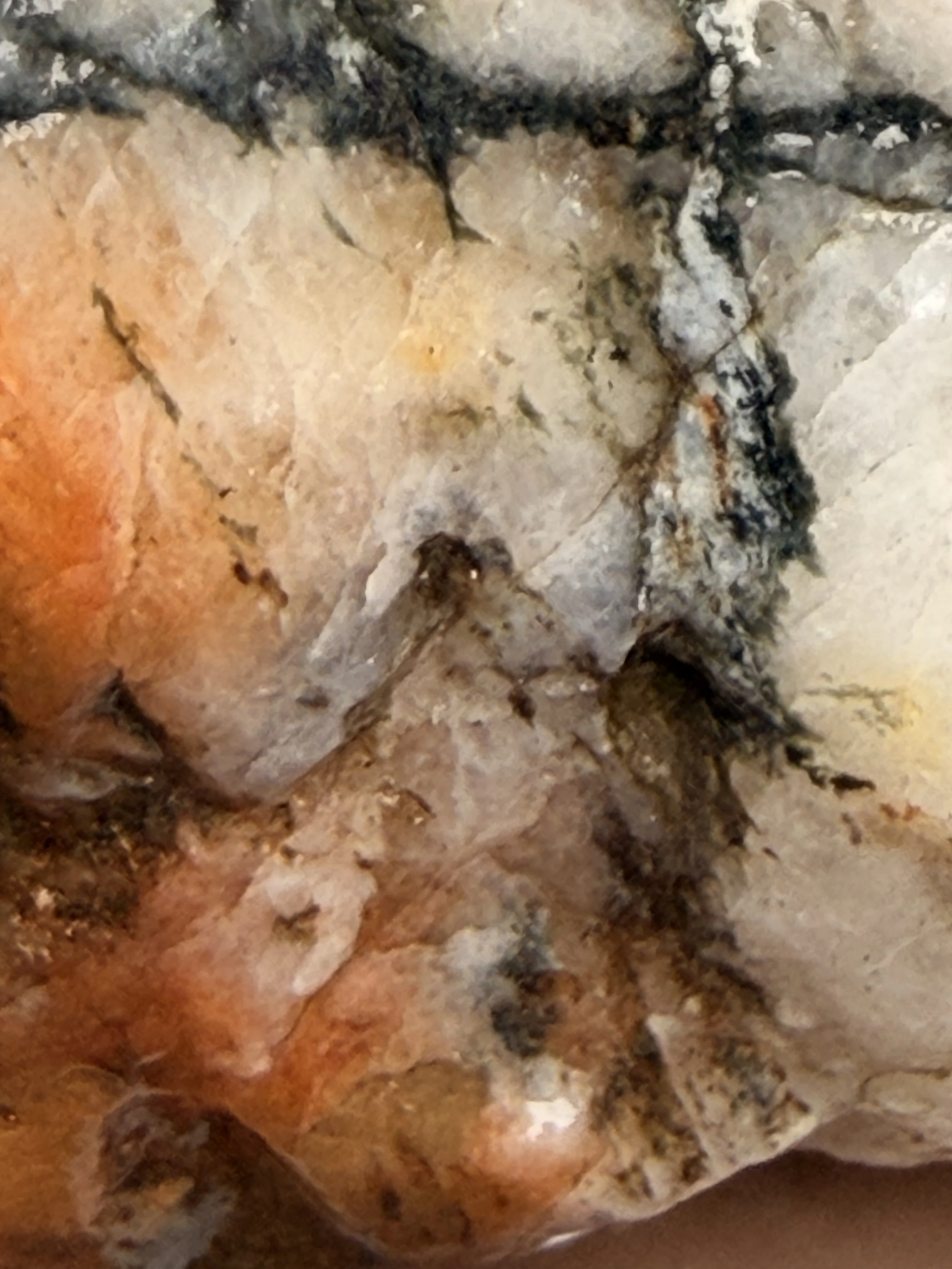 Image 4 of 6
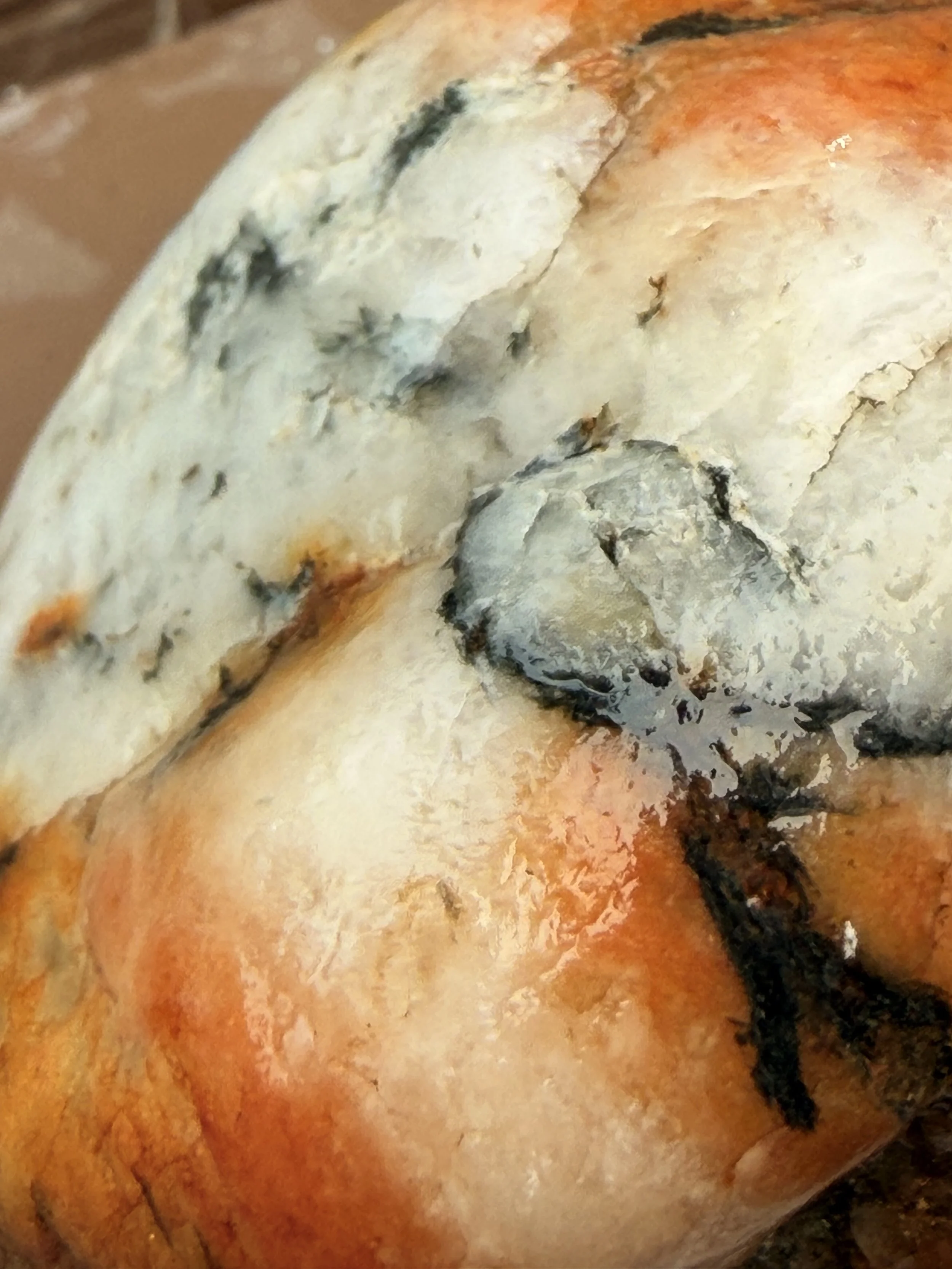 Image 5 of 6
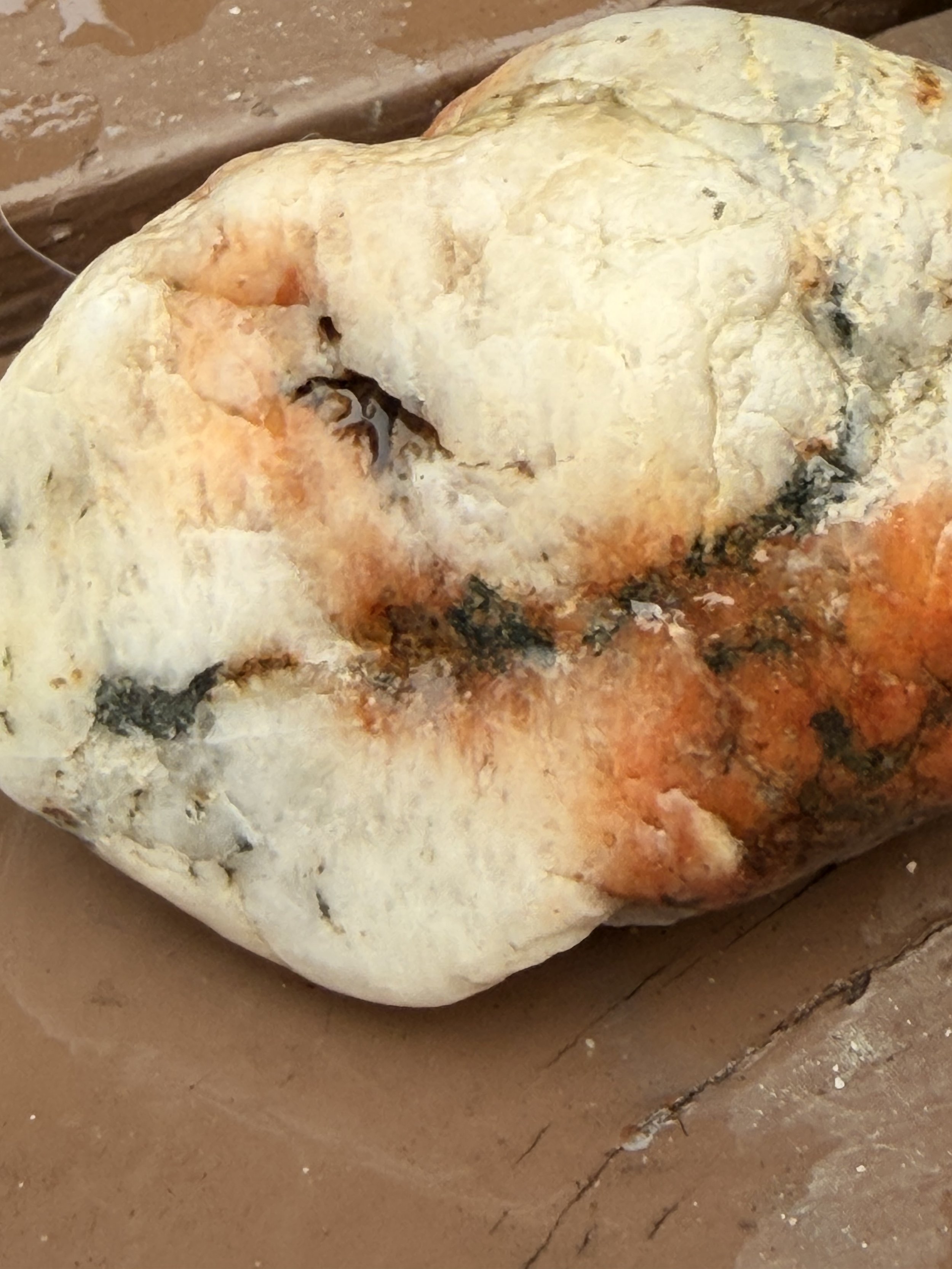 Image 6 of 6